

What’s the Cheapest Country to Visit in 2026
Last December I was sitting in my kitchen with two browser tabs open. One was a flight search for a week in Italy. The other was a flight search for three weeks in Vietnam.
The Italy trip was going to cost more than the entire Vietnam trip flights, hotels, food, the lot and that’s the moment it really hit me how differently your money behaves depending on where you point it.
I’ve been keeping a spending spreadsheet for every trip I’ve taken over the last few years (boring, I know, but it’s saved me from a lot of bad decisions). So when people ask me “what’s actually the Cheapest Country to visit right now,” I don’t just guess. I go back and check the numbers.
This isn’t going to be one of those generic “top 10 budget destinations” lists copied from ten other websites. I’m going to tell you what I’ve actually spent, what surprised me, where I overpaid like an idiot, and what I’d do differently if I were planning a cheap trip in 2026
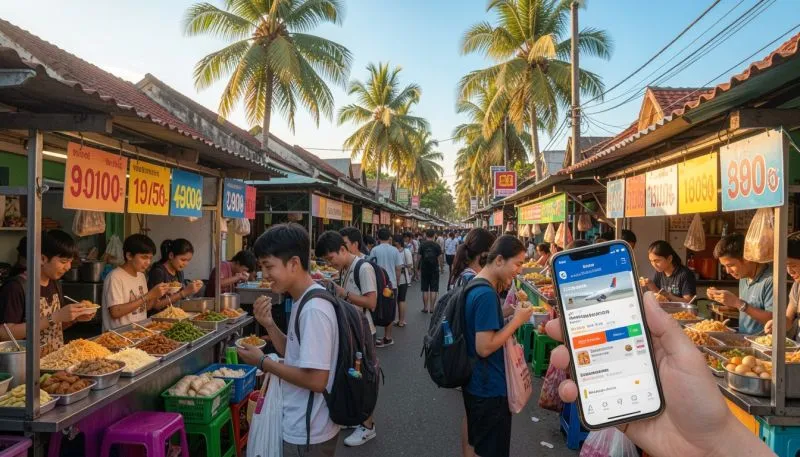
“Cheapest Country” depends on more than you think
Before I name a Cheapest Country, I need to get one thing out of the way, because it trips up almost everyone planning a budget trip.
The Cheapest Country to be in isn’t always the Cheapest Country to get to. I learned this the hard way when I got excited about how affordable Bolivia looked on paper, then found a flight from my home city that cost more than two weeks of actual travel once I landed.
Is Turkey Safe to Visit in 2026?
So really there are two separate questions:
- How much does daily life cost once you’re there (food, hotels, transport, activities)?
- How much does it cost to physically get there from where you live?
A Cheapest Country can win on the first and lose badly on the second. That’s why I always tell people to check flights first using something like Google Flights or Skyscanner with flexible dates turned on, before falling in love with a destination based on its daily budget numbers alone.
With that disclaimer out of the way, here’s where my money has actually gone the furthest.
My pick: Vietnam is still the Cheapest Country I’ve traveled to
I went to Vietnam twice once backpacking through on a tight budget, once a bit more relaxed with a partner who likes proper beds. Both times, my jaw dropped at the receipts.

Here’s roughly what a day looked like on the cheap trip:
- A bowl of pho or banh mi from a street stall: $1 to $2
- A private room in a clean guesthouse (not a dorm): $10 to $15
- A dorm bed in a hostel: $5 to $8
- A local beer at a street-side plastic stool bar: under $1
- A 30-minute Grab (their version of Uber) ride: $1.50 to $3
- An overnight sleeper bus between cities: $10 to $15
Add it up and you’re realistically looking at $25 to $35 a day if you’re not trying to save every penny, and you can comfortably go below that if you slow down and stay in one city for a week or two instead of bus-hopping every two days.
The thing that surprised me most wasn’t even the prices it was the quality. Cheap in Vietnam doesn’t mean rough. Some of the best meals of my life cost less than a bottle of water back home.
Where I lost money: changing currency at the airport. Airport exchange counters in Hanoi and Ho Chi Minh City quietly take a much worse rate than ATMs or city exchange shops. I’d pull cash from an ATM once I was in the city center instead Cheapest Country just check your home bank’s foreign transaction fee first, because some banks will quietly eat your savings with a 3% fee on every withdrawal.
Thailand Travel Cost 2026: What I Actually Spent (And What Surprised Me)
The other contenders that almost beat Vietnam
Vietnam is my top pick, but it’s not the only place where your money stretches absurdly far. Here’s how the runners-up actually compared when I crunched the numbers.
Nepal
Nepal might actually edge out Vietnam on pure daily cost, especially if you’re trekking rather than staying in Kathmandu the whole time. Teahouse lodging on the Annapurna or Everest base camp routes can run as low as $5 to $10 a night (sometimes the room is basically free if you eat your meals there), and a hearty plate of dal bhat costs $2 to $4. The catch is flights into Kathmandu aren’t always cheap, and trekking permits and gear rental add up if you’re not careful.
Indonesia
Bali gets all the Instagram attention and, frankly, has gotten pricier in the touristy areas like Canggu and Seminyak. But step outside Bali Yogyakarta, the Gili Islands, parts of Sumatra and you’re back in proper budget territory. I paid around $8 for a guesthouse room in Yogyakarta and ate amazing nasi goreng for under $2.
Georgia (the Cheapest Country, not the US state)
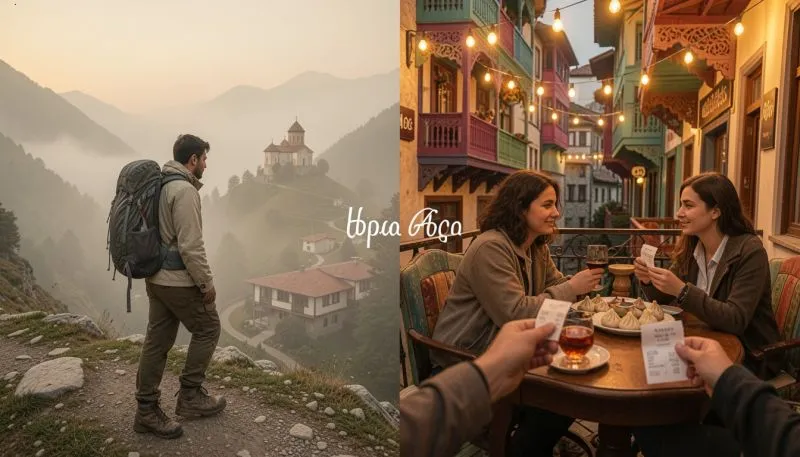
This one genuinely surprised me. Tbilisi has incredible food, wine that costs less than bottled water in some restaurants, and a guesthouse scene that’s still very Cheapest Country affordable. I spent close to $30 a day there including a few splashes on wine tastings, and that included a fair bit of comfort, not backpacker survival mode.
Albania
Albania has been getting louder buzz lately because the coastline genuinely rivals parts of Croatia and Italy at a fraction of the cost. A beach guesthouse in Albania ran me about $20 to $30 a night, with meals around $5 to $10. It’s busier than it used Cheapest Country to be in peak summer, so if you want it quieter, aim for May, June, September, or October.
Mexico
Mexico is the easiest “cheap country” for anyone in North America because flights are often cheap or even direct from a lot of US cities. Outside Tulum and the obviously touristy strips of Cancun, daily costs drop fast taco stands, mercados, and local buses make it very doable on $30 to $40 a day.
So which one is actually “the Cheapest Country”?
If I had to pick one single winner for 2026, I’d still say Vietnam, mostly because the affordability is consistent everywhere you go in the Cheapest Country, not just in one cheap region while the rest is pricey. Nepal can technically go lower per day, but it’s a more specific kind of trip (trekking-focused) rather than an all-purpose budget destination.
If your home airport has decent flight deals to South America, Bolivia is also worth a serious look there’s been talk of it dropping its visa fee for several nationalities, which would knock a real chunk off the total cost of getting in.
How I actually plan a cheap trip (step by step)
People ask me this a lot, so here’s the actual process I use, not just vague advice.
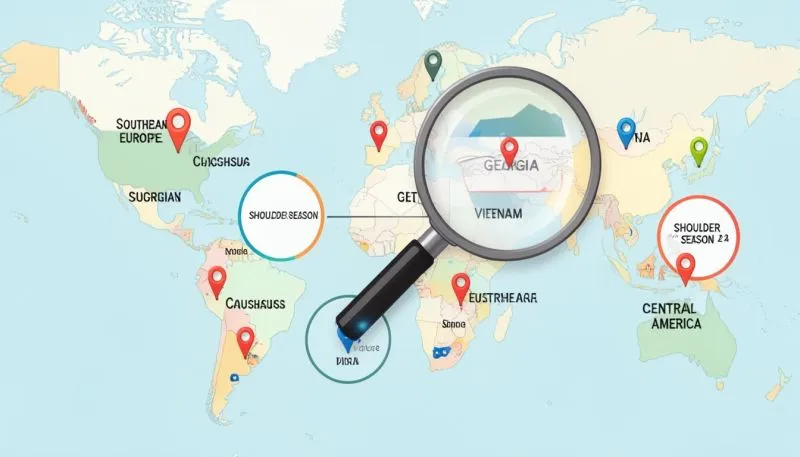
Step 1: Set a flight price alert before anything else.
I use Google Flights’ price tracking feature and just let it sit for a few weeks. Flight prices to budget destinations swing a lot, and patience alone has saved me hundreds of dollars more than once.
Step 2: Get a no-foreign-fee card or a travel card like Wise.
This single thing has probably saved me more money over the years than any other tip on this list. Withdrawing cash abroad with a card that charges 3% foreign transaction fees plus a flat ATM fee adds up brutally fast over a multi-week trip.
Step 3: Book the first night or two only.
I never book a whole trip’s accommodation in advance anymore. I book the first night or two on Booking.com or Hostelworld so I’m not wandering around lost on arrival, then I book the rest in person or a day ahead once I’ve actually seen the place and talked to other travelers about where’s good.
Step 4: Grab a local eSIM before you land.
I use Airalo now instead of hunting for a SIM card kiosk at the airport, which used to eat an hour of every arrival day. A data eSIM for most of these Cheapest Country costs $5 to $15 for a couple of weeks, and having instant maps and translation access from the moment you land is genuinely worth it.
Step 5: Use a spending tracker app from day one, not day five.
I use Trail Wallet, but honestly any basic expense app works. The point isn’t the app it’s catching the moment your spending creeps up before it’s already happened. I didn’t do this on my first big trip and ended up genuinely shocked at how much “just one more coffee” and “just one more taxi” added up to.
Step 6: Eat where the locals are actually eating.
Anywhere with English menus and photos of the food taped to the window is almost always priced for tourists. The stalls with plastic stools, no English, and a line of locals are where the real prices (and honestly the better food) are.
Adventure Travel Insurance Requirements: What I Learned the Hard Way
Mistakes I’ve made that cost me real money
I’m not going to pretend I’ve done this perfectly every time, so here’s my honest list of screwups.
I once exchanged $200 at an airport currency counter in a panic because I assumed I’d need cash immediately. The rate was so bad it basically cost me a full day’s travel budget for nothing. ATMs in the city, almost always, give a better rate.
I booked a Cheapest Country “budget” hotel in a touristy strip in Bali because the photos looked nice, only to realize the same money got a noticeably nicer private room about a fifteen-minute walk away from the main tourist road. Tourist-zone pricing is real, and it applies to lodging just as much as food.
I didn’t check whether my bank charged foreign transaction fees before a three-week trip and ended up handing over close to $60 in fees I didn’t need to pay, just from regular card swipes and withdrawals. A five-minute phone call to my bank before the trip would’ve avoided that completely.
I also underestimated how much small transport costs add up. Individually a $2 tuk-tuk ride feels like nothing, but six of those a day for three weeks turns into a real number. Walking more, or using ride apps like Grab or Bolt that show a fixed price upfront instead of negotiating with drivers, kept this in check on later trips.
A few common mistakes worth avoiding in general
A handful of patterns show up again and again with people trying to travel cheap, so it’s worth flagging them plainly.
Don’t assume “Cheapest Country” means “no need for travel insurance.” Medical costs for an emergency abroad can wipe out years of savings from cheap daily spending, even in an affordable Cheapest Country. A basic travel insurance policy is genuinely one of the few non-negotiables.
Don’t book the absolute Cheapest Country flight with a 15-hour layover without checking whether the airline allows a stopover or has a history of getting stranded passengers stuck sometimes paying $40 more avoids a genuinely miserable day of travel.

Don’t change all your money to local currency at once. Currencies fluctuate, and breaking it into a couple of withdrawals over the trip means you’re not stuck holding a pile of cash if plans change or you cross into another Cheapest Country sooner than expected.
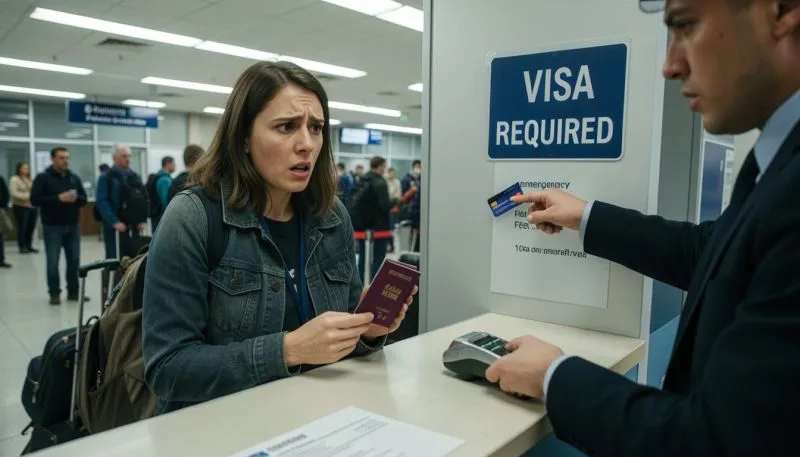
Don’t skip checking visa requirements until the last minute. Some “cheap” countries have visa-on-arrival fees that genuinely change the math a $50 visa fee on a five-day trip changes your daily average more than people expect.
Quick questions people actually ask me
Is it safe to travel somewhere this Cheapest Country?
Yes, generally. Price and safety aren’t really linked the way people assume. Vietnam, Georgia, and Albania are all places I’d happily send a solo traveler, including solo women, with normal common-sense precautions. The usual stuff applies everywhere: don’t flash valuables, keep an eye on your drink, use registered taxis or ride apps at night.
What’s the best time of year to go to keep costs even lower?
Shoulder season, basically every time. I went to Vietnam in May, just before the heaviest rains in the north, and hotel prices were noticeably lower than what friends paid visiting in December and January, which is peak season for a lot of Northern Hemisphere travelers escaping winter.
Can I really do a trip on $1,000 total, flights included?
It depends almost entirely on where you’re flying from. If you live somewhere with a direct or one-stop flight to Southeast Asia under $500, then yes, a two-week trip on $1,000 total is realistic. If your flight alone costs $1,200, the math obviously changes, which loops back to why I always say check flights before falling in love with a destination’s daily budget numbers.
Do I need to speak the local language?
Not really, though it helps in small ways. I don’t speak Vietnamese, Nepali, or Georgian, and got by fine with a translation app, a lot of pointing at menus, and the fact that people running guesthouses and street stalls in tourist-frequented areas are generally used to dealing with travelers who don’t speak the language.
The Cheapest Month to Visit Prague: A Real Traveler’s Guide to Saving Big
Final thoughts
If someone asked me right now, with zero other context, where to go for the Cheapest Country possible international trip in 2026, I’d still point them toward Vietnam first, Nepal second if they want a trekking-heavy trip, and Georgia if they want something a little less expected with genuinely excellent food and wine.
But honestly, the bigger lesson from years of tracking every dollar I spend abroad isn’t which single Cheapest Country wins. It’s that affordability comes down to habits more than destination how you book flights, how you handle your money, where you eat, and how closely you actually watch what you’re spending.
Pick almost any Cheapest Country on this list, apply the habits above, and you’ll come back having spent way less than you expected, with way better stories than the trip that cost three times as much.

Michael James is an American travel writer and Europe visa specialist with 7+ years of experience helping U.S. citizens stay longer in Europe. Through real conversations with digital nomads, retirees, and expat families, he delivers clear, no-fluff guides on the latest 2026 Schengen rules, ETIAS, and the best long-stay visas. Follow his practical advice at TravelTipHub.