

What to Pack for a 2-Week Trip
I once showed up at airport check-in with a suitcase so heavy the attendant actually laughed before she weighed it. 28 kilos. For a two-week trip to Portugal. I had packed seven pairs of shoes, a hair straightener I never plugged in, and a “just in case” rain jacket for a destination that gets maybe three rainy days a year.
That trip taught me more about packing than every “ultimate packing list” article I’d read before it combined.
Since then I’ve done probably a dozen two-week trips some backpacking through Southeast Asia, some work trips with a laptop bag glued to my shoulder, a couple of slow-travel stints in Europe where I worked remotely from a different city each week. And every single time, the packing process got a little smarter, a little lighter, and a little less stressful.
So this isn’t a generic checklist copied from a travel brochure. This is what actually works, what I got wrong, and how you can skip the painful trial-and-error part.
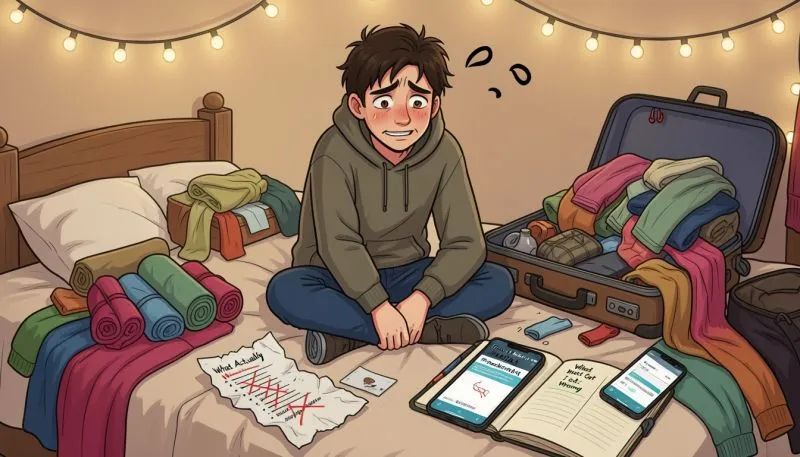
Why Two Weeks Is the Trickiest Length to Pack For
Here’s something nobody tells you: a weekend trip is easy (just throw stuff in a bag), and a month-long trip basically forces you into minimalist mode because you have no choice. But two weeks sits in this annoying middle zone.
It’s long enough that you start thinking “I’ll need a different outfit for every day,” but short enough that doing laundry feels like a hassle, so people overpack “to be safe.” That’s exactly the trap I fell into with the Portugal trip.
The fix isn’t packing more it’s packing smarter and planning for at least one laundry session.
How to Travel Cheap in Europe
Start With the Bag, Not the Clothes
Most people open their closet first and start throwing things on the bed. Wrong order. Pick your bag first, because the bag dictates how disciplined you need to be.
For two weeks, I now default to one of two setups:
- A 40-45L backpack or carry-on suitcase (I use an Osprey Farpoint 40 for backpacking trips, and a hard-shell carry-on like the Away or a Samsonite spinner for city trips). This forces discipline. If it doesn’t fit, it doesn’t come.
- One checked bag (around 23kg limit) + one carry-on, which I only do if I know I’ll be picking up gifts, gear, or work equipment along the way.
A carry-on-only two-week trip sounds impossible until you actually try it. I did it for a 14-day trip to Vietnam and Thailand and never once felt like I was missing something important. What I did miss were things I genuinely didn’t need like a third pair of jeans.
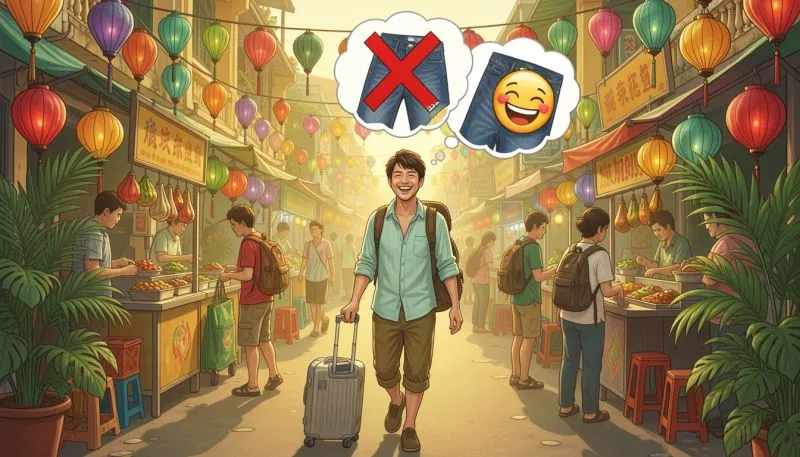
The Clothing Math That Actually Works
Here’s the formula I use now, and it’s saved me from both overpacking and underpacking:
Pack for one week, not two. Plan to do one load of laundry around day 6 or 7, either at the hotel, an Airbnb with a washer, or a local laundromat (in most of Asia and Europe, laundromats or wash-and-fold services are cheap and everywhere).
For a typical 2-week trip, this is roughly what lands in my bag now:
- 6-7 tops (mix of t-shirts and one or two slightly nicer shirts for dinners)
- 2 pairs of pants/trousers, 1 pair of shorts (or a skirt/dress if relevant)
- 7 pairs of underwear, 7 pairs of socks
- 1 light jacket or hoodie
- 1 packable rain jacket (only if the destination actually needs it check the weather first)
- 2 pairs of shoes max: one comfortable walking shoe, one “nicer” pair or sandals
- Sleepwear, swimwear if relevant
- One outfit slightly nicer than the rest, for any unexpected dinner, event, or “we got invited somewhere” moment
That’s it. That’s genuinely enough clothing for two weeks if you’re willing to rewear things (nobody on a Greek island is judging your t-shirt for being worn twice) and do one laundry run.
The Mistake Everyone Makes With Shoes
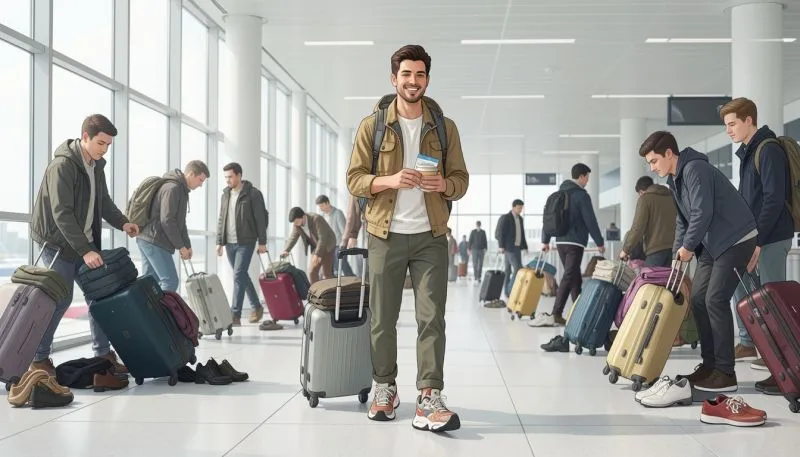
Shoes are the single heaviest, bulkiest thing in most people’s bags, and also the thing people overpack the most. I used to bring four pairs “for different occasions.” Now I bring two, max three if there’s a specific activity like hiking or swimming involved.
Wear your bulkiest pair on the plane. It saves Pack space and you avoid having to dig them out for security anyway.
Packing Cubes Changed Everything For Me
I resisted packing cubes for years because they seemed like an unnecessary gadget. Then a friend lent me a set of Eagle Creek compression cubes before a trip and I genuinely could not go back to just throwing clothes in loose.
Here’s why they actually matter:
- They compress your clothes, so you fit roughly 20-30% more in the same bag.
- You stay organized one cube for tops, one for bottoms, one for underwear/socks. No more digging through a clothing avalanche at 6am trying to find a clean shirt.
- If you get searched at security or customs, you’re not dumping your entire bag’s contents on a table.
- When you switch hotels every few days (common on a two-week multi-city trip), repacking takes five minutes instead of twenty.
You don’t need the expensive ones. Even basic compression bags or budget packing cube sets from Amazon do 90% of the job.
The Toiletries Bag: Less Is More (and TSA Rules Matter)
I used to pack full-size everything. Shampoo, conditioner, body wash, the works. Then customs in one country took my full-size deodorant because I forgot it was in my carry-on, not checked luggage, and I learned the rule the hard way.
For a 2-week trip, here’s what actually makes sense:
- Travel-size containers (GoToob or similar silicone squeeze bottles) for shampoo, conditioner, and body wash — refill them rather than buying minis every trip, it’s cheaper long term
- A solid shampoo/conditioner bar if you want to skip liquids entirely (no spill risk, no TSA liquid limit issues)
- Toothbrush, toothpaste (travel size), floss
- Deodorant
- Sunscreen — buy travel size, don’t bring the giant bottle
- A small first-aid kit: band-aids, any prescription meds in original packaging, pain relievers, motion sickness tablets if you’re prone to it, anti-diarrheal medication (trust me on this one)
- Hand sanitizer, a couple of face masks if you’re heading somewhere with poor air quality or crowded transit
If you’re flying, remember the 100ml/3.4oz liquid rule for carry-ons. Pack liquids in a clear quart-size bag. I still see people get stopped at security because they forgot their hand sanitizer is technically a liquid.
Tech and Gadgets: The Tech-Blogger Part
This is where I probably overthink things compared to most travelers, but it’s also saved me from real headaches on past trips.
The International Travel Packing List I Wish Someone Had Given
Things I never travel without anymore:
- A universal travel adapter I use one with USB-A and USB-C ports built in, so I’m not juggling six different cables and a separate adapter. Learned this after frying nothing but wasting an hour in an airport store in Lisbon because I forgot Portugal uses a different plug than the UK.
- A power bank (10,000mAh minimum, I use an Anker one). Long travel days, layovers, and city walking drain phones fast, and not every cafe has an outlet free.
- An e-reader (Kindle Paperwhite) instead of physical books saves a huge amount of weight if you’re a reader. I used to pack three paperbacks “just in case.” Never again.
- Noise-cancelling earbuds or headphones genuinely makes long flights and noisy hostels bearable. Doesn’t need to be the $300 version; mid-range works fine.
- A small unlocked phone with a local SIM or eSIM services like Airalo let you buy a data eSIM for your destination before you even land, so you’re not stuck hunting for WiFi or paying outrageous roaming fees.
- Cables, charger, and a small pouch to keep them all together I use a simple zippered tech pouch so cables don’t end up tangled with my socks.
Things I learned to leave behind: a laptop, unless you’re actually working remotely. A tablet AND a laptop AND a Kindle is redundant pick one or two max. A DSLR camera with three lenses, when your phone camera is genuinely good enough for 95% of travel photos these days, unless photography is the actual point of the trip.
Documents and Money The Boring Stuff That Ruins Trips When Ignored
This part isn’t exciting, but it’s the part that actually causes disasters when skipped.
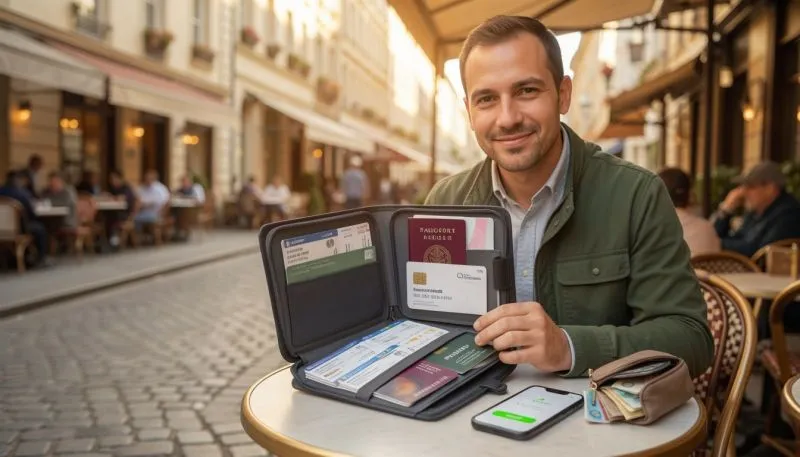
- Passport with at least 6 months validity left (many countries require this)
- Printed and digital copies of your passport, ID, travel insurance, and visa if needed I keep photos of everything in a secure note app, plus a printed copy in a separate bag from my actual passport
- Travel insurance confirmation don’t skip this. I once needed a clinic visit in Bali for a minor infection and insurance covered it entirely. Without it, that bill would’ve been brutal.
- A couple of different payment methods one main travel card (something like a Wise or Revolut card with low foreign transaction fees), a backup card stored separately from your wallet, and a small amount of local cash for places that don’t take cards
- Any required vaccination certificates if your destination needs them
A trick I picked up: keep one backup card and a stash of emergency cash in your packing cube, not your wallet. If your wallet gets lost or stolen, you’re not completely stranded.
Thailand Travel Cost 2026
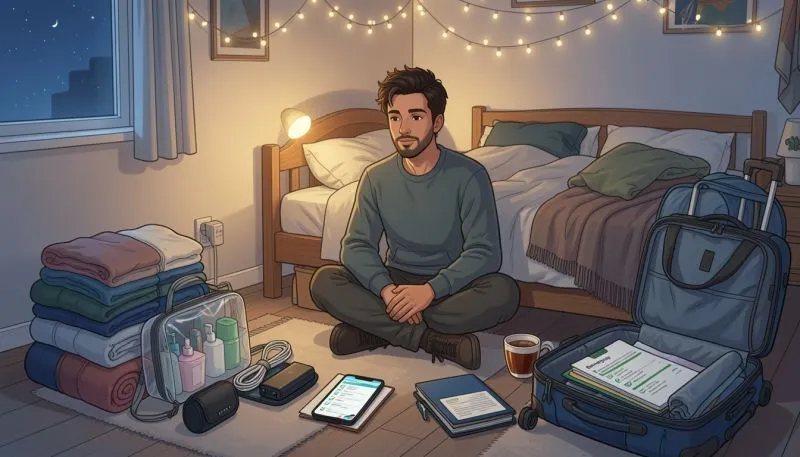
Step-by-Step: How I Actually Pack the Night Before
If you want a repeatable process instead of just a list, here’s the order I follow every time now:
- Check the actual weather forecast for your destination for those two weeks, not just the “average climate” this changes what jacket or shoes you bring.
- Lay everything out on the bed first before it goes in the bag. This is the single best trick for catching duplicates and gaps.
- Pack heaviest items first, at the bottom near the wheels or spine of the bag (shoes, toiletry bag).
- Roll, don’t fold, clothes into packing cubes rolling saves more space and reduces wrinkles.
- Fill gaps with small items socks inside shoes, charging cables in shoe gaps, etc.
- Pack your “first day” outfit and essentials near the top in case you land tired and don’t want to dig through the whole bag.
- Weigh the bag before you leave the house if you’re checking it, so there’s no surprise at the counter.
- Keep a small day bag or tote packed inside your main bag useful for day trips, the beach, or as an extra carry item on the flight home if you buy souvenirs.
Common Mistakes I See (and Made) Constantly
Packing for “every possible scenario.” You don’t need an outfit for every conceivable weather condition and event. You need enough flexible basics that work together, plus a plan to do laundry.
Buying a bunch of new travel-specific clothes right before the trip. Half the time these don’t even fit how you expected, and you end up wearing the same two old t-shirts you’ve always loved anyway. Test new items at home first.
How to Use Google Maps Offline While Traveling (Without Getting Lost Like I Did)
Forgetting medications in checked luggage. Always keep prescription meds, glasses, and anything you genuinely cannot replace easily in your carry-on, never checked bags. Lost luggage happens more than people think.
Not leaving any extra space. You will buy things. A market find, a gift, a bottle of something local. Leave 10-15% of your bag’s capacity empty, or pack a foldable extra tote bag for the trip home.
Overpacking electronics. Multiple chargers for the same device, a backup phone you never use, a tablet that just duplicates your phone these add weight for almost zero benefit.
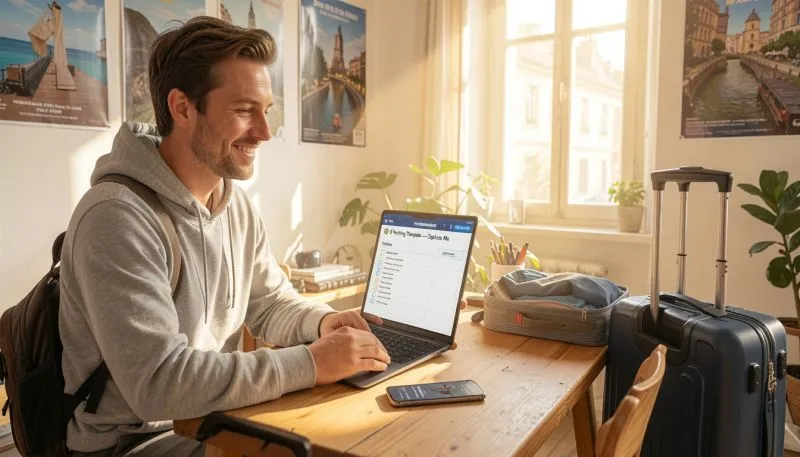
Skipping a packing list app or note. I use a simple checklist in Notion now, duplicated from trip to trip and adjusted for climate. Apps like PackPoint or even a basic Google Keep checklist work just as well — the point is having a reusable template so you’re not rebuilding the wheel every single trip.
A Quick Real Example: My Vietnam and Thailand Packing List
Since examples help more than abstract advice, here’s roughly what was in my 40L carry-on backpack for a 14-day trip covering humid cities, a few beach days, and one overnight train:
- 6 breathable t-shirts, 1 linen shirt for evenings
- 2 pairs of lightweight trousers, 1 pair of shorts, 1 swimsuit
- 7 underwear, 6 socks (wore sandals most days, fewer socks needed)
- 1 packable rain jacket (it’s monsoon-adjacent season)
- Sandals + one pair of trainers
- Toiletry bag with solid shampoo bar, travel toothpaste, sunscreen, bug spray (non-negotiable in that region), basic first aid kit
- Tech pouch: phone, Kindle, power bank, universal adapter, earbuds, all cables
- Documents pouch: passport, printed insurance copy, two cards, small cash stash
- A packable tote bag that folded down to nothing, used constantly for markets and beach days
Total bag weight: around 9kg. Comfortable, no checked bag fees, no waiting at baggage carousels, no overpacking regret.
Final Thoughts
Packing for two weeks isn’t really about cramming in more stuff it’s about figuring out what you’ll actually use and trusting that laundromats, local shops, and your own adaptability will cover the rest. Every “just in case” item I’ve ever regretted bringing made my bag heavier without making the trip better.
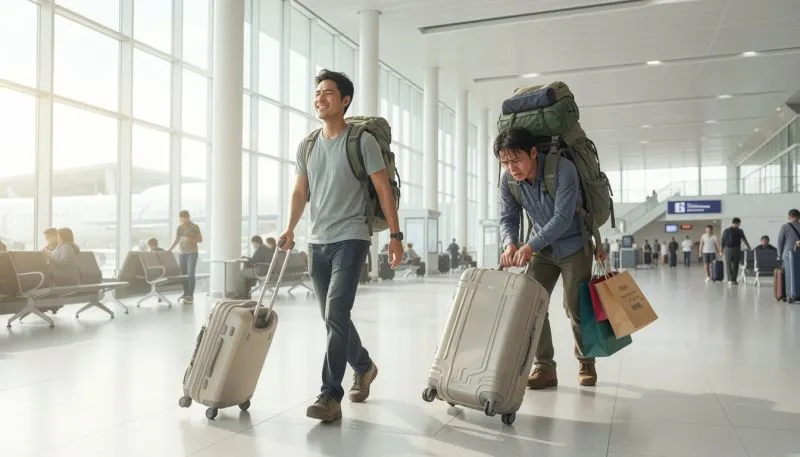
The version of you that packs light isn’t missing out. They’re the one walking through the airport without sweating through their shirt, finding things easily, and not paying $75 in overweight baggage fees because of a hair straightener they never used.
Pack the basics, plan one laundry day, leave a little room for the unexpected, and you’ll be fine probably better off than the person next to you wheeling around a suitcase that weighs more than their carry-on backpack and their personal item combined.

Michael James is an American travel writer and Europe visa specialist with 7+ years of experience helping U.S. citizens stay longer in Europe. Through real conversations with digital nomads, retirees, and expat families, he delivers clear, no-fluff guides on the latest 2026 Schengen rules, ETIAS, and the best long-stay visas. Follow his practical advice at TravelTipHub.