

Eastern Europe Travel Guide
Eastern Europe has quietly become one of the most rewarding travel destinations in the world, and 2026 is a great time to explore this vibrant region. From the medieval streets of Krakow to the thermal baths of Budapest, Eastern Europe offers an incredible blend of history, culture, affordability, and genuine hospitality that’s hard to match anywhere else on the continent.
So what makes Eastern Europe so special right now?
Simply put, it hits the sweet spot between authentic travel experiences and reasonable costs. Unlike Western European cities where tourist prices can drain your wallet fast, Eastern Europe lets you enjoy world-class attractions without the premium price tag. Think gourmet dinners for under $10, centuries-old landmarks with no crowds, charming boutique hotels, and real local culture all without stretching your budget.
The region has been getting well-deserved attention lately. Tourism infrastructure has improved significantly over the past few years, international flight connections have expanded, and locals have built a genuine reputation for hospitality. Whether you’re a solo backpacker, a couple planning a romantic getaway, or a family looking for a history-rich vacation, Eastern Europe delivers.
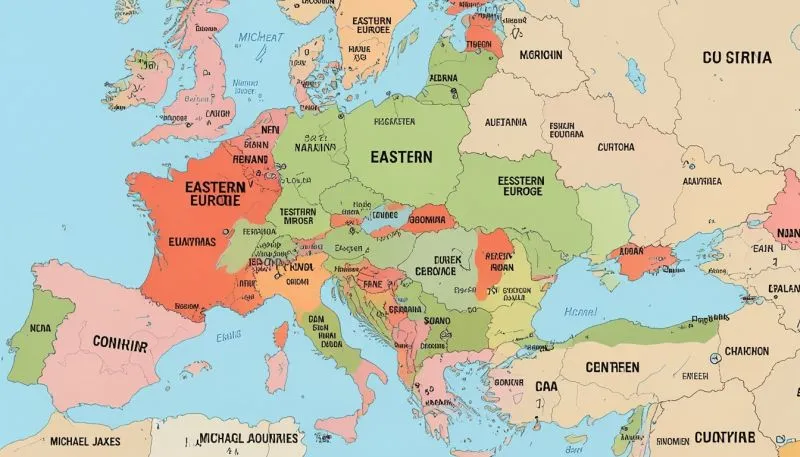
Eastern Europe Countries
Countries like Poland, Hungary, the Czech Republic, Slovakia, Croatia, and Romania have developed tourism that actually works for visitors and for local communities alike. When you travel here, you’re not just checking off landmarks. You’re stepping into living, breathing cities with thousands of years of history, and supporting the local businesses, artisans, and families who make these places worth visiting in the first place.
Top Eastern European Destinations for 2026
Eastern Europe is packed with incredible places to visit, but not every destination offers the same experience. Some cities are better for history buffs, others for nightlife, food, or pure scenery. To help you plan smarter, we’ve broken down the standout destinations worth your time and money in 2026 each one offering something genuinely different from the last.
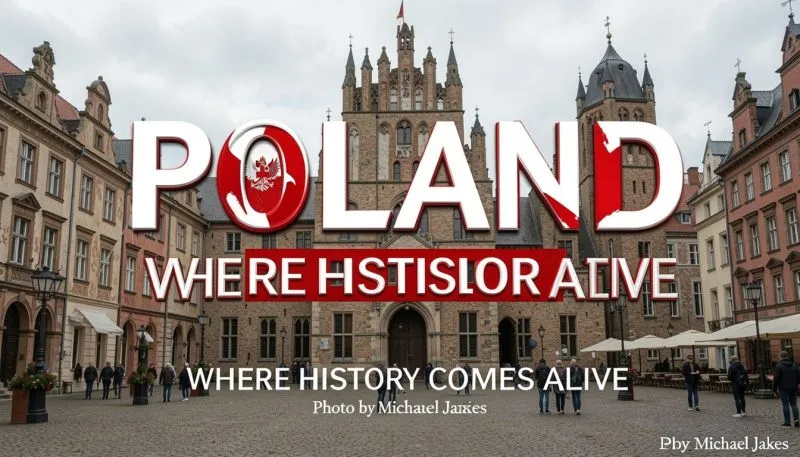
Poland: Where History Comes Alive
Poland has become one of Eastern Europe’s most dynamic destinations, steadily gaining popularity among international travelers and it’s easy to see why.
Krakow is the cultural heart of the country and an absolute must-visit. Walking through the medieval Old Town feels like stepping back in time, while the historic Jewish Quarter carries powerful stories of resilience that stay with you long after you leave.
Is JetBlue Airways Good in 2026
The Main Market Square one of the largest medieval squares in Europe anchors the city, with St. Mary’s Basilica standing at its center. Every hour, a trumpet call rings out from the basilica tower, a tradition dating back to the 13th century.
World War II
Warsaw, the capital, tells a different story. Heavily destroyed during World War II and rebuilt from the ground up, the city has reinvented itself into a modern, forward-looking metropolis that hasn’t forgotten its past.
The Warsaw Uprising Museum ranks among the most powerful museum experiences in Europe, while the Palace of Culture and Science offers sweeping city views from its observation deck. The food scene is thriving, the nightlife is lively, and the energy here is unlike anywhere else in the country.
Poland’s coastline and countryside are equally impressive. Gdansk, on the Baltic coast, features a meticulously restored colorful waterfront that’s among the most photogenic spots in the region. The Tatra Mountains in the south offer hiking trails for every fitness level in summer and solid snow sports in winter.
On the budget side, Poland delivers real value. Expect to pay $5–8 for a solid meal, $20–30 per night for quality accommodation, and free entry at many cultural sites. English is widely spoken among younger locals, the craft beer scene is excellent, and the coffee culture has grown into something genuinely impressive.
Hungary: Thermal Baths and Timeless Beauty
Hungary offers a travel experience that’s hard to categorize part relaxation, part history, part culinary adventure. Budapest, often called the “Pearl of the Danube,” is one of Europe’s most visually stunning capitals, holding its own against Vienna and Prague in terms of architecture and atmosphere.
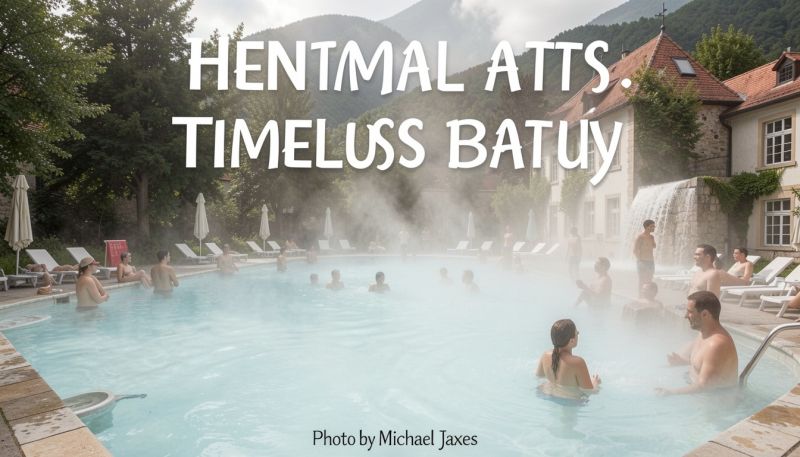
The city’s thermal baths are the main draw for many visitors, and rightfully so. Soaking in naturally heated mineral water while surrounded by grand 19th-century architecture is an experience unique to Budapest. The Széchenyi Thermal Bath is the most iconic its ornate Neo-Baroque exterior and steaming outdoor pools make it one of the most photographed spots in the country, and one of the most enjoyable.
Parliament Building
he Danube River runs through the heart of the city, dividing it into two distinct sides. On the Buda side, you’ll find hilltop castles, sweeping panoramic views from Fisherman’s Bastion, and quieter neighborhoods that feel worlds away from the tourist center. On the Pest side, the energy picks up grand boulevards, café culture, ruin bars, and the iconic Parliament Building, one of the most architecturally impressive government buildings in all of Europe.
Hungarian Food
Hungarian food deserves far more international attention than it gets. Goulash is the obvious starting point, but the cuisine runs much deeper rich stews, smoked meats, fresh market produce, and pastry shops that rival anything in Vienna.
Pair your meals with local wine, and you’ll quickly discover that Hungary’s wine regions are seriously underrated. Eger and Tokaj produce wines with centuries of tradition behind them, available for tasting directly from the barrel in atmospheric underground cellars.
Outside Budapest, Lake Balaton Central Europe‘s largest freshwater lake offers a completely different pace. Beach towns, waterside restaurants, cycling paths, and wine country surround the lake, making it a great add-on for anyone with extra days to spare. The town of Eger itself is worth a dedicated day trip for its Baroque architecture and laid-back charm.
Czech Republic: Fairy Tales and Modern Cool
Prague earns its nickname the “City of a Hundred Spires” the moment you see it from above.
- The skyline is unlike anything else in Europe: a dense collection of Gothic towers, Baroque domes, and medieval rooftops stretching in every direction. Walking across Charles Bridge at dawn, before the crowds arrive, with Prague Castle looming in the background, is one of those travel moments that stays with you.
The Old Town Square is the city’s beating heart. The astronomical clock, installed in 1410, still draws crowds every hour for its mechanical display a tradition that’s been running for over 600 years. It sounds like a tourist trap, but standing there when the clock strikes the hour is genuinely worth it.
What Changed? Royal Caribbean 2026 Alaska Glacier Cruises – Full Update for Passengers
Fairy Tales and Modern Cool
What surprises a lot of first-time visitors is how vibrant Prague’s contemporary culture is. The craft beer scene has exploded over the past decade, with local breweries pushing well beyond the classic Czech lager into creative and experimental styles.
Live music venues range from intimate jazz clubs to full-scale classical concert halls. The restaurant scene has evolved too modern Czech cuisine sits comfortably alongside traditional pubs where a half-liter of quality draft beer still costs under $2.
Speaking of beer Czech lagers have a global reputation for good reason. Crisp, well-balanced, and brewed using techniques refined over 500 years, they’re best enjoyed fresh and local. Many breweries around the country offer tours that walk you through the full process, from grain to glass.

Outside the capital, the Czech countryside punches well above its weight. Český Krumlov is one of Central Europe’s best-preserved medieval towns a UNESCO-listed village wrapped around a dramatic river bend, with a castle perched above it all.
It works perfectly as a day trip from Prague or an overnight stay if you want a slower pace. Karlovy Vary, to the west, offers a completely different vibe: elegant spa architecture, mineral spring promenades, and the famous Becherovka herbal liqueur, which was first produced here in the early 1800s.
Croatia: Adriatic Coast Dreams
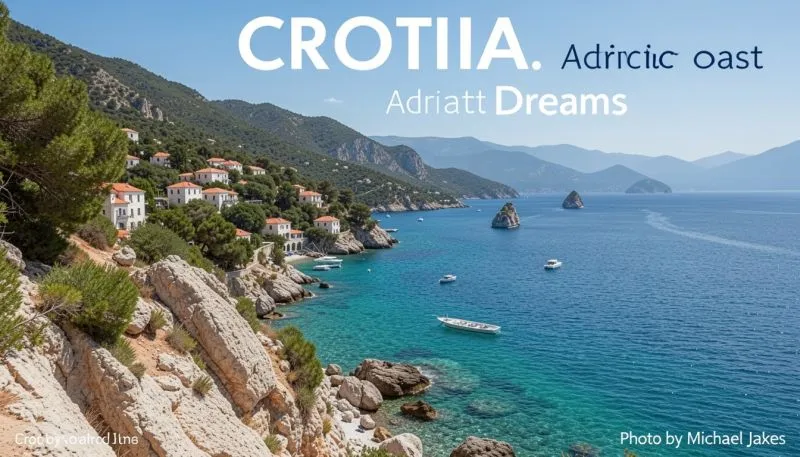
Croatia has firmly established itself as one of Europe’s most sought-after destinations, and the appeal is immediately obvious. The Adriatic coastline is genuinely spectacular turquoise water so clear you can see the seabed from a boat, dramatic limestone cliffs dropping straight into the sea, and medieval coastal towns that look like they haven’t changed in centuries.
Dubrovnik is the obvious starting point, and despite its fame and summer crowds, it still delivers. The marble-paved streets, intact medieval walls, and terracotta rooftops create a streetscape that feels almost too perfect to be real.
Walking the city walls at sunset with the Adriatic on one side and the old city on the other remains one of the most memorable experiences the Adriatic coast has to offer. If crowds are a concern, visit in May or October when the city breathes a little easier.
Diocletian’s Palace
Split offers something different and arguably more authentic. Diocletian’s Palace, built in the 4th century as a Roman emperor’s retirement residence, didn’t become a museum it became a neighborhood. Today, locals live in apartments built into ancient walls, restaurants operate inside Roman cellars, and street markets run
Through corridors that are nearly 2,000 years old. It’s living history in the most literal sense.
The Dalmatian Islands are worth every bit of effort it takes to reach them. Hvar draws a lively crowd with its nightlife and lavender fields. Korčula is quieter, greener, and claimed by some to be the birthplace of Marco Polo. Vis, the furthest island from the mainland, remains the least developed and arguably the most beautiful, with excellent local wine and some of the clearest water in the Mediterranean.
Knowmore: Best Kids Travel Bags for Stress-Free Family Road Trips
Inland, Plitvice Lakes National Park is Croatia’s crown jewel for nature lovers. Sixteen interconnected lakes cascade into each other through a series of waterfalls, surrounded by dense forest. It’s one of the most visited natural attractions in Southeast Europe, and the crowds are justified the scenery is genuinely extraordinary.
Up in Istria, the coastal town of Rovinj feels more Italian than Croatian colorful harbor-side buildings, narrow cobblestone lanes, and a cuisine built around truffles, hand-rolled pasta, and exceptional local wines. Istrian truffles, harvested from the forests inland, rival those from Italy’s Piedmont in quality and are available at a fraction of the price.
Yeh table ka content achha hai lekin formatting messy hai colon aur parentheses inconsistent hain, aur Croatia do baar list mein hai. Improved version:
Eastern Europe at a Glance: 2026 Destination Comparison
| Destination | Best For | Daily Budget (USD) | Best Time to Visit | Must-See |
|---|---|---|---|---|
| Poland | History & Culture | $40–60 | May–Sep, Dec | Krakow Old Town, Warsaw Uprising Museum |
| Hungary | Relaxation & Romance | $45–70 | May–Sep, Dec | Budapest Thermal Baths, Parliament Building |
| Czech Republic | Architecture & Nightlife | $45–65 | Apr–Oct | Prague Castle, Český Krumlov |
| Croatia | Coastal Beauty | $50–80 | May–Sep | Dubrovnik Old City, Plitvice Lakes |
| Slovakia | Nature & Mountains | $35–55 | Jun–Sep | High Tatras, Bratislava Old Town |
Cost Breakdown: What Does an Eastern Europe Trip Actually Cost in 2026?
One of the strongest reasons to choose Eastern Europe over Western Europe right now is straightforward: you get significantly more for your money. Here’s a realistic, up-to-date breakdown of what to expect across different travel styles.
| Expense Category | Budget Traveler (per day) | Mid-Range Traveler (per day) |
|---|---|---|
| Accommodation | $15–25 | $35–60 |
| Meals & Food | $8–15 | $20–35 |
| Local Transportation | $2–5 | $5–10 |
| Activities & Attractions | $10–20 | $30–50 |
| Drinks & Nightlife | $5–10 | $15–25 |
| Miscellaneous | $5–10 | $10–15 |
| Daily Total | $45–85 | $115–195 |
| Weekly Total | $315–595 | $805–1,365 |
A Few Things Worth Knowing Before You Budget
Not every country in the region costs the same. Poland, Slovakia, and the Czech Republic tend to run cheaper than Croatia or Hungary, particularly during summer. If you’re watching your spending, routing your trip through these countries first gives you more flexibility later.
Peak season roughly July through August pushes prices up by around 20–30% across the board, especially for accommodation. Even so, Eastern Europe in peak season is still considerably more affordable than Western European destinations at any time of year.
For longer stays, apartment rentals become a genuinely smart option. Monthly or weekly rentals typically run 30–40% less per night than equivalent hotel stays, and they give you access to a kitchen, which cuts food costs significantly.
Planning a two-week trip?
Budget travelers should set aside $630–$1,190 total, while mid-range travelers should plan for $1,610–$2,730. These figures assume solo travel or two people sharing costs. Families and small groups traveling together — sharing vacation apartments and splitting meals can reduce these per-person numbers further.
Pros & Cons: Is Eastern Europe Right for You?
Eastern Europe isn’t for everyone and that’s okay. Here’s an honest look at what the region does exceptionally well and where it falls short, so you can decide if it matches your travel style before you book anything.
| ✅ Reasons to Go | ⚠️ Things to Consider |
|---|---|
| Exceptional value for money | Language barriers outside major cities |
| Rich history and culture at every turn | Winters are cold — plan accordingly |
| Warm and welcoming locals | Some infrastructure still developing |
| Affordable, quality accommodation | Less beach culture than Mediterranean |
| Delicious, authentic cuisine | Fewer English-friendly signs in rural areas |
| Stunning architecture and landscapes | Weather in March–April can be unpredictable |
| Thriving food and coffee scenes | Fewer direct flights from North America |
| Affordable dining and nightlife | Peak season crowds in popular cities |
The Bottom Line
If you’re looking for authentic travel experiences, strong historical depth, and genuine value for money, Eastern Europe is hard to beat in 2026. The challenges listed above are real but manageable a translation app handles most language barriers, budget airlines have expanded regional connections significantly, and traveling in shoulder season (May or October) eliminates most crowd-related frustrations.
Where Eastern Europe may not be the right fit is if your priority is beach relaxation, guaranteed warm weather, or seamless English-language navigation throughout your entire trip. For those needs, Southern Europe or Southeast Asia might be a better match.
But if you’re open to a little spontaneity and want a trip that genuinely surprises you Eastern Europe consistently delivers.
Practical Travel Tips for Eastern Europe in 2026
Good planning makes the difference between a stressful trip and a genuinely great one. Here’s what actually works when traveling through Eastern Europe from booking your first flight to getting around once you’re there.
Getting There
Flights to Eastern Europe have become more accessible and affordable over the past few years, with more carriers and routes than ever before. For international flights, booking 6–8 weeks in advance typically gets you the best fares. If you’re flexible on dates, mid-week departures often run cheaper than weekend travel.
The three strongest entry points are Warsaw, Budapest, and Prague these airports handle the most international traffic, offer the most competitive pricing, and connect easily to the rest of the region. Flying into one of these hubs and using ground transportation from there is almost always more economical than trying to fly directly into smaller cities.
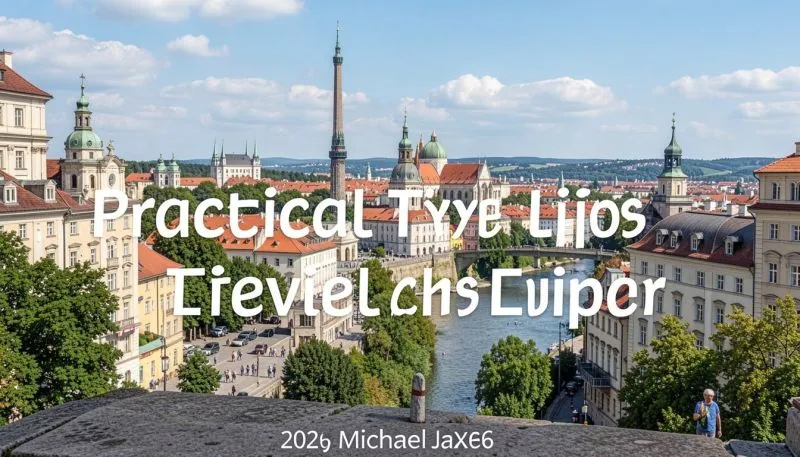
Budget carriers like Ryanair, Wizz Air, and LOT Polish Airlines serve Eastern Europe extensively, but go in with realistic expectations. Carry-on bag fees, strict size limits, and no-frills service are standard. Factor these extras into your total cost before assuming you’ve found a deal.
Getting Around
Once you’re in the region, ground transportation is where Eastern Europe really shines. Bus and train connections between major cities are reliable, frequent, and remarkably cheap a ticket between cities typically runs $5–15, making multi-country itineraries genuinely feasible on almost any budget.
A popular and practical route for first-timers: fly into Prague or Budapest, spend a few days exploring, then travel by bus or train through neighboring countries. This approach saves money, reduces travel stress, and gives you a much better feel for the region than hopping between airports.
Best Time to Visit Eastern Europe
Timing your trip right can make a significant difference both in cost and experience. Here’s a season-by-season breakdown of what to expect.
Summer (June–August) Summer delivers the best weather and the longest days, but it comes with tradeoffs. Major attractions in Prague, Dubrovnik, and Budapest can feel genuinely overcrowded in July and August, and accommodation prices spike accordingly. If summer is your only option, book accommodation well in advance and plan to visit popular sites early in the morning before tour groups arrive.
Spring (April–May) One of the best windows to visit. Weather is pleasant, flowers are out, and crowds haven’t arrived yet. Accommodation rates are reasonable, and you’ll have a much more relaxed experience at major landmarks. Early May in particular hits a sweet spot warm enough to enjoy outdoor cafés and walking tours without the summer heat or crowds.
Fall (September–October) Late September through early October may be the single best time to visit Eastern Europe. Summer crowds have cleared out, prices have dropped back to normal, and the weather remains genuinely comfortable. The light is softer, the colors are richer, and cities like Prague and Krakow take on a quieter, more atmospheric character that summer visitors rarely get to experience.
Winter (December–February) Winter in Eastern Europe is underrated. Christmas markets in Prague, Budapest, Krakow, and Warsaw are among the best in Europe well-organized, atmospheric, and far less commercialized than their Western European counterparts.
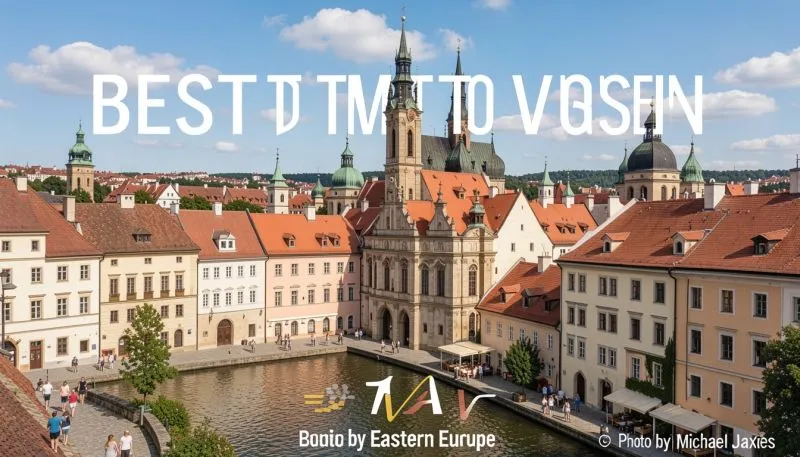
Prices drop significantly, attractions are uncrowded, and the snow-dusted architecture is genuinely stunning. New Year’s Eve in cities like Prague and Budapest draws large celebrations worth planning around. The tradeoff is short daylight hours and cold temperatures, so pack accordingly.
Quick Reference
| Season | Weather | Crowds | Budget Impact |
|---|---|---|---|
| Summer (Jun–Aug) | Hot & sunny | Very high | +20–30% above base |
| Spring (Apr–May) | Mild & pleasant | Low–moderate | Base rates |
| Fall (Sep–Oct) | Warm & comfortable | Low | Base rates |
| Winter (Dec–Feb) | Cold, often snowy | Low (except holidays) | 15–25% below base |
Currency and Money in Eastern Europe
Eastern Europe isn’t a single-currency region, which catches some travelers off guard. Here’s what you’re working with:
- Poland Polish Złoty (PLN)
- Hungary Hungarian Forint (HUF)
- Czech Republic Czech Koruna (CZK)
- Croatia, Slovenia, Slovakia Euro (EUR)
Having a basic awareness of each country’s currency before you arrive saves confusion at checkouts and helps you quickly judge whether a price is reasonable.
ATMs vs. Currency Exchange
The single most important money tip for Eastern Europe: use ATMs, not airport exchange counters. Airport exchanges typically offer rates 10–15% worse than what you’d get from a local bank ATM. That gap adds up quickly over a two-week trip.
When using ATMs, stick to machines operated by established local banks rather than standalone tourist-area kiosks. If an ATM asks whether you’d like to be charged in your home currency or the local currency, always choose the local currency the so-called “dynamic currency conversion” option almost always works against you.
Notify your bank before departure that you’ll be traveling internationally. Skipping this step is one of the most common reasons travelers find their cards blocked mid-trip.
Cash vs. Cards
Credit and debit cards are widely accepted at hotels, larger restaurants, and most retail shops. However, smaller family-run restaurants, local markets, and rural services frequently operate cash-only. Carrying a reasonable amount of local cash at all times enough for a meal or two is the safest approach throughout the region.
Frequently Asked Questions About Eastern Europe Travel
Is Eastern Europe safe for tourists?
Generally speaking, yes. Major destinations like Prague, Budapest, and Krakow have strong safety records that compare favorably with most Western European cities. Violent crime against tourists is rare.
The more realistic concern is petty theft pickpocketing in crowded tourist areas, busy markets, and public transit. Standard precautions apply: keep valuables out of sight, use inner pockets or a money belt in busy areas, and stay aware of your surroundings in unfamiliar neighborhoods at night.
Police presence is visible in most major tourist areas, and emergency services are easy to reach. Many travelers come away feeling that Eastern European cities felt safer and more relaxed than they expected.
Do I need a visa to visit Eastern Europe?
It depends on your passport. Here’s a quick breakdown:
| Nationality | Visa Situation |
|---|---|
| US & Canadian citizens | 90 days visa-free in the Schengen Area |
| UK citizens | 90 days visa-free (post-Brexit terms) |
| Australian & New Zealand citizens | 90 days visa-free in the Schengen Area |
| EU & EEA citizens | ID card sufficient — no passport required |
| Other nationalities | Check with individual country embassies |
The Schengen Area covers the Czech Republic, Hungary, Slovakia, and several other Eastern European countries. Croatia joined Schengen in 2023. Non-EU citizens should carry their passport at all times, as border checks do occur. Always verify current entry requirements with your country’s embassy before traveling rules can and do change.
What’s the best way to get around multiple countries?
Buses and trains are the backbone of budget travel through Eastern Europe. FlixBus operates across the region with fares often running €5–15 between cities hard to beat for the price. Trains are reliable on most major routes, comfortable, and often scenic. Night buses and overnight trains are worth considering for longer legs you cover ground while sleeping and save on one night’s accommodation.
For extensive rail travel, Eurail passes can offer good value depending on your route. Flying between distant cities is sometimes competitive on price, but factor in airport transfer time and baggage fees before assuming it’s faster or cheaper.
The most efficient approach is to plan a logical geographic route moving roughly west to east or north to south rather than zigzagging between countries, which wastes time and adds unnecessary transport costs.
What languages will I encounter?
English is widely spoken in major cities, particularly among younger people working in tourism, hospitality, and retail. Outside city centers and in rural areas, English proficiency drops significantly. Older locals may speak German or Russian as a second language, depending on the country and their background.
A few basic phrases in the local language hello, thank you, how much go a long way. Locals across the region consistently appreciate the effort, even when the pronunciation isn’t perfect. Google Translate with offline language packs downloaded before your trip handles most practical communication needs in smaller towns.
When Are the Best Prices for Flights?
Booking 6–8 weeks in advance works well for most international routes into Eastern Europe. For timing within the week, Tuesday through Thursday departures consistently run cheaper than Friday or weekend flights. Early morning and late-night departures also tend to be priced lower than midday options.
Set up price alerts on Google Flights or Skyscanner both tools track fare changes over time and notify you when prices drop on your target route. Flexibility on exact dates, even by a day or two, can make a meaningful difference. School holidays and major public holidays are worth avoiding if budget is a priority, as fares spike noticeably during these windows.
Is Travel Insurance Necessary?
Yes — and this isn’t worth skipping. A comprehensive travel insurance policy typically costs $2–5 per day and covers flight cancellations, medical emergencies, lost luggage, and trip disruptions. Emergency medical evacuation alone can run into tens of thousands of dollars without coverage.
EU citizens benefit from reciprocal healthcare agreements within the EU, but even that coverage has limits — it doesn’t cover evacuation, trip cancellation, or lost belongings. Travelers from outside the EU should treat insurance as a non-negotiable part of the budget. Healthcare in Eastern Europe is affordable and generally good quality, but having coverage removes the guesswork entirely.
What Should I Pack for Eastern Europe?
The golden rule: pack light. You’ll be navigating public transportation, cobblestone streets, and a variety of accommodations oversized luggage makes all of this harder than it needs to be.
Key items worth prioritizing:
- Comfortable walking shoes you’ll cover a lot of ground on foot
- Layered clothing weather shifts quickly, especially in spring and fall
- A waterproof outer layer rain is common and unpredictable
- Universal power adapter European outlets use Type C and Type E plugs
- Compact daypack essential for day trips and city exploration
- Winter travelers add a warm hat, gloves, and a proper coat; Eastern European winters are genuinely cold
Leave some room in your bag for the return trip. Eastern Europe has excellent local crafts, food products, and regional goods worth bringing home.
Can I Drink the Tap Water?
In most major cities Prague, Budapest, Warsaw, Zagreb tap water is safe to drink and meets EU standards. Quality can vary in smaller towns and rural areas, particularly where infrastructure is older. When in doubt, bottled water is widely available and inexpensive typically under $1 per liter.
If you have a sensitive stomach, bottled water is the safer default throughout your trip. A reusable water bottle works well in cities where tap water is reliable and helps cut down on plastic waste. Many town squares across the region also have public drinking fountains with fresh, tested water.
Final Thoughts
Eastern Europe in 2026 offers a rare combination that’s genuinely hard to find elsewhere: world-class history and architecture, a thriving food and culture scene, and travel costs that make extended trips realistic for most budgets.
The region rewards curious travelers the kind who want to go beyond the obvious landmarks and spend time in neighborhoods, local markets, and smaller towns that don’t make it onto every travel list. That’s where Eastern Europe is at its best.
Pick your cities, set a realistic budget, book your flights when the price is right, and give yourself enough time to actually settle into each place. Two weeks is a solid starting point. More is better.
Eastern Europe has been quietly waiting for travelers like you to show up. In 2026, it’s ready.

Michael James is an American travel writer and Europe visa specialist with 7+ years of experience helping U.S. citizens stay longer in Europe. Through real conversations with digital nomads, retirees, and expat families, he delivers clear, no-fluff guides on the latest 2026 Schengen rules, ETIAS, and the best long-stay visas. Follow his practical advice at TravelTipHub.