

How to Travel on a Budget
I almost didn’t take that trip to Southeast Asia three years ago. My bank account was looking pretty rough, and I’d convinced myself that traveling was just something rich people did.
Then my best friend got married in Thailand, and I realized I was about to miss out on something that actually mattered. So I did what anyone with $2,000 and a dream does I Googled “how to travel cheap” and fell down a rabbit hole of travel blogs.
- That trip changed everything. Not because it was glamorous (spoiler: it definitely wasn’t), but because it showed me that budget travel is less about deprivation and more about making smarter choices. I’ve since taken about fifteen trips on varying budgets, learned what works and what’s just hype, and honestly? The skills I’ve picked up have made me a way better traveler overall.
Here’s what I wish someone had told me before I started: budget travel in 2026 is easier than it’s ever been, but also more confusing. There’s so much advice out there some of it solid, some of it designed to make you buy something.

I’m going to share what actually moved the needle for my trips.
The Truth About Budget Travel That Nobody Talks About
Let me be straight with you first. Budget travel isn’t about staying in the dirtiest hostels, eating only street food, or pretending to enjoy things you don’t. I tried that approach once and ended up exhausted, malnourished, and honestly pretty miserable.
Real budget travel is about intentionality. It’s about knowing what matters to you and where you can spend less without sacrificing your actual experience.
When I went to Portugal last year, I could have done the whole “sleep in a tiny room in Lisbon’s tourist district and eat pastéis de nata for every meal” thing. Instead, I spent a bit more on a comfortable Airbnb in a residential neighborhood and made my own breakfast. I talked to locals, discovered neighborhoods tourists never visit, and spent less overall while having infinitely better stories.
- That’s the framework: figure out what you actually care about, then be cheap everywhere else.
For me, it’s experiences and food. I’ll drop money on a good cooking class or a proper restaurant meal. But I’ll absolutely stay in a mid-range hostel and take buses instead of taxis. Someone else might reverse that completely.
There’s no right answer just your answer.
How to Plan a Cheap Europe Trip from the USA in 2026 – Your Complete Budget Guide
Timing: The Most Underrated Money Hack
Here’s something I learned the hard way: when you travel matters way more than most people realize.
I booked a flight to Barcelona in March once without thinking about it. Another time, I booked the same route in August. August cost me three times as much. Same flight, same airline, same everything. Just different timing.
In 2026, flight prices are more dynamic than ever. Airlines have gotten really sophisticated about demand forecasting. They know that August is peak season, that flying around holidays is expensive, that summer weekends cost more. They price accordingly.
European Destinations
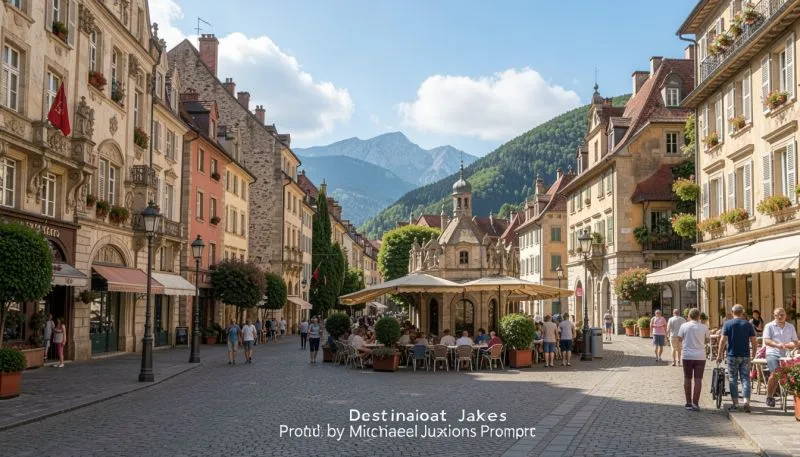
The real move is traveling during shoulder season that sweet spot between peak tourism and completely dead. For most European destinations, that’s April to May or September to October. You get decent weather, way fewer tourists, and significantly cheaper everything. Hotels drop their prices, restaurants aren’t packed, and you can actually have conversations with locals.
I went to Greece in late September last year and stayed in a beautiful seaside town that would have been overrun with cruise ship tourists in August. I paid €40 for a room with a sea view. In July, that same room was €120.
But timing isn’t just about seasons. It’s also about:
- Days of the week: Tuesday through Thursday flights are consistently cheaper than Friday through Sunday. If your schedule is flexible, this alone can save you hundreds.
- Booking windows: I used to think booking months in advance was always cheapest. Not true. For domestic flights, you often get better deals 3-4 weeks out. For international flights, 2-3 months is usually sweet. The absolute cheapest fares sometimes pop up 6 weeks before departure, then again about 2-3 weeks out.
- Setting price alerts: This is non-negotiable in 2026. Google Flights, Skyscanner, and Hopper all have alert systems. I get notifications whenever prices drop significantly on routes I’m considering. This has saved me thousands of dollars because I can actually see when a good deal shows up instead of just guessing.
- The thing nobody tells you: sometimes the absolute cheapest flights are terrible. Arriving at 2 AM, multiple connections, fourteen-hour journeys. Sometimes spending $50 more to fly direct and arrive at a reasonable time is actually the budget move, because you’re not spending money recovering from travel.
The Accommodation Sweet Spot (And Why Hostel Dorms Might Be Overrated)
I’ve stayed in everything: five-star hotels (house-sitting, long story), capsule hostels, tiny Airbnb rooms, sketchy budget hotels, camping, you name it.
Conventional budget travel wisdom says: hostels, obviously. And look, I’m not going to say hostels are bad. Some of my favorite travel friends are people I met in hostel common rooms. But if you’re choosing a hostel because you think it’s the cheapest option, you might actually be leaving money on the table.
Here’s what I’ve actually observed about different accommodation types in 2026:
- Hostels usually cost €15-30 per night for a dorm bed in Europe. The best ones have great social atmospheres and decent facilities. The worst ones are noisy, dirty, and you’re basically paying to sleep in a room with five strangers who are also drunk. I stay in hostels when I want to meet people or need something centrally located. I absolutely don’t stay in them to save money anymore—there are cheaper options.
- Budget hotels often get overlooked. A €35-45 night budget hotel gets you a private room, your own bathroom, and your own space to decompress. That’s sometimes only €10-20 more than a hostel dorm. Worth it? For most people, absolutely.
- Airbnb has gotten more expensive since the early days (no shock), but it’s still competitive if you’re traveling with other people. Split between two people, that €60-80 apartment becomes €30-40 per person and you get a kitchen. Having a kitchen is huge because you can make breakfast (save €5-10 per day) and prep simple meals instead of eating out constantly.
- Local booking sites are killing it in 2026. In many countries, there are local equivalents to Airbnb that are cheaper and support local businesses more. In Thailand, use Agoda. In India, check local sites like Oyo and Treebo. I once found a beautiful private room in Chiang Mai for €8 through a Thai booking site that would have been €25 on Airbnb.
- My actual strategy now: I use a mix. For cities, I usually do a €40-50 private room or shared Airbnb. For beach destinations, sometimes a super cheap hostel because you’re not spending much time in the room anyway. For longer stays (2+ weeks), I negotiate long-term discounts directly with Airbnb hosts or look for furnished rentals.

The biggest money move with accommodation is location. A room ten minutes outside the tourist district is often 40-50% cheaper and infinitely more pleasant. You trade a few extra minutes of travel time for significantly lower costs and better local experiences.
ETIAS Requirements for US Citizens 2026: The Complete Guide You Need Before Your Next European Trip
Food: Where Most Budget Travelers Actually Overspend
Everyone thinks street food and local markets are the budget secret. And sure, they’re part of it. But here’s what nobody tells you: you can absolutely spend a fortune on street food.
I watched a friend spend €40 on “street tacos” in Mexico City once. Were they good? Sure. But there were fresh, incredible tacos a block over for €0.80 each.
The issue is tourist-area pricing. Street food stalls in tourist zones charge tourist prices. This is obvious in hindsight, but when you’re hungry and don’t know your way around a city, it’s easy to just grab whatever’s nearby.
Here’s my actual food approach:
Eat where locals eat. This is number one. Download Google Maps, search for restaurants, sort by rating, look at the pictures of other people’s meals, and notice which places are packed with locals at lunch versus tourists. The packed local restaurants are where you go. A proper lunch at a place where Brazilians eat in São Paulo costs €3-5. At a tourist restaurant? €12-15.
Grocery stores are your friend. I spend maybe 20-30% of my food budget at supermarkets buying breakfast stuff, snacks, and ingredients for simple dinners. This immediately cuts your food costs by like 30-40%. A breakfast you make yourself is €1-2. A breakfast at a café is €6-10.
Skip the tourist-famous dishes. When I was in Bangkok, everyone was going to these specific street food stalls that Instagram made famous. Each meal was €8-12. I ventured two blocks away and found unmarked stalls where four courses (soup, curry, noodles, dessert) cost €4 total. Both were authentic, delicious, but vastly different prices.
One decent meal, one cheap meal. This is my strategy I’m genuinely proud of. Each day, I pick one meal to eat somewhere decent or try something special. The other meals are cheap, simple, or self-catered. This way you get genuine experiences and don’t feel deprived, but you’re not eating every meal at a restaurant.
Drink where locals drink. Beer in a tourist bar: €6. Beer at a local bar or from a convenience store: €1-1.50. This actually made a massive difference on a month-long trip through Central America. Switching from tourist bars to local spots probably saved me €300 just on drinks.
The real talk: I probably spend €25-35 per day on food in most European cities, €10-15 in Southeast Asia, and €8-12 in places like Central America or Eastern Europe. That’s eating well, trying local specialties, having something nice. It’s not about deprivation.
Transportation: Moving Smartly
Getting from place to place will eat a massive chunk of your budget if you’re not intentional about it.
- Within cities: Walk, use public transport, or bike. Taxis and Ubers add up incredibly fast. In most cities, a 7-day public transport pass costs €15-30 and pays for itself after like three days. When I walked more, I also discovered neighborhoods I never would have seen from a car window. Win-win.
- Between cities: This is where I see people waste money. Renting a car, flying between every destination, taking expensive tours. Here’s what actually works:
Bus travel is criminally underrated. Companies like FlixBus in Europe, similar operators in other regions—buses are slow but cheap. A 6-hour bus ride that costs €20 versus a flight that costs €60 might cost you time, but you’re saving money and you can sleep on the bus. I’ve done some of my best thinking on buses.
For longer distances where speed matters, look at flight deals first (using those price alert tools), but don’t discount trains. Europe’s rail system is actually incredible if you know how to use it. A Eurail pass looks expensive (€100-200+) but breaks even fast if you’re doing multiple longer journeys. I did a two-week European trip where I took like eight train journeys, and the pass saved me hundreds.
Rideshares between cities exist and are cheap. In Southeast Asia and Latin America, there are apps and services where people share taxis or vans between cities. Split costs between four people, it becomes incredibly cheap.
- Avoiding transport waste: Don’t book every connection in advance. Seriously. I used to book everything end-to-end before my trip. Then I’d change my mind about where I wanted to go, miss a bus, or want to stay somewhere longer. These changes cost me hundreds in rebooking fees.
Now I book onward transportation only when I’m close to needing it. This flexibility sometimes means I pay slightly more per ticket, but I save so much on missed or wasted transport by being able to adjust.
The Tools That Actually Move the Needle
There’s a million travel apps out there. Most are noise. Here are the ones I genuinely use:
- Google Flights: This is still the king for flight searching. The price alerts alone make it essential. I check these notifications like someone checking text messages.
- Skyscanner: Good alternative/backup to Google Flights. Sometimes catches different flights or better prices.
- Hopper: Shows you price trends and tells you whether to book now or wait. This has saved me hundreds by literally just telling me “prices will drop €40 in the next week.”
- Wise (formerly TransferWise): For currency exchange and international transfers. Bank exchange rates are criminal. Wise gives you the real rate with small fees. I convert money through Wise instead of my bank, and it’s genuinely saved me hundreds on longer trips.
- Maps.me: Download offline maps. This is critical. Even with data, having offline maps means you’re not dependent on connectivity, and you’re not using data.
- Google Translate: The camera feature is genuinely lifesaving. Point it at a menu, it translates. Point it at a street sign, it translates. No data even needed if you pre-download the languages.
- Accommodation sites: Google Hotel Search, local booking sites for each country, Airbnb, occasionally Booking.com. I use multiple because different sites show different inventory and prices vary.
- Restaurant searching: Google Maps with reviews is still best. But in each country, there are local apps. Bangkok has different apps than Barcelona. I do local research before each trip.
What I don’t use: Most of the “budget travel hacker” apps that promise to find secret deals. These are either scams, show the same deals as the legit sites, or drive traffic to affiliate links.
Visas, Insurance, and the Boring Stuff That Actually Matters
This section is less sexy than “how to eat for $2 a day,” but honestly, overspending here will tank your budget.
- Visas: Some countries require visas, some don’t. Always check before booking. And always check how long you can actually stay without one. I almost made an expensive mistake trying to extend a stay in a country when I should have just gone to a neighboring country visa-free.
In 2026, eVisa systems are common and usually cheaper than embassy applications. Apply online, pay the fee (usually €10-40), get your approval in days.
Readmore Eastern Europe Travel Guide 2026
- Travel insurance: This seems like a cost you can skip. Don’t. One medical incident abroad costs thousands. I pay €25-40 per month for comprehensive travel insurance. That’s non-negotiable. Look at World Nomads or similar—they’re usually reasonable for budget travelers.
- SIM cards: Buy a local SIM card in most countries. €2-5 initial cost, then €5-20 per month for data and calls. Way cheaper than international plans from your home country.
How I Actually Budget a Trip (Real Example)
Let me walk through an actual trip I took recently so you see how this all comes together.
I went to Colombia for three weeks in April (shoulder season). Here’s what I budgeted:
- Flight: €420 (booked 10 weeks ahead, kept checking price alerts, took a flight with one connection instead of direct to save €80)
- Accommodation: €500 total (€7-15 per night depending on the city, mix of Airbnb shared rooms and budget hotels, negotiated 20% discount for 3-week stay)
- Food: €450 (€7-8 per day on average, one nice meal every other day, rest was market food and self-catered breakfasts)
- Local transportation: €80 (buses, metro, few short taxi rides)
- Activities: €150 (some free activities, paid hikes, one guided coffee plantation tour)
- Insurance: €35
Total: ~€1,635 for three weeks, or about €78 per day
This included good experiences—hiking coffee plantations, exploring local markets, staying in actual neighborhoods. It wasn’t deprivation. It was just intentional spending.
Compare this to my first big trip (that Thailand wedding) where I had no system: I spent €2,400 for two weeks without even really trying. Same experiences, I think worse accommodation, definitely worse food, and way less enjoyment because I was constantly stressed about money.
Common Mistakes I’ve Actually Made (So You Don’t Have To)
- Skipping good travel insurance to save €30-40: Honestly the dumbest move. If something goes wrong, you’ll spend ten times that amount. Not worth it.
- Booking everything in advance: I mentioned this but I’m saying it again because it cost me so much money. Flights, yes. Hotels every night, no. You lose flexibility and pay more.
- Trying to visit too many places: One trip I packed nine cities into three weeks. I spent half the time traveling, felt exhausted, and didn’t actually experience anything properly. Slower trips with fewer locations are cheaper (less transportation) and better.
- Eating every meal as a “budget travel” meal: One restaurant meal with friends where I spent €25 on dinner wasn’t worth the savings. It was worth the experience. I sometimes say no to nice meals because I’m budgeting, but I don’t say no to all of them.
- Not telling locals where I’m from / seeming clueless: When you look obviously lost and confused, you get charged higher prices. Learn a few basic phrases, ask locals for restaurant recommendations, don’t pull out a giant map in the middle of the street. You’ll get better recommendations and better prices.
Banking on long-term travel to somehow be cheaper than short trips: People say “oh, if you’re gone longer, you’ll save money.” Not true. You still need to eat, sleep, and move around every day. It doesn’t get proportionally cheaper. Sometimes longer trips are cheaper because you negotiate long-term discounts or spend more time in cheaper countries, but just being gone longer doesn’t cut costs.
How to Stay Healthy While Traveling
What Changes vs. What Stays the Same
Travel is always changing. Prices go up, new apps launch, visa rules shift. But the fundamental principles don’t really change:
- Traveling during shoulder season is cheaper than peak season
- Staying slightly outside the tourist zone is cheaper and better
- Eating where locals eat is cheaper and better
- Being flexible with dates and routes saves money
- Local transportation beats taxis
- Walking beats everything except being still
These things were true in 2015 and they’re true in 2026. Probably true in 2035.
What has changed: It’s easier to research in advance, compare prices across platforms, talk to locals through online groups before you arrive, and find authentic recommendations that aren’t just from tourist guidebooks.
The Real Secret Nobody Talks About
The actual secret to budget travel isn’t some clever hack or life hack or secret travel blogger trick. It’s that you’re willing to be uncomfortable sometimes and you’re okay with slow travel.
If you need to fly business class and stay in five-star hotels, budget travel isn’t for you, and that’s fine. There’s nothing wrong with luxury travel. But if you’re trying to see the world on a limited budget, you need to be okay with:
- Taking the overnight bus to save money and accommodation costs
- Staying in a simple room without a bathtub
- Eating simple food most of the time
- Walking instead of taking taxis
- Missing some popular attractions because you’re being selective
- Spending time in less popular places
When you accept these things, it becomes easy. When you fight them and want luxury at budget prices, you get stressed and grumpy.

The people I know who travel the most and spend the least? They genuinely enjoy the simple stuff. They like walking around neighborhoods. They like food stalls. They like meeting people in hostels. They’re not forcing themselves to do these things because they can’t afford better—they’re doing them because they actually enjoy them.
That’s the shift that made my trips actually good.
Final Thoughts
I wrote this whole thing thinking about that trip to Thailand four years ago when I convinced myself I couldn’t afford to travel. I had the budget, but I didn’t have the knowledge about how to make that budget work.
Budget travel in 2026 is more accessible than ever. You have better tools, more options, more information. You can literally compare flights from fifty airlines on one screen. You can see hotel reviews before you arrive. You can talk to locals in Facebook groups before you book.
The gap between expensive travel and budget travel has actually shrunk because of these tools. You’re not suffering through terrible hotels anymore you just have options at different price points.
Start with a destination you actually want to visit instead of the cheapest destination. Figure out when shoulder season is. Set price alerts. Book your flight when it’s cheap. Find accommodation slightly off the tourist drag. Eat where locals eat. Walk around. Talk to people.
You probably can’t travel exactly the way I do because you have different priorities, different budgets, different comfort levels. That’s okay. Build your own system. But don’t convince yourself you can’t travel because you don’t have a lot of money.
You can. You absolutely can. I’m proof, and honestly, I’m no different than you.
Now go book something and actually go.

Michael James is an American travel writer and Europe visa specialist with 7+ years of experience helping U.S. citizens stay longer in Europe. Through real conversations with digital nomads, retirees, and expat families, he delivers clear, no-fluff guides on the latest 2026 Schengen rules, ETIAS, and the best long-stay visas. Follow his practical advice at TravelTipHub.