

Best Time to Visit Big Sky
So here’s the thing about Big Sky that nobody tells you upfront:
I completely messed up my first trip there.
I booked a “shoulder season” deal in late April because it looked cheap and I figured Montana in spring would be beautiful. What I got instead was a resort in shutdown mode, half the restaurants closed, slushy snow that made skiing miserable, and hiking trails that were basically muddy ice rinks. I spent most of that trip in my rental cabin wondering why I didn’t just go to Colorado like everyone else.
But here’s the plot twist – that disaster trip is exactly why I’ve now been back to Big Sky seven times. Once you figure out the timing, this place is absolutely unreal. No crowds like Vail, no lift lines like Park City, and terrain that’ll make you forget those places even exist. You just need to know when to show up.
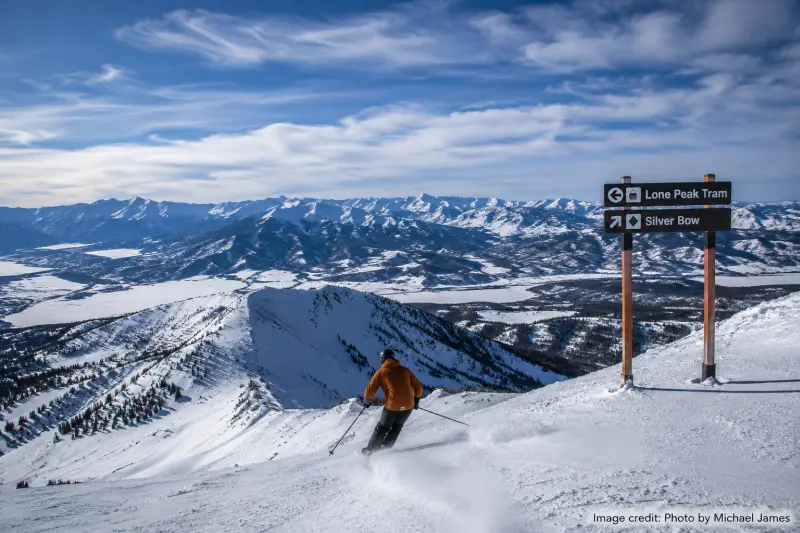
Why Timing Big Sky Is Different Than Other Mountain Towns
Before I dive into the specifics, you need to understand something about Visit Big Sky that makes it different from pretty much every other ski resort in the Rockies. This isn’t a traditional mountain town with a Main Street and a functioning downtown year-round. Big Sky is basically a collection of resort properties spread out along Lone Mountain, with the actual town of Visit Big Sky being more of a “where stuff is located” than a classic mountain village.
- What this means practically: the place operates in very distinct seasons. When ski season ends, it ENDS. We’re not talking about a gradual wind-down where you can still grab a beer at the base – I’m talking about places literally boarding up their windows. Then in summer, it transforms into something completely different, and if you show up between seasons, you’re going to have my April experience.
I learned this the hard way, but you don’t have to.
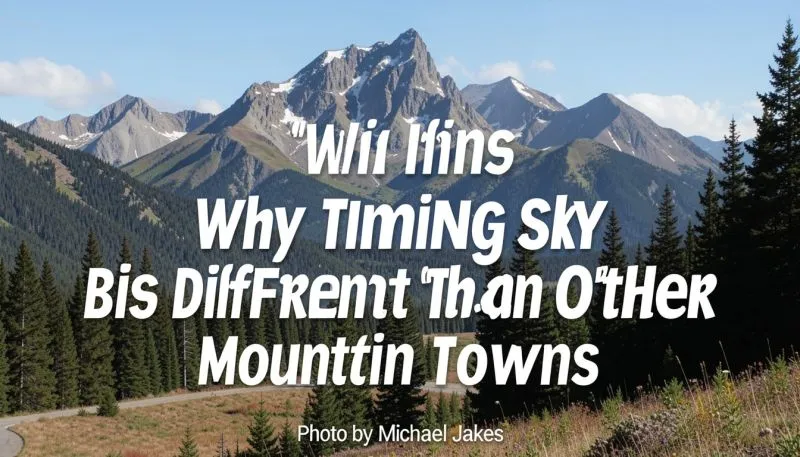
Winter: When Big Sky Actually Lives Up to the Hype
Let me be straight with you – if you’re thinking about Visit Big Sky, you’re probably thinking about skiing or snowboarding. And you should be, because the winter season is when this place absolutely delivers.
December: The Gamble That Sometimes Pays Off
I tried a December trip two years ago, specifically the week before Christmas. The resort was open, the snow was… okay, and here’s the big selling point: it was EMPTY. Like, ski-on-empty. I think I waited in a lift line for maybe three minutes total over four days.
- But here’s the catch: early December is a snow depth gamble. The resort typically opens around Thanksgiving, but you’re really relying on early season snowfall. That year I went, they had enough coverage to keep things running, but about 30% of the terrain was closed. The higher elevation stuff was skiing great, but anything mid-mountain was pretty scratchy.
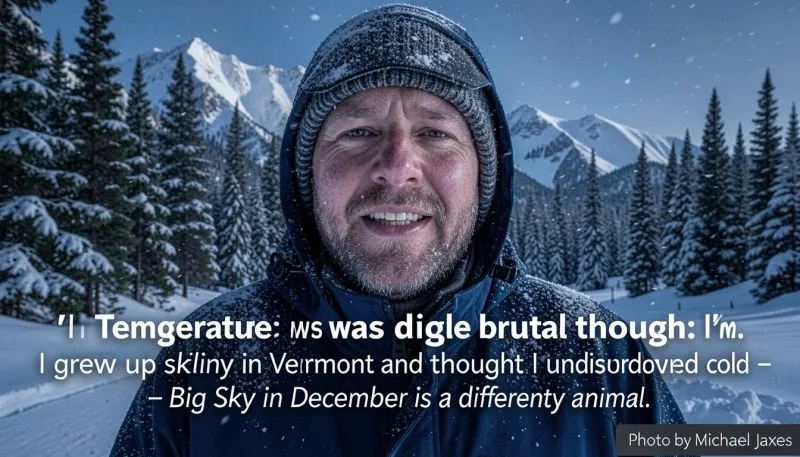
The temperature was brutal though. I’m talking single digits Fahrenheit during the day, below zero at night. I grew up skiing in Vermont and thought I understood cold – Visit Big Sky in December is a different animal. Your face actually hurts.
- The smart play for December: If you’re going to roll the dice on early season, download the OpenSnow app before you book. I check it religiously now. Look at the base depth reports and make sure Visit Big Sky has at least 30-40 inches at the base before you commit.
Also, December 26-January 1 is peak holiday pricing and crowds, so avoid that week unless you love paying $200+ per night and standing in actual lift lines.
January Through February: Prime Time (And I Mean It)
This is the sweet spot, and I’ll fight anyone who says otherwise. I’ve done three separate trips during these months, and every single time, the conditions were phenomenal.
January specifically is when Visit Big Sky gets absolutely dumped on. Montana gets these Pacific storm systems that roll through, and Visit Big Sky location means it catches everything. The base depth climbs to 60, 70, sometimes 80+ inches, and the terrain starts opening up.
Royal Caribbean Hidden Fees You Must Know in 2026 | Real Costs + How to Save $500+
My best trip ever was mid-January last year.
We got 14 inches overnight, woke up to bluebird skies, and spent the entire day finding untracked powder in the trees. In the afternoon, after most people had tired themselves out, we lapped the Challenger lift and had the whole upper mountain to ourselves. This is what Visit Big Sky is supposed to be.
Temperature-wise, you’re still looking at cold – typically 15-25°F during the day – but it’s manageable cold. I learned to layer properly: merino wool base layer (not cotton – I made that mistake year one), mid-layer fleece, and a good shell. Also, get a neck gaiter. The wind on the tram can be wicked, and a neck gaiter makes all the difference.
February
is nearly as good as January, with slightly better temperatures. We’re talking 20-30°F during the day, which is almost pleasant for skiing. The snowpack is deep and stable by this point, so you’re not dealing with sketchy avalanche conditions as much. Plus, the days are getting longer, so you’re not skiing in the dark at 4:30 PM.
- One thing I noticed about February: it’s actually busier than January, especially Presidents’ Day week. I made the mistake of going that week once (never again), and it was the only time I experienced actual crowds at Visit Big Sky. Lift lines were 10-15 minutes, the lodge was packed, and parking was a nightmare. Learn from my mistake: avoid the third week of February like it’s radioactive.
March: The Temperature Sweet Spot With a Warning
March is when Visit Big Sky starts to warm up, and honestly, it’s kind of perfect if you catch it right. I did a trip in early March, and the skiing was still incredible – tons of snow, softer temperatures (30s during the day), and you can actually eat lunch outside without your sandwich freezing solid.
- The catch: March is when spring conditions start creeping in. By mid-to-late March, you’re looking at freeze-thaw cycles. The snow gets crusty overnight, then turns to corn snow by afternoon. If you’re into that style of skiing, it’s actually really fun – but if you’re hoping for powder, you might be disappointed.
- Here’s my March strategy: ski first thing in the morning when the snow is still firm and fast, take a long lunch break (seriously, the sunshine at the base is amazing in March), then hit the south-facing slopes in the afternoon when the corn snow is at its peak. Don’t even bother with north-facing runs in the afternoon – they stay icy and unpleasant.
Also, March is when Visit Big Sky starts to empty out. Spring break timing varies, but generally by mid-March, you’re back to minimal crowds. I like this because you get better snow conditions than December but similar crowd levels.
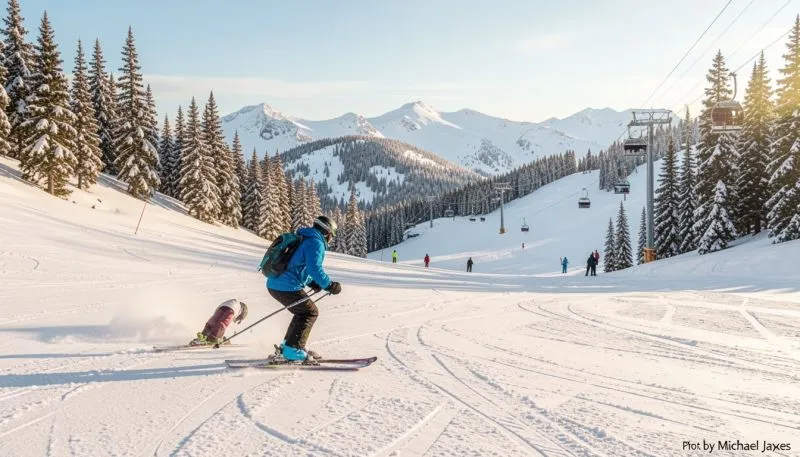
The Shoulder Seasons: Where I Learned Expensive Lessons
Remember my disastrous April trip I mentioned at the beginning? Let me explain what went wrong so you don’t repeat my mistakes.
April: Just Don’t (Unless You’re Very Specific)
The ski season at Visit Big Sky typically runs through mid-April, sometimes stretching into early May if the snow holds. I thought “great, I’ll go in late April and get deals.” What I didn’t realize is that late April is when everything falls apart.
The resort stays open, technically, but it’s zombie mode. Half the lifts are closed. Most restaurants and shops shut down. The snow turns to slush by 11 AM. The vibe is just… sad. It’s like showing up to a party at 3 AM when everyone’s already left and there’s just a few stragglers cleaning up.
- However – and this is important – if you go in EARLY April (like the first week), and there’s been good late-season snow, it can actually be decent. I haven’t personally done this, but friends who have say it’s all about snow conditions. If the base is still 50+ inches and it’s been cold, early April can work. But you’re gambling.
May: The Dead Zone
May in Visit Big Sky is basically the resort equivalent of a ghost town. Ski season is over, summer season hasn’t started, and there’s literally nothing to do. I’ve driven through Visit Big Sky in May (on the way to somewhere else), and it’s eerie. Empty parking lots, closed shops, that’s it.
Unless you’re into… looking at mud? Don’t go in May. I can’t think of a single reason to be there during this month.
ETIAS Visa Tips for USA Citizens
October Through Early December: The Other Dead Zone
Same situation as May, just on the other end. The summer season wraps up by September, and then Visit Big Sky goes into hibernation until ski season opens around Thanksgiving. October is especially weird because everything is closed, the weather is cold but there’s no snow, and the mosquitoes are still around for some ungodly reason.
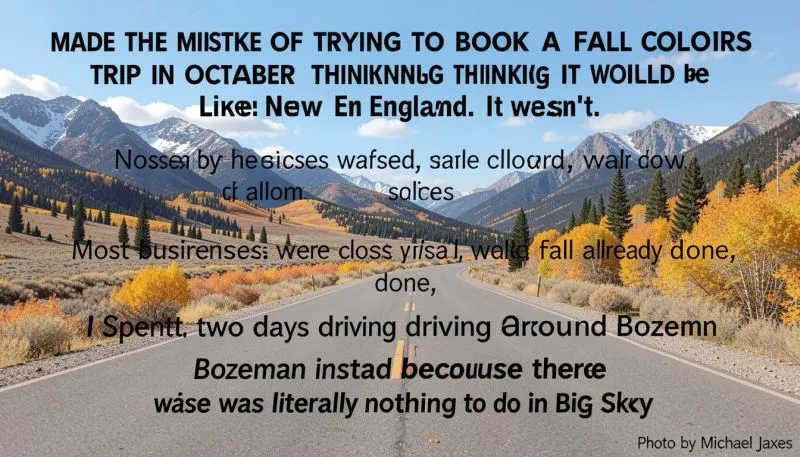
I made the mistake of trying to book a fall colors trip in October thinking it would be like New England. It wasn’t. Most businesses were closed, the fall colors were already done, and I spent two days driving around Bozeman instead because there was literally nothing to do in Visit Big Sky.
Summer: The Hidden Season Everyone Misses
Here’s where this article takes a turn, because I genuinely think most people are sleeping on Visit Big Sky in summer. I discovered this completely by accident when my wife suggested we go back in July after loving our winter trip. I was skeptical – I mean, it’s a ski resort, right?
Wrong. Summer Visit Big Sky is a completely different experience, and in some ways, I actually prefer it to winter.
Late June Through August: Montana Summer Is Special
We did our first summer trip in late July, and I was blown away. The wildflowers were insane – I’m talking entire meadows of lupines, Indian paintbrush, and these purple flowers I can’t remember the name of. The mountains were green, the trails were dry, and the weather was absolutely perfect.
Temperature-wise, you’re looking at 70-80°F during the day, dropping to 40-50°F at night.
- This is crucial: Big Sky’s elevation means the nights are COLD even in summer. I brought shorts and t-shirts like an idiot, and we had to buy sweatshirts in town because we were freezing at night.
- What to do in summer: This is where Visit Big Sky surprised me. The hiking is world-class. We did the Ousel Falls trail (easy, family-friendly, absolutely beautiful), the Beehive Basin trail (harder, but the views at the top are unreal), and spent a day at Yellowstone (it’s an hour drive south – totally doable as a day trip).
The mountain biking is also supposed to be incredible. I don’t personally bike, but the resort converts the ski runs to downhill bike trails, and I saw people hauling up the lifts with their bikes. The local bike shops (like Grizzly Outfitters) rent gear if you don’t want to bring your own.
Breeze Airways International Routes 2026 – Full List & New Routes Map
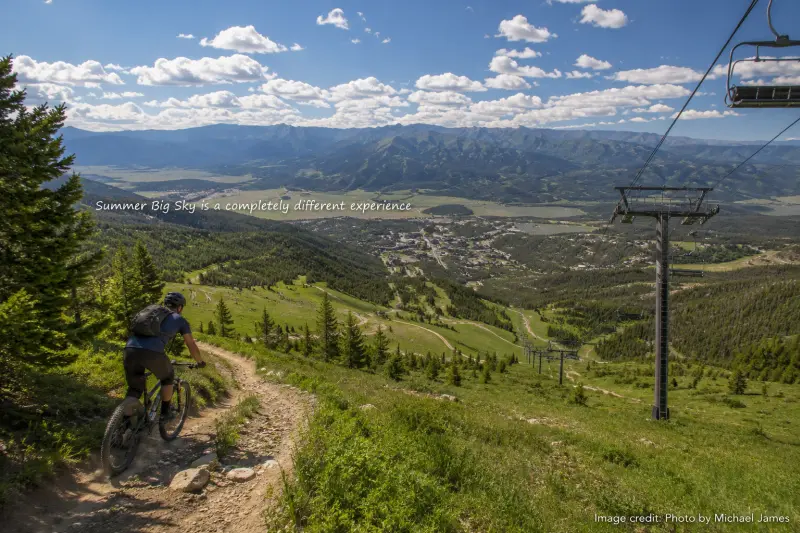
- One thing that made our summer trip special: there were almost no people. We had entire trails to ourselves. The restaurants weren’t crowded. It felt like we had discovered a secret that nobody else knew about.
- The downside: Some of the resort amenities are scaled back in summer. Not everything is open, and the vibe is definitely more low-key. If you’re expecting a bustling resort atmosphere, you might be disappointed. But if you want quiet mountains, amazing hiking, and beautiful weather, summer is honestly perfect.
September: The Best-Kept Secret
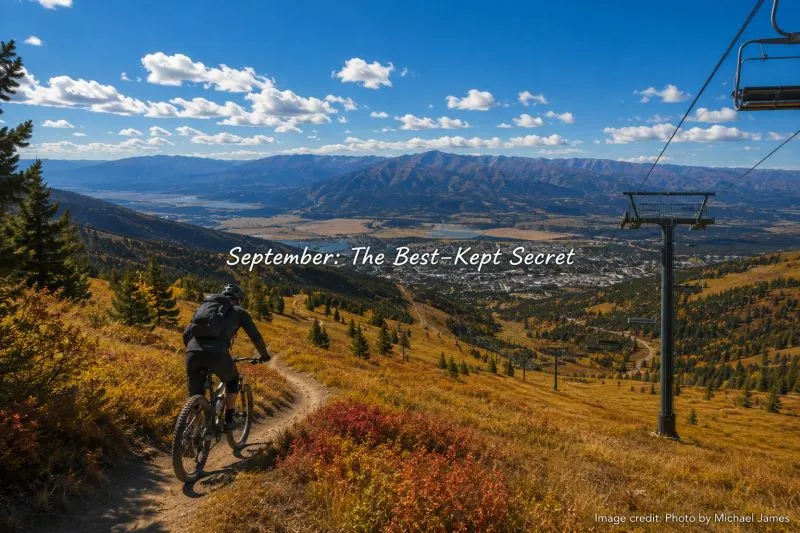
I haven’t personally done September yet (it’s on my list for this year), but I’ve talked to locals who swear by it. The weather is still good – 60s and 70s during the day – the crowds are even lighter because kids are back in school, and the early fall colors start showing up.
- The catch: you’re racing against the first snow. By late September, the weather can turn, and you might get hit with early winter storms. But if you like that shoulder season vibe and don’t mind a little weather uncertainty, September sounds amazing.
Practical Stuff Nobody Tells You About Timing
Alright, so now that you know the seasons, let me share some practical intel I wish someone had told me before my first trip.
Book Lodging Early (Like, Really Early)
Visit Big Sky doesn’t have the same volume of lodging as places like Breckenridge or Tahoe. There are basically four main areas: Mountain Village (at the base), Meadow Village (a few miles down the road), Canyon (further down), and West Yellowstone (about an hour away).
I learned this the hard way when I tried to book a mid-February trip only six weeks out and everything decent was booked solid. Now I book a full year in advance for peak season. I use a combination of VRBO (for condos and houses), the Visit Big Sky Resort website (for ski-in/ski-out properties), and sometimes Airbnb, though the selection is smaller.
- Pro tip: If you’re flexible on exact dates, put in multiple date ranges and compare prices. I once saved $800 by shifting my trip one week earlier.
The Bozeman Airport Factor
Visit Big Sky doesn’t have its own airport. You fly into Bozeman (BZN), which is about an hour drive north. This matters for timing because winter flights to Bozeman can be unpredictable.
I’ve had two separate trips where flights were delayed or canceled due to winter storms. In one case, we missed an entire day of skiing because our Friday night flight got pushed to Saturday morning. Now I always fly in a day early if possible, especially for winter trips.
Also, rent a car that can actually handle winter driving. I made the mistake of renting a compact sedan for my first winter trip (because it was cheap), and the drive from Bozeman to Visit Big Sky in a snowstorm was genuinely terrifying. Now I always rent an AWD SUV. It costs more, but the peace of mind is worth it.
Safe Solo Travel in USA National Parks 2026 – Ultimate Safety Guide
Weather Apps Are Your Friend
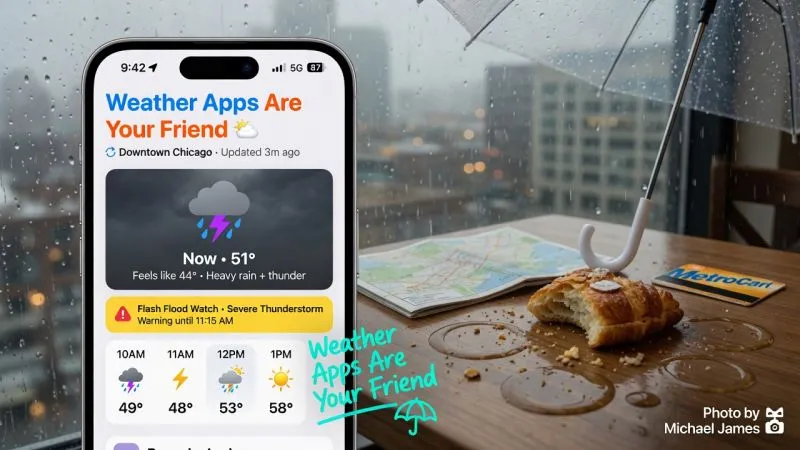
I cannot stress this enough: download weather and snow apps before you go. Here’s my essential list:
- OpenSnow – This is the gold standard for snow forecasting. The free version is fine, but I pay for premium ($20/year) because the extended forecasts and detailed analysis are worth it. I check this daily for the two weeks leading up to my trip.
- Mountain Hub – Real-time snow reports and photos from other skiers. This gives you the actual conditions, not just what the resort reports.
- Weather Underground – More accurate than the default weather apps for mountain weather. The hourly forecasts are crucial for planning your ski days.
- AllTrails (for summer) – If you’re hiking, this app is essential. Downloaded maps work offline, which is important because cell service in Visit Big Sky can be spotty.
The Crowds Calendar I Wish Existed
Since there’s no official crowds calendar for Visit Big Sky, I’ve built my own mental model based on experience:
- Dead empty: First two weeks of January, most of March (except spring break)
- Moderate: Early December, late January, early February, late April
- Actually crowded: Christmas week, Presidents’ Day week, MLK weekend
- Summer crowds: Almost never an issue
Mistakes I Made So You Don’t Have To
Let me rapid-fire some lessons learned:
- Mistake #1: Going in April without checking snow conditions first. Just because the resort is open doesn’t mean you should go.
- Mistake #2: Not bringing warm enough clothes for summer nights. The 40-degree temperature swing from day to night is no joke.
- Mistake #3: Assuming Visit Big Sky would be like other ski resorts with year-round operations. It’s not. Plan around the actual seasons.
- Mistake #4: Not reserving restaurants in advance during peak season. Some of the better spots (like Olive B’s and Lone Mountain Ranch) book up weeks in advance for prime time winter weekends.
- Mistake #5: Renting skis at the resort. Go to Grizzly Outfitters or Lone Peak Sports in town – better selection, better prices, and they actually tune your skis properly.
- Mistake #6: Underestimating the altitude. Visit Big Sky base is at 7,500 feet, and the tram goes to 11,166 feet. I got altitude sick on day one of my first trip because I went straight from sea level and immediately started skiing hard. Now I always arrive a day early, drink tons of water, and take it easy the first half-day.
My Personal Recommendation: When I Actually Go
If you forced me to pick one time to Visit Big Sky, I’d say the last two weeks of January. The snow is deep, the crowds are minimal, the resort is fully operational, and you get that perfect winter mountain experience.
But here’s the thing – I keep going back in summer now too, because it’s such a different experience. If you have the flexibility, I’d actually recommend doing both: a winter trip for the skiing, and a summer trip for the hiking and quieter mountain vibe.
Final Thoughts (The Real Ones)
Look, Visit Big Sky isn’t perfect. It’s isolated, it’s expensive, and if you time it wrong, you’re going to have a bad time. But when you get it right – when you show up in mid-January to 14 inches of fresh snow, or in late July when the wildflowers are peak and the trails are empty – it’s genuinely one of the best mountain experiences in the country.
The key is just understanding that Visit Big Sky operates in distinct seasons, and those shoulder periods aren’t worth the gamble for most people. Stick to the sweet spots I’ve laid out, book early, and you’ll have an incredible trip.
And hey, if you do make my April mistake, at least you can laugh about it later and write a blog post warning other people. That’s what I’m doing.
Now go book your trip – preferably not in April.

Michael James is an American travel writer and Europe visa specialist with 7+ years of experience helping U.S. citizens stay longer in Europe. Through real conversations with digital nomads, retirees, and expat families, he delivers clear, no-fluff guides on the latest 2026 Schengen rules, ETIAS, and the best long-stay visas. Follow his practical advice at TravelTipHub.