

Sustainable Travel Tips 2026
If you’re an American or European traveler planning your next trip in 2026, you already know the drill. The planet is sending us some pretty clear signals: “Business as usual” travel just won’t cut it anymore. That’s why sustainable travel tips for 2026 aren’t just a trend—they’re a must-have.
Whether you’re a weekend warrior bouncing around Europe or a family from the Midwest heading to Costa Rica, these practical, real-world strategies will help you shrink your carbon footprint, support local communities, and return home knowing you actually left the places better than you found them.
So save yourself hours of scrolling through vague blog posts. Instead, dive into the latest 2026 trends, fresh data, and battle-tested advice I’ve compiled just for you. By the time you finish this guide, you’ll have a complete playbook—including handy tables, must-have apps, packing lists, and a full FAQ—ready to use on your very next adventure.
Let’s get started.

Why Sustainable Travel Tips for 2026 Matter More Than Ever
Travel is back—and bigger than ever. But here’s the reality check: tourism still accounts for roughly 8% of global greenhouse gas emissions. In 2025–2026, we’re witnessing a major shift from “do no harm” to regenerative travel—the idea that your trip should actually restore ecosystems, boost local economies, and fight overtourism instead of adding to the problem.
For U.S. and European travelers, this issue hits especially close to home. EU carbon border taxes and new flight regulations are already driving up ticket prices, while American national parks are rolling out reservation systems to combat overcrowding. Recent surveys show that more than 80% of travelers now consider sustainability a key factor when booking trips.
-
The Good News?
Small changes add up fast. One family choosing trains over short-haul flights can slash their emissions by 80–90%. That’s the real power of smart sustainable travel tips for 2026.
1. Think Like a Pro: Choose Destinations and Seasons That Actually Make a Difference
The best sustainable travel tip for 2026 is simple: go where the crowds aren’t. Smart travelers are ditching the usual hotspots and heading to shoulder seasons and hidden gems. Places like Barcelona, Venice, and Santorini are getting crushed by overtourism, so the pros are choosing smarter alternatives.
Pro Tips for American and European Travelers:
- Book off-peak travel (April–May or September–October in Europe) to avoid heatwaves, massive crowds, and sky-high prices.
- Prioritize destinations that are actively fighting overtourism, such as Slovenia’s “Green Scheme,” Costa Rica’s carbon-neutral pledge, or New Zealand’s regenerative tourism model.
- Use helpful tools like the EU’s new “Sustainable Tourism” labels or the U.S. National Park Service’s timed-entry reservation system to plan responsibly.
Best Eco-Friendly Travel Destinations for U.S. and European Travelers in 2026
| Rank | Destination | Why It Wins | Carbon-Smart Access from USA/Europe | Best For |
|---|---|---|---|---|
| 1 | Slovenia | 60% of land is protected, with an excellent rail network | Direct flights + easy rail connections from major EU cities | Nature lovers, families |
| 2 | Costa Rica | On track for 100% renewable energy by 2026 | Direct flights from Miami, Houston, and NYC | Wildlife & adventure seekers |
| 3 | Iceland (off-peak) | Advanced glacier monitoring and rewilding projects | Direct flights from NYC, Boston, and London | Northern lights seekers |
| 4 | Azores (Portugal) | Strict eco-rules for whale watching and marine life | Easy connections via Lisbon | Island explorers |
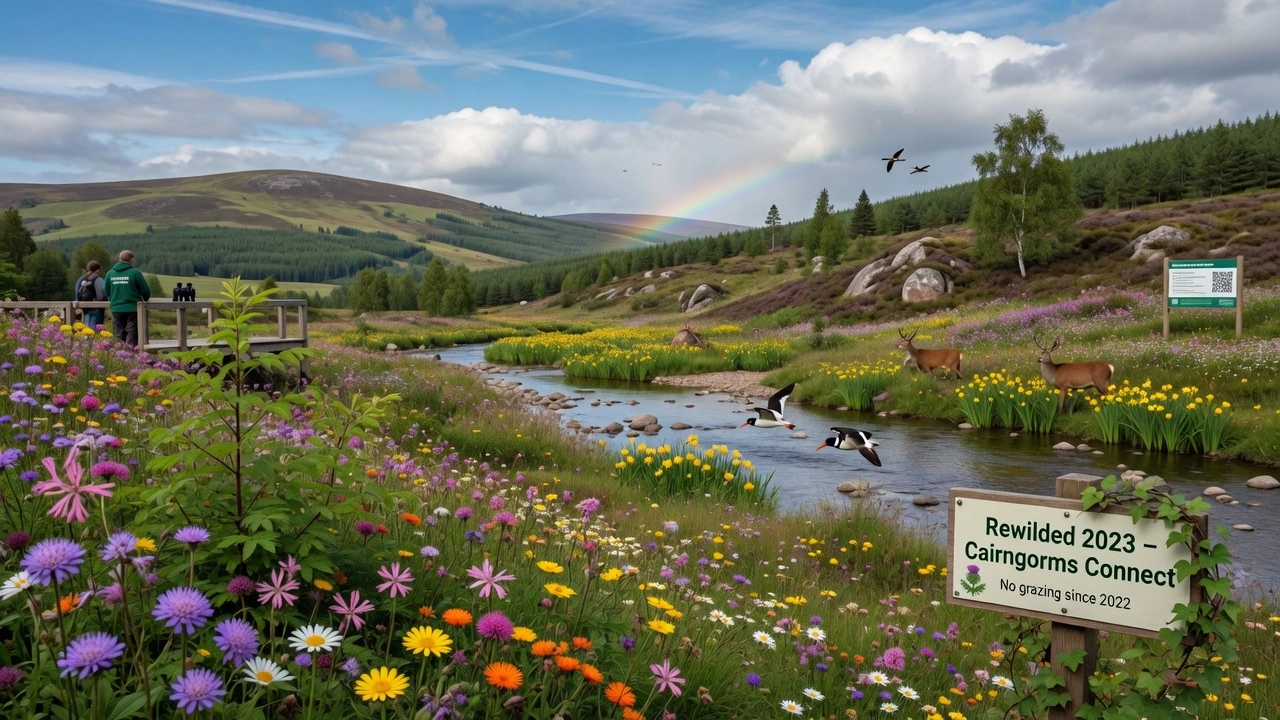
| 5 | Scottish Highlands | Massive rewilding estates open to the public | Sleeper trains + affordable flights | History lovers and hikers |
2. Transportation: The Biggest Win (or Loss) for Your Trip
Transportation accounts for 70–80% of most trips’ total emissions. In 2026, making the sustainable choice isn’t optional anymore—it’s essential.
Travel Tips: Getting There and Getting Around Sustainably in 2026
- Fly less, fly better. Choose nonstop flights whenever possible. Use apps that show real-time carbon scores (more on those below) and offset your emissions responsibly through verified programs like Gold Standard or Verra.
- Trains are the new cool. Europe’s Eurail and Interrail passes are greener and more scenic than ever. Back in the U.S., Amtrak’s new routes and Brightline expansions are bringing rail travel back into fashion.
- On the ground, go local. Walk, bike, ride an e-scooter, or use public transit. If you have to drive, rent an electric vehicle—many European cities now offer massive incentives for EVs.
2026 Carbon Footprint Comparison (per person, round-trip from NYC to Europe example)
| Transport Option | Approximate CO₂ Emissions | Duration | Cost Range (USD) | Sustainability Rank (out of 10) |
|---|---|---|---|---|
| Economy Flight (direct) | 1,200–1,800 kg | 8–10 hours | $450–850 | 3 |
| Train + Ferry Combo | 80–150 kg | 24–36 hours | $300–600 | 9 |
| Long-Distance Bus | 200–300 kg | 30+ hours | $150–400 | 8 |
| EV Road Trip (rental) | 300–500 kg (depends on grid) | Varies | $600–1,200 | 7–8 |
Pro Tip: Book “flight-free” routes with specialists like Byway Travel or Intrepid’s new low-carbon lines for the easiest and most rewarding experience.

3. Certifications That Actually Matter: Where to Stay
Forget greenwashing. In 2026, these verified certifications actually mean something. Here are the ones smart travelers should look for when choosing where to stay:
Top Eco-Certifications to Trust in 2026
| Certification | What It Guarantees | Best For | Primary Locations |
|---|---|---|---|
| Green Key | Community support, water conservation, and energy savings | Hotels and family-friendly resorts | Europe and international |
| EarthCheck | Science-based carbon tracking and environmental management | Larger hotels and resorts | Global |
| EU Ecolabel | Strict EU standards on chemicals, waste, and sustainability | Budget to mid-range hotels | Europe |
| LEED + WELL | Energy efficiency + human health and wellness focus | Luxury and upscale properties | U.S. and North America |
| Regenerative Travel | Actively restores land and supports local communities | Boutique eco-lodges | Costa Rica, New Zealand, and beyond |
4. On the Ground: Eating, Shopping, and Exploring Responsibly
Eat local and eat seasonal. In 2026, farm-to-table isn’t just clever marketing — it’s the new standard.
Here are the smartest ways to make a real difference while you’re there:
- Support Indigenous-led and community-run tours. In Europe, seek out authentic Sami experiences in Scandinavia or Gaelic heritage tours in Scotland.
- Ditch single-use plastics completely. Skip any animal interactions that exploit wildlife — choose ethical, hands-off experiences instead.
- Get involved in citizen science. Many destinations now offer “rewilding days” where you can help plant trees, track butterflies, or restore local ecosystems.

5. 2026: Light and Smart Packing
Less stuff = fewer emissions. Lighter bags mean less fuel burned whether you’re flying, taking the train, or driving. In 2026, packing light and smart is one of the easiest and most effective sustainable travel wins.
What to Bring (and What to Leave Behind):
- Integrated-filter refillable water bottle (ditch single-use plastics for good)
- Beeswax wraps + a collapsible shopping bag (ideal for zero-waste market shopping)
- Quick-dry Merino wool clothing (lasts longer, needs fewer washes, and stays fresh)
- Portable solar power charger
- Digital passport and boarding passes only (no paper, no stress)
6. Tech Tools Every Eco-Conscious Traveler Needs in 2026
Best Sustainable Travel Apps to Download in 2026
| App | What It Does | Why U.S. & EU Travelers Love It |
|---|---|---|
| Ecosia | Search engine that plants trees with every search | Completely free and directly funds global reforestation projects |
| Refill | Locates water refill stations worldwide | Dramatically cuts down on single-use plastic bottle waste |
| Oroeco | Real-time carbon calculator that tracks your full trip footprint with gamified challenges | Shows the exact impact of every route and activity instantly |
| Gaia GPS + AllTrails | Detailed maps with conservation notes and eco-friendly trails | Perfect for responsible hiking and outdoor adventures in the wild |
Real Traveler Stories from 2026
Last summer, my friend Sarah from Chicago skipped the short-haul flight and took the train from London to the Scottish Highlands instead. She spent roughly the same amount of money but came home absolutely raving about the rewilding projects she visited along the way. Best part? She saved more than 1,200 kg of CO₂ on that single trip.
Readmore How to Travel Solo Safely as a Beginner
Stories like Sarah’s are no longer rare exceptions — they’re quickly becoming the new normal.
FAQ: Your Most Common Questions About Sustainable Travel in 2026
- Will it cost more to travel sustainably in 2026? Not always. In many cases, trains and off-peak travel are actually cheaper than peak-season flights. Plus, choosing eco-lodges and responsible operators often saves money in the long run through lower energy costs and better experiences.
- How do I responsibly offset my flight? Always choose Gold Standard or Verra-certified projects. Even better: focus first on reducing your emissions, then offset what you can’t avoid.
- What’s the difference between Sustainable Travel and regenerative travel? Sustainable travel means “do less harm.” Regenerative travel means actively making the destination better — restoring ecosystems, supporting local communities, and fighting overtourism. In 2026, regenerative Sustainable Travel is quickly becoming the new gold standard.
- Are there any new EU or U.S. rules I should know about? Yes. The EU is raising flight taxes and introducing stricter carbon regulations. In the U.S., many popular national parks now require advance reservations to control crowds. Always check the official park or government websites before booking.
- Can families Sustainable Travel sustainably without the stress? Absolutely. Look for family-friendly eco-resorts and train routes that offer dedicated family cars. Many destinations now have kid-focused nature activities and low-carbon adventures that everyone will love.
- How can I avoid greenwashing when booking? Stick to the trusted certifications listed in Table 3 and read recent guest reviews that specifically mention real sustainability practices (not just marketing claims).
- What’s the biggest impact I can make as a traveler? Fly less. Skipping even one short-haul flight can save as much carbon as several months of typical household energy use. For most people, this is the single biggest win of the entire trip.
- Do Sustainable Travelchoices come with rewards? Yes! Some cities are now actively rewarding green Sustainable Travel. Programs like CopenPay in Copenhagen actually pay you (in discounts or free perks) when you choose low-carbon transportation.
- How can I track the impact of my trip? Use super-simple apps like Oroeco or Green Travel Choice. They show your real-time carbon footprint, gamify the experience, and help you see exactly how much difference your choices are making.
- Will 2026 bring more “flight shame”? Not really. The conversation is shifting away from guilt and shame toward practical solutions and positive action. In 2026, it’s all about celebrating smarter choices rather than feeling bad about Sustainable Travel.

Final Words: Your 2026 Travel Promise
At the end of the day, every Sustainable Travel tip for 2026 comes down to one simple but powerful idea: Sustainable Travel with intention.
Every choice you make — taking the train instead of a short-haul flight, eating locally instead of imported food, or staying at a verified eco-certified hotel instead of a random listing — truly adds up. You don’t have to be perfect. You just have to be better than you were yesterday.
Start small on your next trip. Pick one or two tips from this guide, put them into practice, and notice how incredibly good it feels to explore the world while actually helping protect the places you love.
So, are you ready to plan your greenest and most meaningful adventure yet? Drop your next destination in the comments below, or share this guide with your Sustainable Travel buddies.
The smarter we all Sustainable Travel, the brighter 2026 — and the years ahead — will look for everyone.

Michael James is an American travel writer and Europe visa specialist with 7+ years of experience helping U.S. citizens stay longer in Europe. Through real conversations with digital nomads, retirees, and expat families, he delivers clear, no-fluff guides on the latest 2026 Schengen rules, ETIAS, and the best long-stay visas. Follow his practical advice at TravelTipHub.