

How to Stay Healthy While Traveling: Beat Jet Lag, Avoid Food Poisoning & More
Learn practical travel health tips to beat jet lag, avoid food poisoning, stay hydrated, and stay energized during your USA and Europe trips.
Hey fellow traveler!
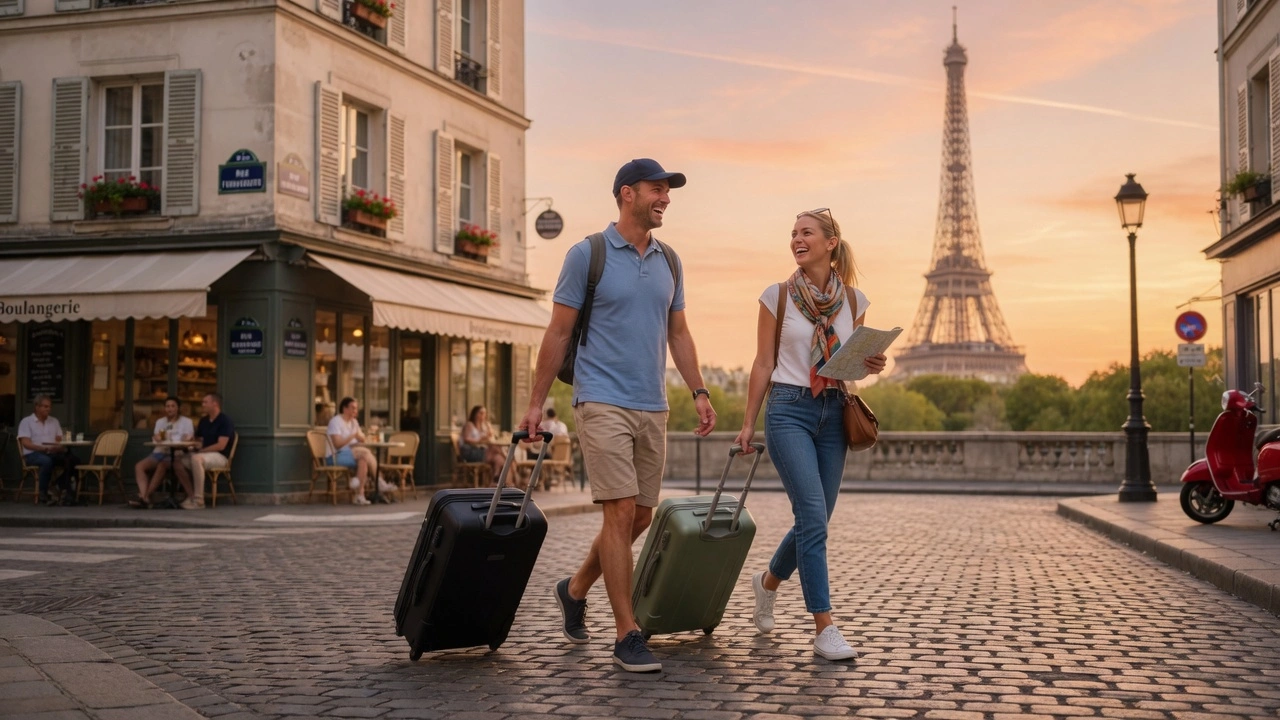
If you’re like me, you’ve spent weeks planning that perfect trip—maybe it’s a romantic getaway to Paris from New York, a family adventure in the Swiss Alps from Chicago, or a summer escape to Spain from London—and then suddenly the first couple of days are ruined by crushing jet lag, a stomach bug, or pure exhaustion. I’ve been there more times than I can count.
After flying hundreds of thousands of miles between the US and Europe (and a few other places), I finally figured out what actually works to Stay Healthy while traveling.
The good news is that staying Stay Healthy on the road doesn’t have to be complicated. You don’t need to pack a suitcase full of pills or stress about every little thing. A few smart habits can help you avoid common travel problems and enjoy your trip with more energy and less stress.
Practical Tips
In this guide, I’m sharing practical tips to beat jet lag, avoid food poisoning and traveler’s diarrhea, Stay Healthy hydrated, support your immune system, pack smart, and recover faster after your trip.
Whether you’re a frequent business traveler flying from JFK to Heathrow or visiting Rome for the first time, these tips will help you make the most of your hard-earned vacation time.
Why Stay Healthy While Traveling Matters
Travel is supposed to feel refreshing, not exhausting. Recent travel surveys show that nearly one in four Americans say digestive problems or exhaustion have ruined at least one vacation. And when you’re dealing with jet lag and a bad stomach, Stay Healthy you’re not just uncomfortable — you’re missing out on the experience you planned and paid for.
When your body is run down, your immune system also becomes weaker, making you more likely to catch illnesses in airports, airplanes, trains, or crowded tourist areas.
The good news is that a little preparation can reduce those risks significantly. Many of these tips are supported by guidance from the CDC’s Yellow Book (2026 edition) along with real-world travel experience.
Now let’s look at one of the biggest travel problems of all: jet lag.

Conquering Jet Lag: How to Reset Your Internal Clock Quickly
The more time zones you cross, the worse jet lag becomes. Flying east is usually harder than flying west (for example, New York to London or Los Angeles to Rome). Your body’s circadian rhythm gets disrupted, which can leave you wide awake at 3 a.m. local time or exhausted in the middle of the afternoon.
The CDC’s 2026 Yellow Book emphasizes that light exposure is the most powerful tool for resetting your body clock—here’s how to use it effectively.
Before You Leave (2–4 Days Early)
- Flying east? Go to bed and wake up one hour earlier each day.
- Flying west? Shift your bedtime and wake time one hour later each day.
During the Flight
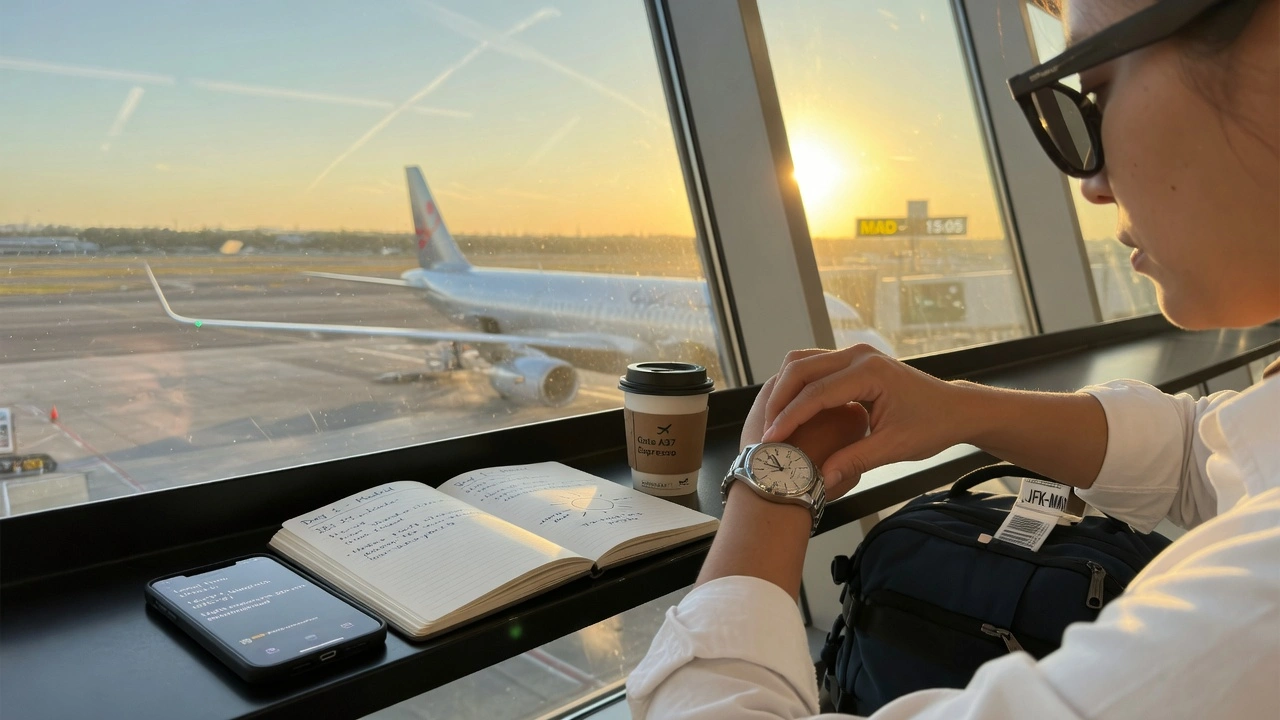
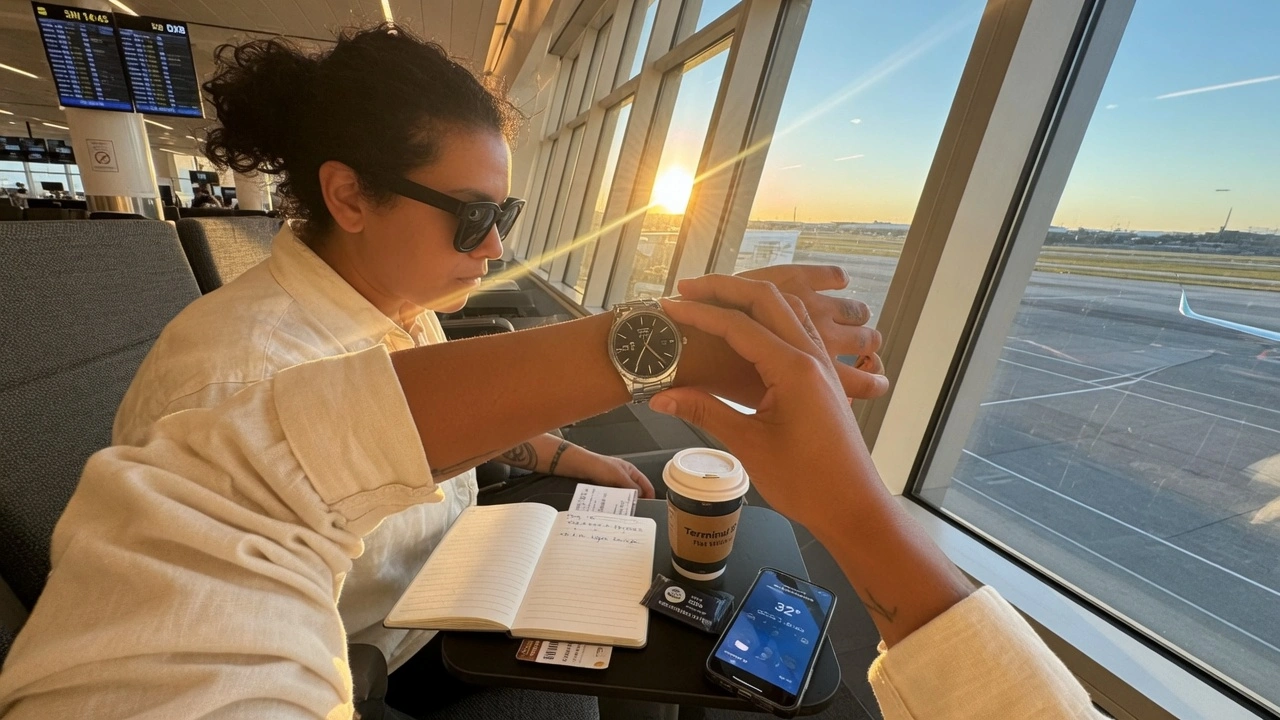
Once you board, set your watch to destination time. Try to eat and sleep according to your new time zone. Avoid alcohol, as it can worsen jet lag and Stay Healthy disrupt sleep quality. Stay Healthy hydrated throughout the flight.
After You Land
Get outside as soon as possible and expose yourself to natural light. Morning light is especially helpful when traveling east. The CDC also notes that tools like the Timeshifter app (featured in the 2026 Yellow Book) can help create a personalized light exposure schedule based on your flight and sleep pattern.
Using Melatonin Wisely
For eastbound travel, taking 0.5–3 mg of melatonin about 30 minutes before your target bedtime in the new time zone may help. While it is not a magic solution, it can be effective when combined with proper light exposure.
🕒 Quick Jet Lag Adjustment Reference
| Travel Direction | Time Zones Crossed | Best Adjustment Strategy (Before & During Travel) | Strategy After Arrival | Expected Recovery Time |
|---|---|---|---|---|
| East (USA → Europe) | 1–3 | Go to bed 30–60 minutes earlier each day before travel | Get morning bright light exposure | 1–2 days |
| East (USA → Europe) | 4–6 | Shift sleep schedule 1 hour earlier daily for a few days | Morning sunlight + optional melatonin at night | 3–4 days |
| East (USA → Europe) | 7+ | Gradually shift sleep 1–2 hours earlier over 3–4 days | Strict morning light, avoid evening light | 4–7 days |
| West (Europe → USA) | 1–3 | Go to bed 30–60 minutes later daily before travel | Evening light exposure | ~1 day |
| West (Europe → USA) | 4–6 | Shift sleep schedule 1 hour later daily | Late afternoon/evening sunlight for 2–3 days | 2–3 days |
| West (Europe → USA) | 7+ | Delay bedtime gradually over several days | Evening light, avoid early morning light | 3–5 days |
💡 Pro Tip
Short power naps (20–30 minutes) can help you Stay Healthy alert during adjustment, but avoid long daytime naps as they can delay your body clock reset.
Prevention of Food Poisoning and Traveler’s Diarrhea
Food poisoning or traveler’s diarrhea can quickly ruin a trip. In high-risk destinations, studies suggest that 30% to 70% of travelers may experience some form of digestive illness. Even in many parts of Europe, risks still exist if proper precautions are not followed.
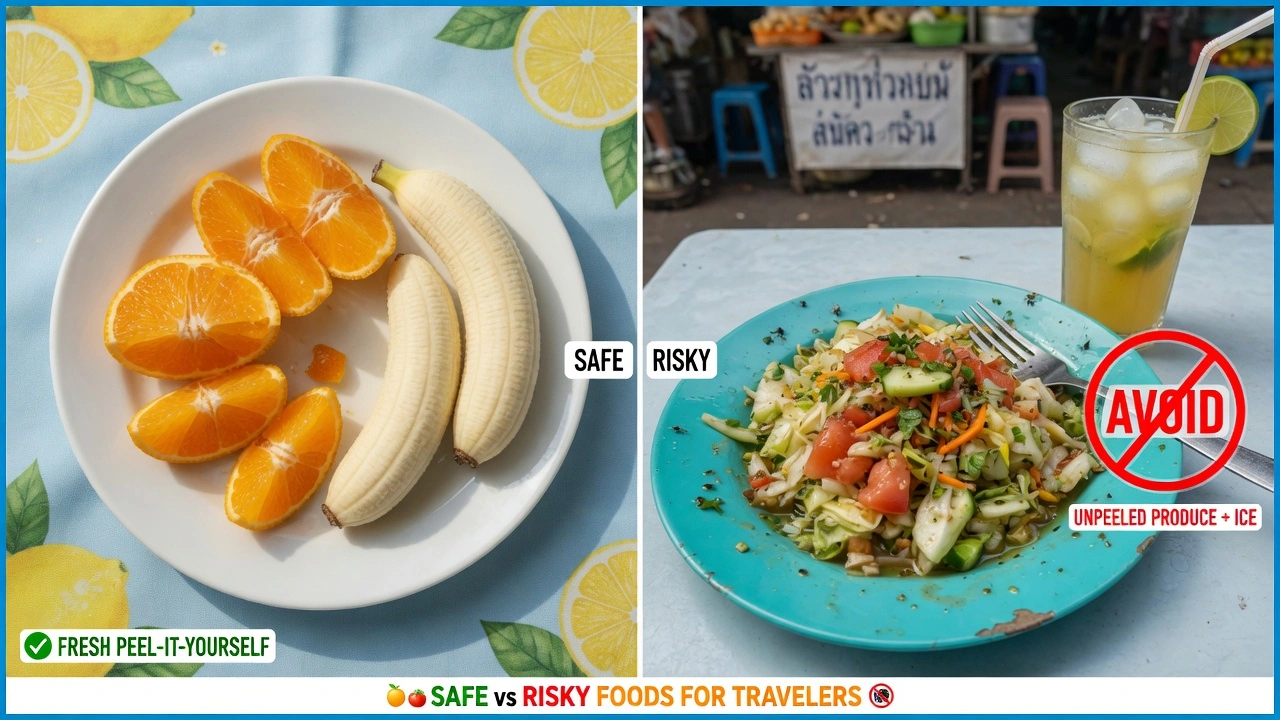
The CDC advises a simple rule: “Boil it, cook it, peel it, or forget it.”
What to Avoid
- Tap water and ice (even in some high-end restaurants)
- Raw or undercooked meat, fish, Stay Healthy or eggs
- Unpeeled fruits and vegetables
- Salads, fresh salsas, or any food left at room temperature
- Street food from vendors with poor hygiene practices
What Is Usually Safe
- Food that is thoroughly cooked and served hot
- Fruits you peel yourself (bananas, oranges, mangoes, etc.)
- Sealed or bottled drinks (always check the seal)
- Pasteurized dairy products
- Packaged snacks, bread, and hard-boiled eggs
🍽️ Food & Drink Safety Comparison Table
| Category | Generally Safe | High Risk – Avoid If Possible |
|---|---|---|
| Beverages & Water | Tea, coffee, soda, sealed bottled water | Tap water, ice, fountain drinks |
| Vegetables & Fruits | Fruits you peel yourself (bananas, oranges, mangoes) | Unpeeled fruits, salads, buffet-cut fruit |
| Protein & Meats | Fully cooked, steaming hot grilled or boiled meat | Raw or undercooked meat, street kebabs, sushi |
| Dairy Products | Pasteurized milk, hard cheese | Unpasteurized cheese, soft-serve ice cream |
| Other Foods | Freshly baked bread, packaged snacks | Buffet food left at room temperature, open condiments |
Hand Hygiene and What to Do If You Get Sick
Good hand hygiene is a non-negotiable travel habit. Keep a small bottle of hand sanitizer with at least 60% alcohol and use it before every meal. Stay Healthy Many travelers skip this simple step and end up regretting it within hours.
If you do get sick, focus on rehydration first. Oral rehydration salts can be extremely helpful in preventing dehydration and speeding up recovery. Stay Healthy If you develop symptoms such as fever or bloody stools, you should seek medical attention immediately.
Over-the-counter medications like loperamide (Imodium) can help slow symptoms, but they should be used carefully and not as a replacement for proper treatment when symptoms are severe.
Staying Hydrated and Maintaining Energy
Airplanes are very dry environments, with cabin humidity often dropping below 20%. To Stay Healthy hydrated, aim to drink at least 8 ounces of water for every hour you are in the air. Many frequent travelers bring an empty reusable bottle Stay Healthy through security and refill it at the airport before boarding.
On the ground, try to carry a water bottle with you throughout the day. While tap water is generally safe in many parts of Europe, it’s always best to confirm locally if you are unsure. If you are consuming caffeine or alcohol, or spending long hours walking, consider using electrolyte packets to maintain hydration.
Readmore How to Travel Solo Safely as a Beginner
Managing Motion Sickness and Other Common Travel Issues
When traveling by train through mountainous regions like the Alps or by ferry in the Mediterranean, motion sickness can occur. Remedies such as ginger chews, acupressure wristbands, and choosing a window seat can help reduce symptoms.
If you are traveling to high-altitude destinations such as the Swiss Alps, it is important to ascend gradually, Stay Healthy well hydrated, and allow your body time to adjust.
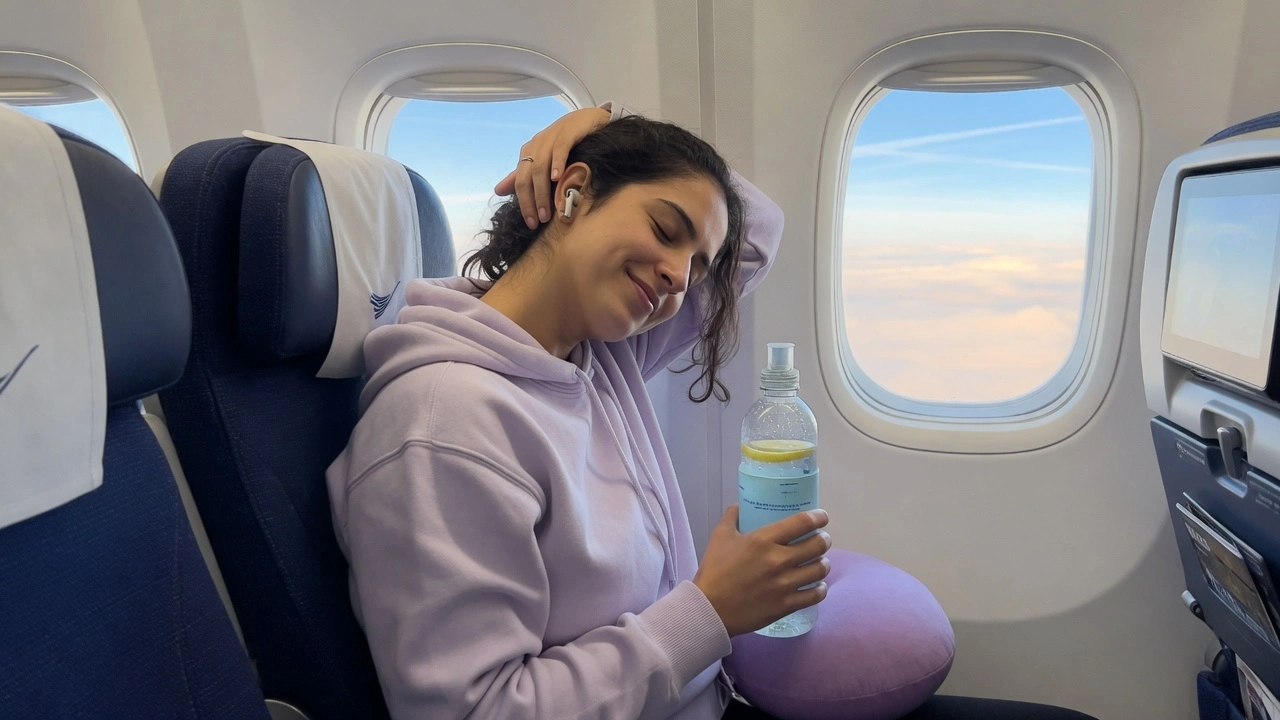
Boost Your Immune System While Traveling
Getting enough sleep and eating nutritious food whenever possible plays an important role in keeping your immune system strong during travel. A high-quality probiotic may also help support digestive health before and during your trip. Additionally, a daily multivitamin containing vitamin D and zinc can be beneficial, especially during colder months or low-sunlight travel.
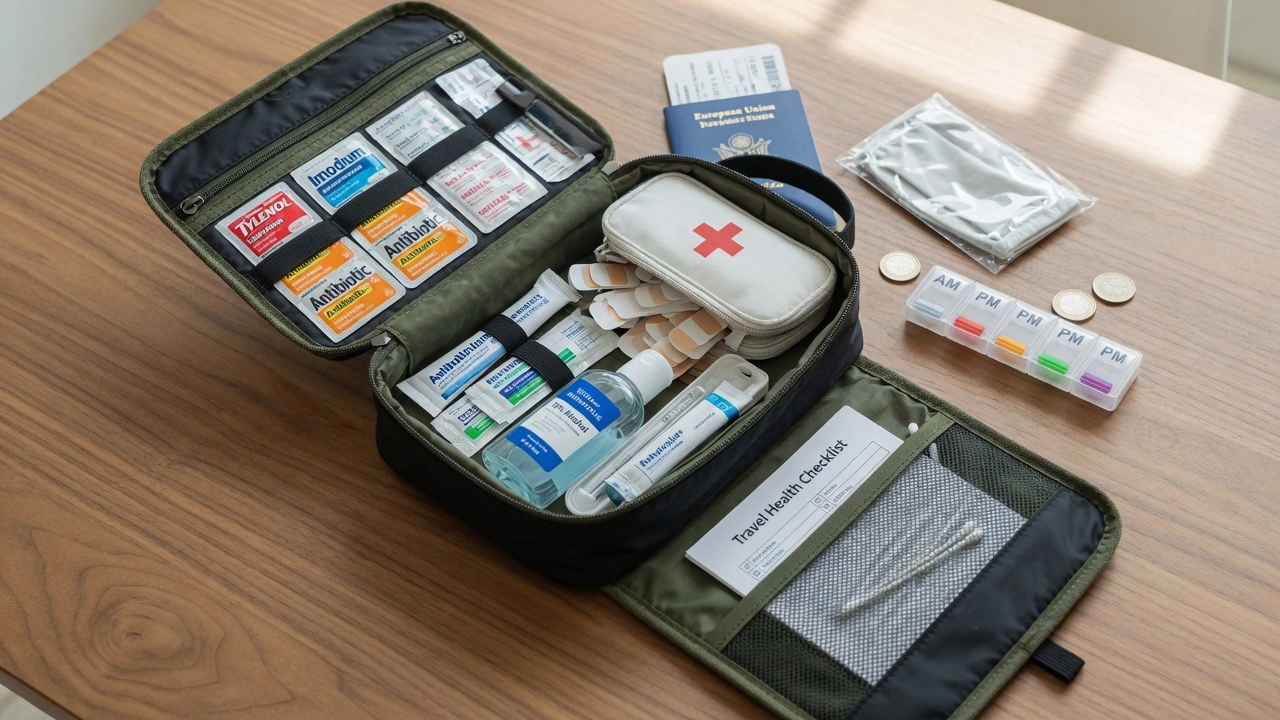
Essential Travel Health Kit Checklist
Do not leave home without a well-prepared travel health kit. Here are the key essentials every traveler
💊 Travel Health Kit – Essential Checklist
| Category | Items to Pack | Why It Matters |
|---|---|---|
| Digestive Health | Loperamide, probiotics, oral rehydration salts | Helps control diarrhea and prevents dehydration |
| Pain & Fever Relief | Ibuprofen, acetaminophen, anti-nausea medicine | Useful for headaches, body pain, and travel discomfort |
| First Aid | Bandages, antiseptic wipes, blister pads | For minor injuries, cuts, and walking-related blisters |
| Jet Lag & Sleep | Melatonin, earplugs, eye mask | Helps improve sleep quality and reduce jet lag |
| Miscellaneous | Hand sanitizer, insect repellent, prescription copies | Daily hygiene, protection, and emergency backup |
✅ CLEAN FINAL TABLE VERSION (Publish Ready)
💊 Travel Health Kit – Essential Checklist
| Category | Items to Pack | Why It Matters |
|---|---|---|
| Digestive Health | Loperamide, probiotics, oral rehydration salts | Helps stop diarrhea quickly and prevents dehydration |
| Pain & Fever Relief | Ibuprofen, acetaminophen, anti-nausea medicine | Useful for headaches, body pain, and travel discomfort |
| First Aid | Bandages, antiseptic wipes, blister pads | For cuts, minor injuries, and walking-related blisters |
| Jet Lag & Sleep | Melatonin, earplugs, eye mask | Helps improve sleep quality and adjust faster to new time zones |
| Miscellaneous | Hand sanitizer, insect repellent, copies of prescriptions | Provides daily protection and emergency backup |
🌿 Immune System Tip (Improved Version)
Getting enough sleep and eating nutritious food whenever possible can help support your immune system while traveling. A high-quality probiotic before Stay Healthy and during your trip may also support digestive health. In addition, a daily multivitamin containing vitamin D and zinc can be helpful, especially during winter or low-sunlight travel.

Final Thoughts
Stay Healthy while traveling doesn’t have to be complicated. With a little preparation, smart food and water choices, proper exposure to light for managing jet lag, and a well-stocked travel health kit, you can significantly reduce the chances of your trip being affected by illness or fatigue.
You’ve worked hard for this vacation—make sure Stay Healthy you take the right steps to protect it. Safe travels!
❓ Common Questions
1. How long does jet lag typically last?
Most people recover at a rate of about one day per time zone crossed. However, using proper sleep and light strategies can significantly reduce recovery time.
2. Is tap water drinkable in Europe?
In most Western European countries, tap water is safe to drink. However, it’s always best to confirm locally and avoid ice in areas where water safety is uncertain.
3. Should I take antibiotics before traveling as a precaution?
Preventive antibiotics are generally not recommended by the CDC. Instead, focusing on safe food and water practices is the preferred approach.
4. What is the best natural remedy for traveler’s diarrhea?
Stay Healthy hydrated and using probiotics can Stay Healthy help support recovery. In some cases, medications like bismuth subsalicylate (Pepto-Bismol) may also be useful.
5. Does melatonin really help with jet lag?
Yes, melatonin can help, especially for eastbound travel when taken at the correct time (typically 0.5–3 mg before bedtime in the new time zone).
6. Can I take my own food through airport security?
Yes, solid foods are generally allowed through airport security. However, liquids or gels over 3.4 oz (100 ml) are not permitted under TSA regulations.
7. How can I tell if my symptoms are serious?
Seek medical attention if you experience a fever above 102°F (38.9°C), blood in stool, or symptoms that persist for more than 48 hours.
8. Do compression socks help on long flights?
Yes, compression socks can help reduce swelling and lower the risk of deep vein thrombosis (DVT) during long flights of over 4 hours.
9. How can I eat street food safely?
Choose busy food stalls where meals are freshly cooked and served hot, as high turnover usually indicates better hygiene standards.
10. Do I need travel insurance for medical expenses?
es, travel insurance is highly recommended, especially when visiting Europe, where medical costs can be expensive for international travelers.
11. How early should I adjust my sleep before traveling for jet lag?
Starting 2–4 days before departure gives your body a better chance to adjust gradually to the new time zone.
12. What should I do if I get food poisoning on the first day of my trip?
Rest, Stay Healthy hydrated, and use medications like loperamide if necessary. Most mild cases resolve within 24–48 hours.
There you have it—everything you need to Stay Healthy while traveling. Drop your own travel health questions in the comments and I’ll answer them! Safe journeys from one traveler to another. ✈️

Michael James is an American travel writer and Europe visa specialist with 7+ years of experience helping U.S. citizens stay longer in Europe. Through real conversations with digital nomads, retirees, and expat families, he delivers clear, no-fluff guides on the latest 2026 Schengen rules, ETIAS, and the best long-stay visas. Follow his practical advice at TravelTipHub.