
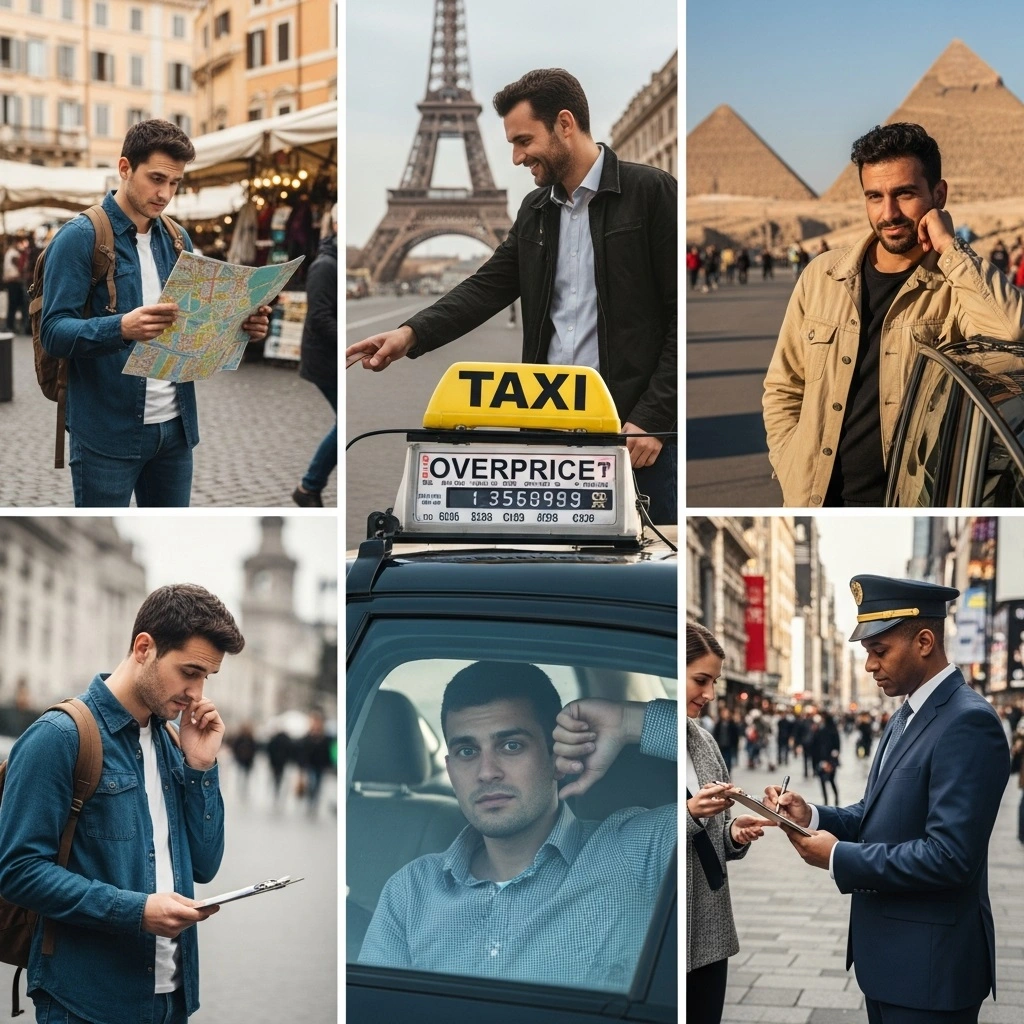
How to Avoid Tourist Scams in Major Destinations
Travel should be fun and memorable, not stressful because of scams and tourist traps. Whether you’re visiting Paris, Rome, Barcelona, New York, Bangkok, or any other popular destination in 2026, knowing the most common scams can help you travel more safely and confidently.
This complete guide shares practical, up-to-date strategies that actually work. Written in simple American English, it includes useful travel tips, comparison tables, and easy-to-follow advice to help you avoid common tourist scams during your trip.
Why Tourist Scams Are Always Evolving
Tourism has grown rapidly again in recent years, and unfortunately scammers take advantage of it. Crowded streets, tired travelers, and digital convenience create perfect opportunities for tourist scams.
Some travelers lose a small amount of money through quick tricks, while others lose hundreds or even thousands of dollars on fake bookings, tours, or transportation services.
The good news is that most scams follow similar patterns. Once you understand the common warning signs, they become much easier to recognize and avoid.


1. Pickpocketing & Distraction Scams
Pickpocketing scams often involve small groups working together. One person may distract you by spilling something, asking for help, or offering a “free” bracelet, while another quietly steals your wallet or phone.
These scams are common in busy tourist areas such as the Paris Metro, around the Colosseum in Rome, Las Ramblas in Barcelona, Prague’s Old Town, and Bangkok’s Khao San Road.
How to Stay Safe
- • se a crossbody bag and keep it in front of you
- • Store your phone and wallet in front zippered pockets
- • Avoid keeping valuables in your back pockets
- • Don’t accept items like flowers, bracelets, or “free” gifts from strangers
Pro Tip: A slash-resistant travel bag with RFID protection can add an extra layer of security in crowded areas.
2. Fake Taxi & Ride-Share Scams
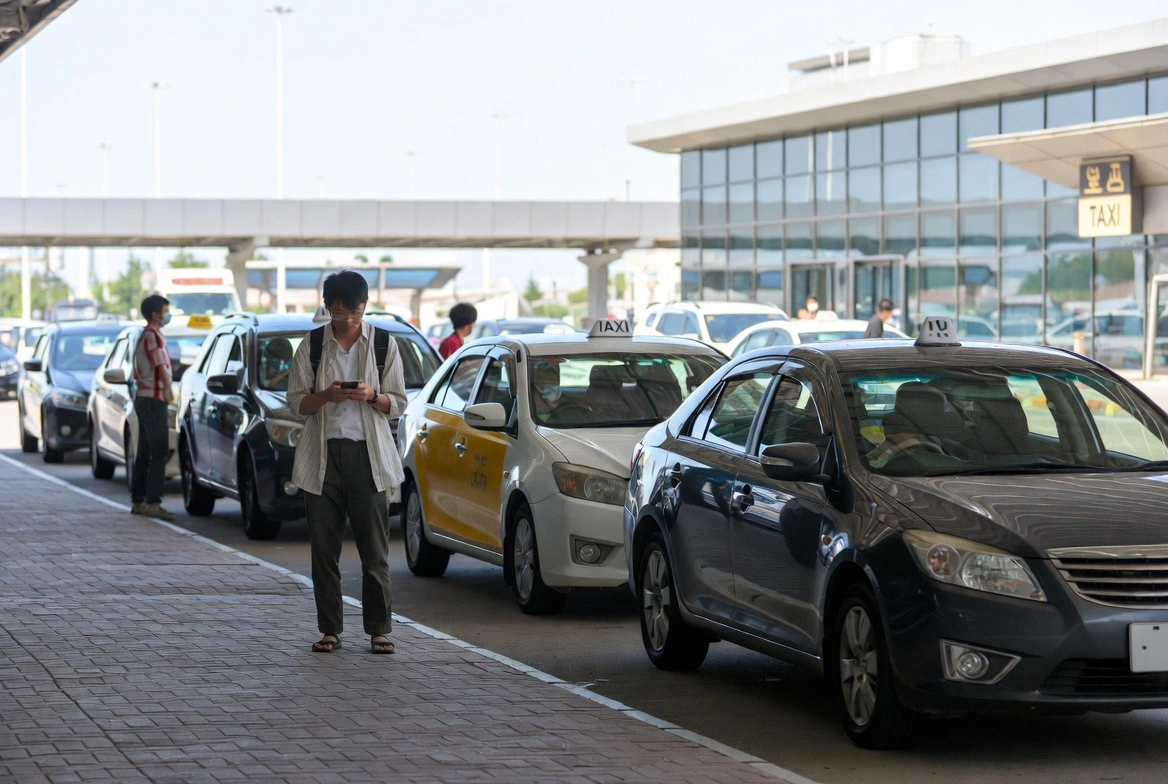
At airports or busy Tourist Scams areas, scammers may offer “cheap” rides and appear friendly. However, you may end up paying several times the normal fare or being taken on a longer, more expensive route.
How to Prevent
- • Always use official taxi stands or trusted ride-hailing apps such as Uber, Lyft, Bolt, or Grab
- • Never enter an unmarked or unofficial vehicle
- • If a meter is not available, agree on the fare before starting your trip
Real Taxi vs Scam Taxi
| Feature | Legitimate Taxi | Scam Taxi |
|---|---|---|
| Markings | Official license and clear taxi signs | No markings or fake plates |
| Meter | Working meter in use | “Broken” or refused meter |
| Driver | Professional, registered driver | Pushy, offers unofficial deals |
| Payment | App, card, or receipt provided | Cash only, no receipt or change given |
| Route | Direct and logical route | Long or unnecessary scenic route |
3. Overcharging at Restaurants and Shops
Some restaurants and Tourist Scams shops may use hidden charges or unclear pricing to overcharge visitors. This can include menus without prices, unexpected service fees, or “special” items that cost far more than expected.
How to Protect Yourself
- • Always check menu prices before sitting down
- • Keep your payment card in sight at all times
- • Prefer restaurants where locals eat, usually a few streets away from major Tourist Scams attractions
- • Use cash for small payments when possible
Restaurant Red Flags
| Red Flag | What It Usually Means | What You Should Do |
|---|---|---|
| No menu prices | Prices may be inflated or changed later | Always ask for a menu with clear prices or choose another restaurant |
| Card taken away | Risk of card skimming or fraud | Pay directly at the table in front of you |
| Extra “cover” or service charge | Hidden or unexpected fees added to bill | Check local tipping and service charge customs before ordering |
| Pressure to order “specials” | Overpriced or Tourist Scams-only items | Stick to regular menu items shown on the menu |

4. Counterfeit Tickets & Tour Scams
In popular Tourist Scams areas, street sellers may offer “discounted” or “skip-the-line” tickets. However, many of these are fake or unofficial and may not be valid at the entrance.
Best Defense
- • Only purchase tickets from official attraction websites
- • Use trusted platforms such as GetYourGuide or Viator
- • Avoid buying tickets from street vendors near Tourist Scams attractions
- • Be cautious of anyone approaching you with “special deals” or urgent offers
5. Flower and Friendship Bracelet Scams
This scam is common near places like Sacré-Cœur in Paris and the Spanish Steps in Rome. Vendors may try to place bracelets on your wrist or hand you flowers, and then demand payment afterward.
The simple rule is to stay polite but firm—say “No, thank you” and keep walking without stopping or engaging.
6. Fake Police or Official Scams
In this scam, someone pretending to be a police officer or official may ask to check your wallet or money for counterfeit notes.
What to Do
- • Real police officers will not randomly stop Tourist Scams and demand to see their wallet
- • Ask to see official identification and suggest going to a police station if needed
- • Keep a photocopy of your passport instead of carrying the original everywhere
7. Accommodation Booking Fraud
In this scam, travelers arrive at a hotel or Airbnb they booked online, only to discover that the property does not exist or the booking was fake.
Prevention Steps
- • Always book through trusted and verified platforms
- • Carefully read recent reviews before confirming
- • Use a credit card for better buyer protection
- • Contact the property directly to confirm your reservation
Accommodation Booking Fraud – Prevention Guide
| Prevention Step | What You Should Do |
|---|---|
| Book through trusted platforms | Always use verified websites or well-known booking apps |
| Check recent reviews | Read the latest guest reviews before confirming any booking |
| Use credit card | Helps with buyer protection and chargebacks if something goes wrong |
| Confirm directly with property | Contact the hotel or host to verify your reservation details |
Common Scam Cities and Safety Tips (2026)
| City | Common Scams | Best Safety Tips |
|---|---|---|
| Paris, France | Pickpocketing, bracelet scams | Use front-zip bags and avoid street vendors |
| Rome, Italy | Fake tickets, taxi scams | Only use official websites and licensed taxis |
| Barcelona, Spain | Pickpocketing in crowded areas | Stay alert in tourist hotspots like Las Ramblas |
| Bangkok, Thailand | Tuk-tuk overcharging, gem scams | Use Grab app and avoid street offers |
| New York, USA | Fake rideshares, Tourist Scams traps | Use Uber and stick to official attractions |

8. Digital Scams – Fake Links, QR Codes & Phishing
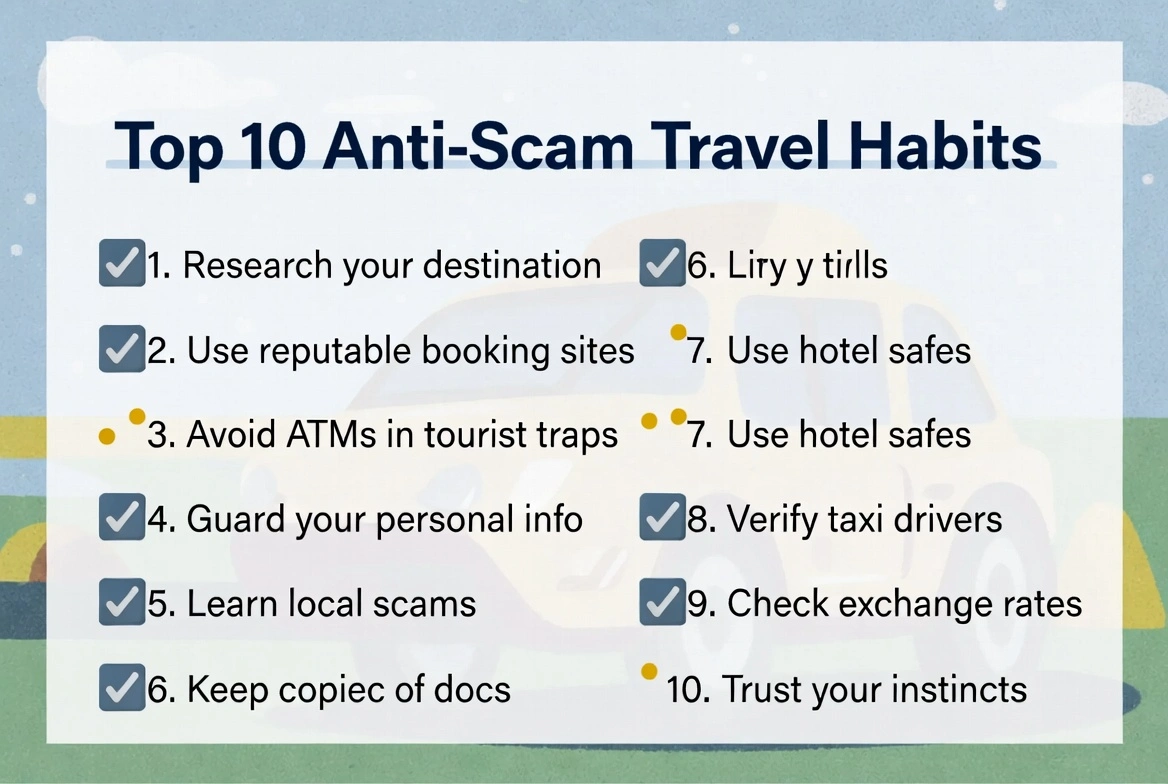
Digital scams are becoming more common in Tourist Scams areas. These include fake QR codes on menus, malicious links, and phishing emails asking you to confirm bookings or payments.
Smart Habits to Stay Safe
- • Enter website addresses manually instead of clicking unknown links
- • Use a reliable VPN when connected to public Wi-Fi
- • Enable two-factor authentication on important accounts
- • Always verify booking confirmations directly with the official company
Daily Safety Habits for Travelers
- • Keep your cash and cards in separate places
- • Use offline maps and translation apps when possible
- • Consider travel insurance for added protection
- • Dress comfortably and try to blend in with locals
- • Share your travel itinerary with a trusted friend or family member
Traveler’s Tales
Many travelers from the United States and Europe have reported experiences with common scams such as the Paris bracelet trick or taxi overcharging in Rome. In one instance, a couple reportedly lost around €180 after purchasing fake Colosseum tickets. In Bangkok, another traveler avoided a potential $400 loss by using the Grab app instead of an unlicensed tuk-tuk.
These real-world examples highlight how awareness and smart decision-making can help you avoid common tourist scams.
Readmore 10 Best Budget Travel Tips for 2026
Summary
Travel is one of the most rewarding experiences, but staying alert and well-informed is essential. With a bit of preparation and awareness, most common scams can be avoided, allowing you to enjoy your trip with confidence.
Travel safely and stay aware.
FAQ – Frequently Asked Questions
Q1: What should I do immediately if I get scammed?
Report the incident to the local police and contact your credit card company as soon as possible. Take photos or screenshots of any relevant evidence.
Q2: Are American and European Tourist Scams more targeted?
Yes, in many Tourist Scams destinations they are often seen as having more money. However, staying aware and cautious significantly reduces the risk.
Q3: Is travel insurance worth it for scams?
Most travel insurance policies cover theft and certain travel-related issues. It is important to carefully read the policy details before purchasing.
Q4: Should I carry a lot of cash while traveling?
No. It is better to use cards and digital payment methods for most expenses and keep only a small amount of cash for emergencies.
Q5: How can I recognize a real tour guide?
Look for official identification badges and book only through reputable companies with verified reviews.
Q6: Are scams getting worse in 2026?
Digital scams have increased in recent years, but most can be avoided with proper awareness and preparation.
Q7: What are the best apps for safe travel?
Popular and useful apps include Uber, Bolt, Grab, Google Maps (offline mode), XE Currency, and trusted VPN services.
Q8: What should I keep in mind when traveling with kids or family?
Keep children close in crowded areas and explain basic safety rules before visiting busy tourist spots.
Q9: Is it safe to consume alcohol while traveling?
Yes, but it is important to stay alert, especially at night or in unfamiliar environments.
Q10: What is the golden rule to avoid scams?
If something feels too good to be true or slightly suspicious, it is best to walk away.

Michael James is an American travel writer and Europe visa specialist with 7+ years of experience helping U.S. citizens stay longer in Europe. Through real conversations with digital nomads, retirees, and expat families, he delivers clear, no-fluff guides on the latest 2026 Schengen rules, ETIAS, and the best long-stay visas. Follow his practical advice at TravelTipHub.