

Safe Solo Travel in USA National Parks
Hello, adventurer! If you’re dreaming of hitting the trails alone, breathing in that crisp mountain air, and soaking up some of America’s most jaw-dropping scenery without a travel buddy, you’re not alone. Solo travel in U.S. national parks is booming right now—and for good reason. Whether you’re a first-timer from New York City or a European adventurer flying in from London or Berlin, these wild spaces offer freedom, self-discovery, and memories that’ll last a lifetime.
But here’s the truth: safety isn’t optional when you’re going solo. One wrong turn, a sudden weather shift, or a surprise wildlife encounter can turn an epic trip into a stressful story. That’s exactly why I’ve put together this ultimate 2026 guide to safe solo travel in U.S. national parks. I’ve pulled together the latest National Park Service (NPS) guidelines, real traveler insights, and practical tips so you can explore with total confidence.
Why Solo Travel in USA National Parks Is Exploding in 2026
Solo travel is no longer just a trend — it’s a full-blown movement. According to recent travel reports, U.S. searches for “solo travel near national parks” jumped 35% heading into 2026. Europeans are jumping on board too, with more travelers from the UK, Germany, France, and beyond booking bucket-list trips to places like Yellowstone and Yosemite.
Why? Because national parks put you in complete control. No haggling over the itinerary. No waiting for someone else to wake up. It’s just you, the trail, and nature doing its thing.
But that freedom comes with responsibility. The National Park Service handles thousands of search-and-rescue missions every year, many involving unprepared solo hikers. The good news? With smart planning, you can dramatically cut those risks.
Best U.S. National Parks for Safe Solo Travel in 2026
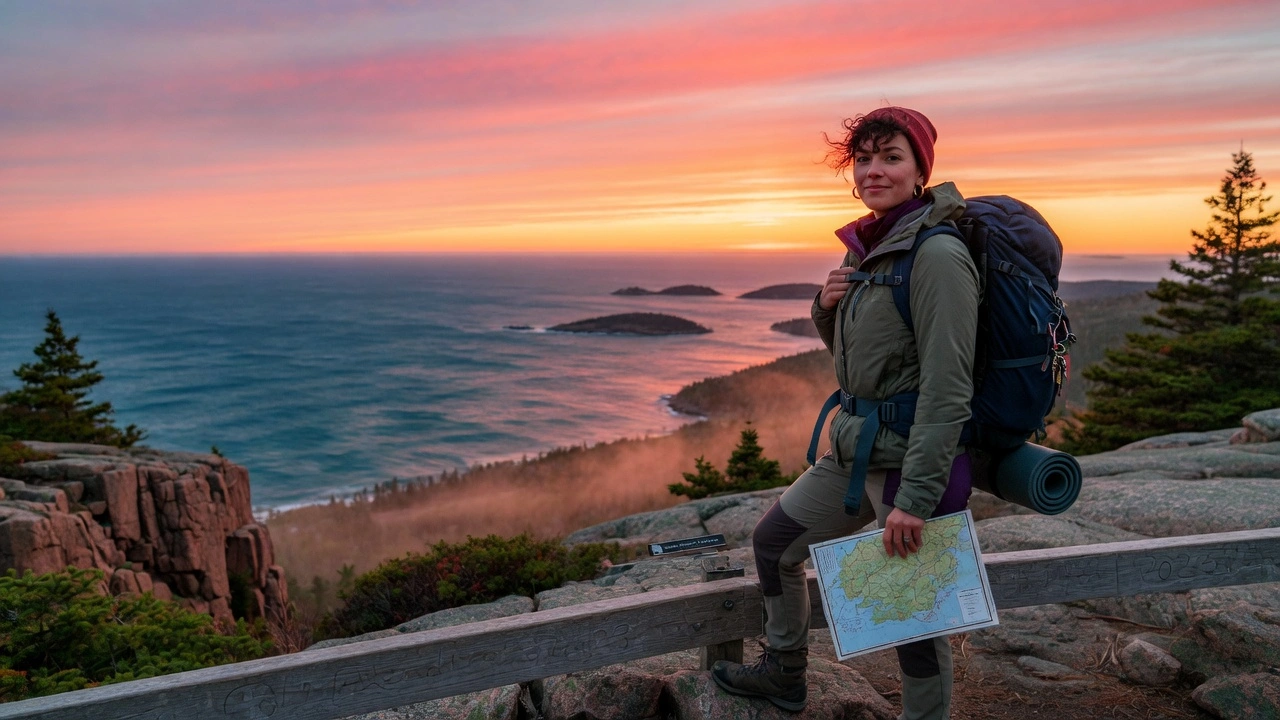
Not every national park is equally solo-friendly. Some have better cell coverage, more ranger presence, and easier trails. Here’s my handpicked list of the best ones for Safe Solo Travel adventures in 2026, based on accessibility, crowd levels, safety infrastructure, and variety of experiences.
| Park Name | Location | Why It’s Great for Safe Solo Travel | Best Solo Activities | Solo Difficulty Level | 2026 Entry Tip |
|---|---|---|---|---|---|
| Acadia National Park | Maine | Excellent cell service, short scenic trails, ranger programs | Cadillac Mountain sunrise, carriage road biking | Beginner-Friendly | Book timed entry early |
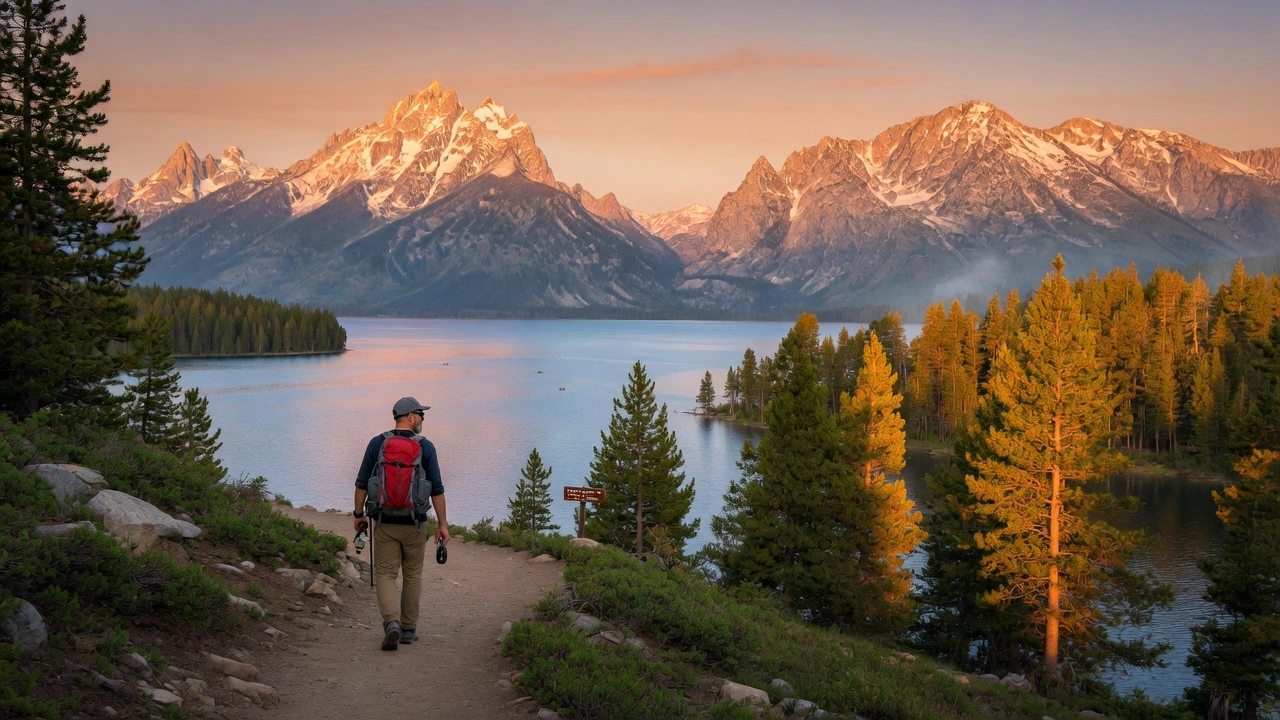
| Grand Teton National Park | Wyoming | Stunning views with good trail networks, bear spray stations | Jenny Lake boat + hike, wildlife watching | Intermediate | Pair with nearby Jackson for supplies |
| Sequoia & Kings Canyon | California | Giant trees provide natural “company,” well-marked trails | General Sherman Tree trail, Moro Rock | Beginner to Advanced | America the Beautiful Pass recommended |
| Great Smoky Mountains | Tennessee/North Carolina | No entry fee, high visitor traffic means help is nearby | Clingmans Dome, waterfall hikes | Beginner-Friendly | Go mid-week to avoid crowds |
| Zion National Park | Utah | Shuttle system reduces isolation, popular trails | Angels Landing (permit required), The Narrows | Intermediate | Check shuttle schedule |
| Yosemite National Park | California | Iconic but busy in summer — safety in numbers | Yosemite Valley loops, Half Dome (permit) | Advanced | Avoid peak summer if you’re a beginner |
| Glacier National Park | Montana | Epic scenery but requires bear awareness training | Going-to-the-Sun Road drives | Intermediate | Always carry bear spray |
| Black Canyon of the Gunnison | Colorado | Less crowded, short rim trails, dramatic views | Rim Rock Trail, stargazing | Beginner-Friendly | Perfect for introverts |
These parks strike the perfect balance between real wilderness and solid support systems — ideal for solo travelers from the U.S. or Europe.
Essential Safety Tips Every Solo Traveler Must Know
Safety is 90% preparation. Follow these non-negotiable rules and you’ll dramatically lower your risks.
1. Tell Someone Your Plans (The #1 Rule)
Before you leave your hotel or campground, share your exact itinerary with at least two people back home — plus a trusted local contact if possible. Include:
- Which trails you’re hiking
- Your expected return time
- Your car’s color and license plate
When cell service drops (and it will in most parks), use apps like Garmin inReach or ZOLEO for satellite messaging.
2. Master the 10 Essentials
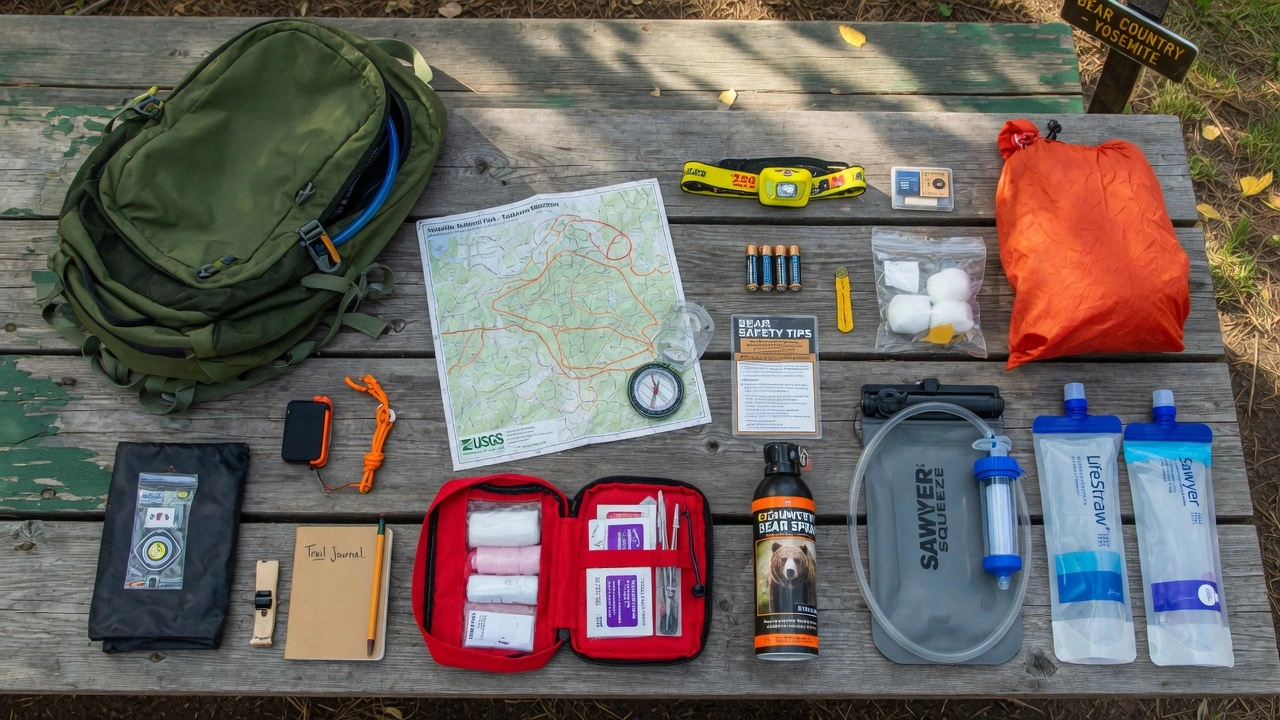
The National Park Service swears by these — never leave without them.
| Category | Must-Have Items |
|---|---|
| Navigation | Map, compass, GPS app (downloaded for offline use) |
| Sun Protection | Sunscreen, hat, sunglasses |
| Insulation | Extra layers, rain jacket |
| Illumination | Headlamp + extra batteries |
| First Aid | Blister kit, bandages, pain relievers, tweezers |
| Fire | Lighter, waterproof matches |
| Repair Kit | Duct tape, knife or multi-tool |
| Nutrition | Extra day’s food (energy bars, nuts) |
| Hydration | Water filter or purification tablets + 2 liters |
| Emergency Shelter | Space blanket or lightweight bivy sack |
3. Wildlife Safety — Especially Bears
In bear country (Yellowstone, Glacier, and Grand Teton), you need to show extra respect. Never hike alone in deep backcountry without bear spray. Make noise every few minutes so you don’t surprise them, and always store your food properly in bear boxes or hang it correctly.
Readmore Top Regenerative Tourism Destinations in the USA and Europe for 2026
According to recent NPS data, bear attacks are actually pretty rare — about one injury per 3.6 million visits in Yellowstone. Most incidents happen to Safe Solo Travel hikers who startled the animal. Statistically, groups of three or more are much safer.
4. Navigation & Tech Hacks
- Download AllTrails Pro or Gaia GPS for offline maps
- Always carry a physical paper map as backup
- Turn on location sharing before you lose cell signal
- For serious wilderness, consider a personal locator beacon (PLB)
5. Weather, Health & Mental Prep
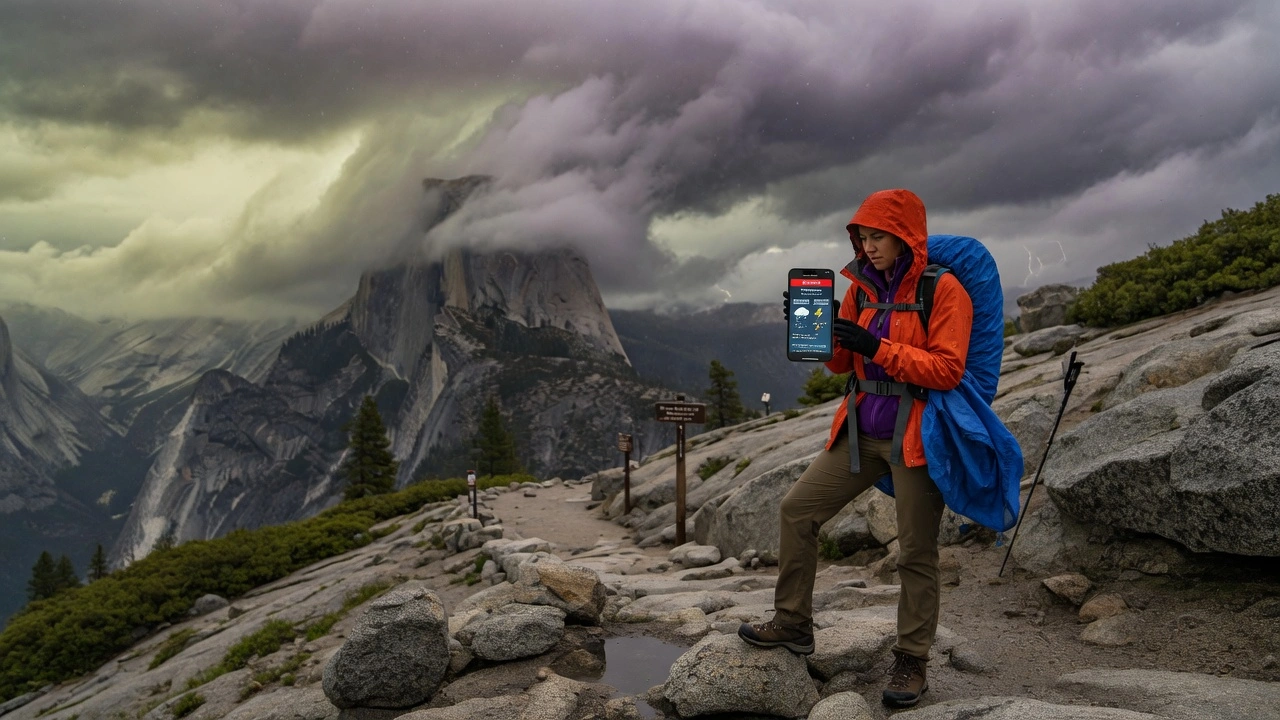
Mountain weather can change in minutes, so check the forecast obsessively. Know your physical limits, and yes — it’s completely normal to feel a little nervous when you’re Safe Solo Travel. That’s part of the growth.
Common Risks and How to Avoid Them
Here’s a quick risk breakdown for Safe Solo Travel— and exactly how to stay safe:
| Risk | Likelihood for Solo Travelers | Prevention Strategy |
|---|---|---|
| Getting Lost | High | Offline maps + always tell someone your exact route |
| Dehydration/Heat | Medium-High | Carry 1 liter per 2 hours + electrolyte tabs |
| Wildlife Encounter | Medium | Bear spray + make noise + keep your distance |
| Twisted Ankle / Injury | Medium | Wear proper hiking boots + carry a solid first aid kit |
| Vehicle Breakdown | Low-Medium | Keep your gas tank full + carry an emergency roadside kit |
2026 Budget-Friendly Solo Travel Tips
- Grab an America the Beautiful Pass ($80 for U.S. residents / $250 for international visitors, including Europeans) — this gives you unlimited entry to nearly all national parks for a full year.
- Camp instead of staying in hotels (many campsites are under $30 per night)
- Europeans: Fly into easy-access hubs like Denver or Salt Lake City for the quickest park access
- Book your campsites up to 6 months in advance on Recreation.gov
Sample 7-Day Safe Solo Travel Itinerary (Grand Teton + Yellowstone)
Days 1–3: Base in Jackson, Wyoming Focus on Grand Teton National Park — do the Jenny Lake boat ride + hike and visit Mormon Row for those classic barn photos with the Tetons in the background.
Days 4–7: Drive north to Yellowstone National Park Hit the must-see spots like Old Faithful and Grand Prismatic Spring (stay on the boardwalks for safety and to protect the delicate features!). Take it easy, enjoy the geysers, and always keep wildlife at a safe distance.
Final Thoughts: You’ve Got This!
Safe Solo Travel in U.S. national parks isn’t about being fearless — it’s about being prepared. Every year, thousands of people just like you head out alone and come home stronger, happier, and with stories they’ll tell for the rest of their lives.
Pack smart, stay alert, trust your gut, and remember: the parks are waiting for you.
-
Ready to book your trip?
Start with one park from the list above and build from there.
FAQ: Safe Solo Travel in U.S. National Parks
Is it safe for women to travel alone in U.S. national parks?
Yes — millions of women do it every year. Stick to popular trails during daylight hours, share your plans, and trust your instincts. Parks like Acadia and Great Smoky Mountains are especially welcoming.
What’s the biggest danger when hiking Safe Solo Travel?
Getting lost or injured without quick help. That’s exactly why the 10 Essentials and telling people your plans are the most important things you can do.
Do I need bear spray for every park?
Only in bear country (Yellowstone, Glacier, Grand Teton, and similar areas). Always check the park’s official website before you go.
Can beginners do a Safe Solo Travel national park trip?
Absolutely! Start with easier parks like Acadia or Black Canyon of the Gunnison and stick to short, well-marked trails.
What should I do if there’s no cell service?
Download offline maps ahead of time, carry a satellite communicator, and always keep a physical paper map as backup.
What’s the best time of year for safe solo travel?
The shoulder seasons — May–June or September–October. Fewer crowds and milder weather make everything more relaxed and safer.
Should I join ranger-led programs?
Yes! They’re free, super informative, and a great way to meet people without committing to a full group hike.
How much does a Safe Solo Travel national park trip cost?
Plan on spending $150–300 per day for gas, food, and camping. The America the Beautiful Pass is one of the best ways to save money.
Are there any parks I should completely avoid Safe Solo Travel?
None are totally off-limits, but remote Alaska parks (like Gates of the Arctic) require advanced backcountry experience and are not recommended for beginners.
What apps should every solo traveler download?
AllTrails Pro, Gaia GPS, the official NPS app, and a satellite messenger app (like Garmin inReach).
How do I stay safe from animals like mountain lions?
Make yourself look big, maintain eye contact, and back away slowly. Never run.
Can I camp alone in national parks?
Yes — most campgrounds are very solo-friendly. Choose developed sites with other campers nearby for extra peace of mind.
What if I get injured while Safe Solo Travel hiking?
Stay calm, use your first aid kit, activate your emergency beacon if you have one, and stay put if possible so rescuers can find you.
Is there anything special European visitors need?
Just a valid passport and ESTA (if you’re from a visa-waiver country). Book your rental car early.
Is Safe Solo Travelin national parks lonely?
It can feel that way at first, but most people find it incredibly empowering. The trail community is surprisingly friendly.

Michael James is an American travel writer and Europe visa specialist with 7+ years of experience helping U.S. citizens stay longer in Europe. Through real conversations with digital nomads, retirees, and expat families, he delivers clear, no-fluff guides on the latest 2026 Schengen rules, ETIAS, and the best long-stay visas. Follow his practical advice at TravelTipHub.