

Budget Travel Tips for Europe
Hey fellow traveler! If you’ve been dreaming about exploring Europe in 2026 but feel worried about the cost, you’re not alone. From the historic streets of Prague to the beaches of Portugal and the mountain towns of the Alps, Europe can feel expensive—but smart planning can make it surprisingly affordable.
Over the past few years, I’ve traveled through several European countries on a limited budget, including parts of Eastern Europe where daily expenses stayed under $50. I also learned how small choices—like traveling during shoulder season, using public transportation, and booking budget airlines early—can save hundreds of dollars.
In this guide, I’ll share practical budget travel tips for Europe in 2026, including average daily costs, affordable destinations, transportation advice, cheap accommodation ideas, food tips, and common mistakes to avoid. Whether you’re planning your first Europe trip or another backpacking adventure, these tips can help you travel smarter without overspending.

Why 2026 Is a Good Year for Budget Travel in Europe
Europe has never been known as the cheapest travel destination, but 2026 offers several advantages for travelers trying to explore on a budget. Travel costs in many parts of Europe have become more stable compared to previous years, while budget airlines continue expanding routes across the continent. Eastern and Southern European countries still remain more affordable than many Western European destinations, and even popular cities now offer good off-season deals.
Travelers from the United States and Canada are also finding more affordable flight options, especially when flying midweek or choosing secondary airports instead of major hubs. In countries like Portugal, Poland, and Hungary, daily expenses can still be relatively manageable for budget-conscious travelers.
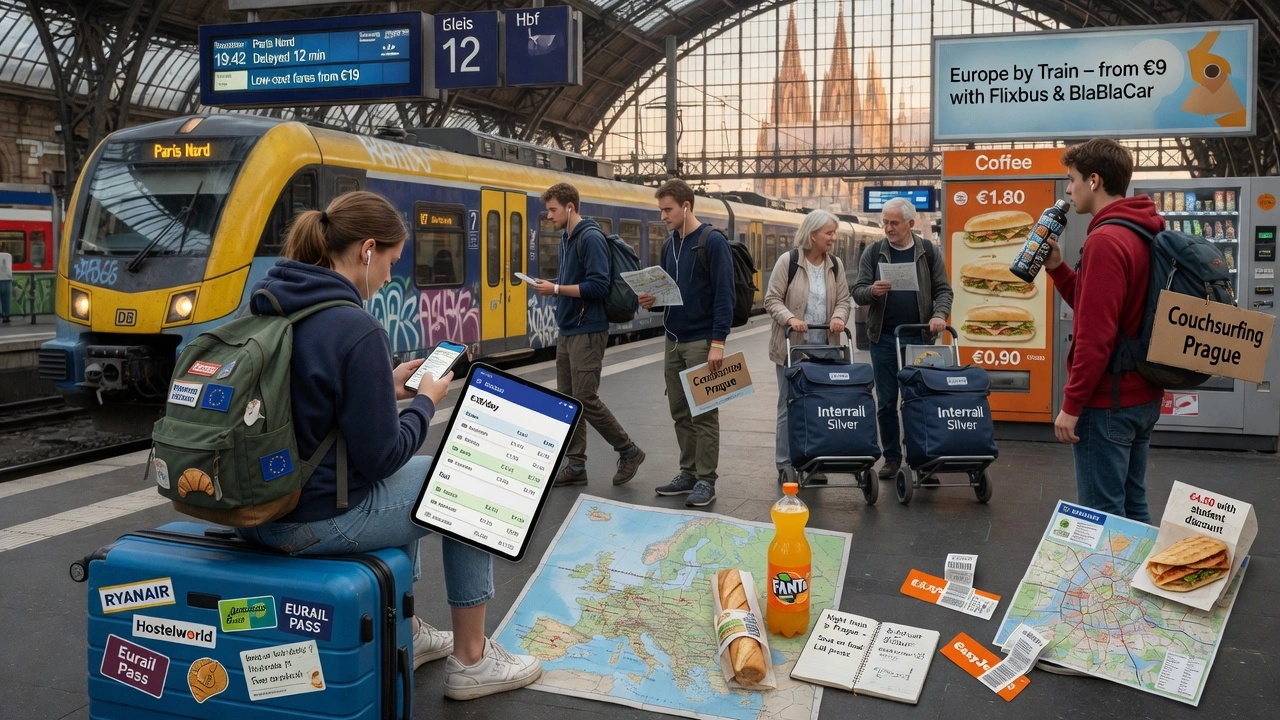
One of the biggest ways to save money in 2026 is traveling during the shoulder season. Months like April to June and September to October usually offer pleasant weather, fewer tourists, and lower hotel prices compared to peak summer months. Winter travel can reduce costs even further in many cities, especially outside the Christmas and New Year period.
Overall, travelers who stay flexible with dates and destinations can save a significant amount of money while still enjoying many of Europe’s best experiences.
How to Plan a Realistic Europe Travel Budget for 2026
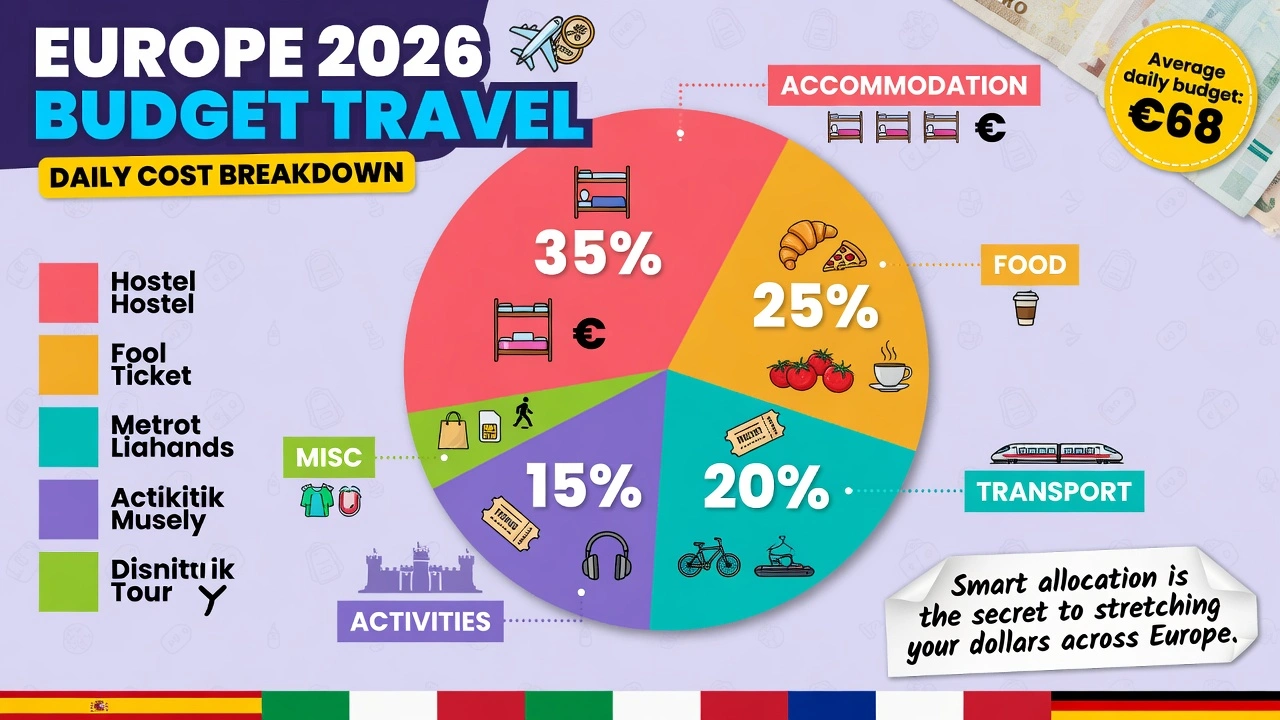
Before planning your trip, it’s important to understand how much you’ll realistically spend each day in different parts of Europe. Costs can vary significantly depending on the region, travel style, and season.
| Region | Backpacker Budget (Per Day) | Mid-Range Budget (Per Day) | What’s Usually Included |
|---|---|---|---|
| Eastern Europe (Poland, Hungary, Romania, Bulgaria) | $40–$60 | $80–$110 | Hostel stays, local food, public transport, free attractions |
| Southern Europe (Portugal, Spain, Greece, Croatia) | $55–$75 | $100–$140 | Budget hotels or Airbnb, mixed dining, occasional train Budget Travel |
| Western/Central Europe (France, Germany, Italy) | $70–$100 | $130–$180 | Private rooms, restaurants, city transportation passes |
| Northern Europe (Scandinavia, UK) | $90–$130 | $160–$220 | Hostel dorms, supermarket meals, careful daily budgeting |
One strategy many Budget Travel use is combining cheaper Eastern European destinations with a few popular Western European cities. This can help keep average daily expenses around $60–$80 overall.
For a two-week Europe trip in 2026, many Budget Travel can expect to spend roughly $1,200–$1,800 per person before international flights, depending on their travel style and itinerary.
Best Time to Visit Europe on a Budget in 2026
If saving money is your top priority, it’s best to avoid June to August due to high prices and heavy tourist crowds. During these months, accommodation and flights are usually at their peak.
Shoulder Season (April–June & September–October):
This is generally considered the best time for Budget Travel . The weather is pleasant, prices are usually 20–40% lower than peak season, and daylight hours are still long enough to enjoy sightseeing comfortably.
Off-Season (November–March):
This is the cheapest time to visit Europe in terms of flights and accommodation. It is ideal for city breaks in places like Berlin, Budapest, or Lisbon. However, Budget Travel should be prepared for colder weather and should pack accordingly.
It is also best to avoid Christmas, New Year, and other major holidays, as prices tend to increase significantly during these periods.
For 2026, booking flights and accommodation around 3–6 months in advance can help secure the best deals.
Choosing the Most Affordable Destinations in Europe 2026
Here are the real budget champions right now:
| Rank | Country / City | Avg. Daily Cost | Must-See on a Budget | Why It’s a Steal |
|---|---|---|---|---|
| 1 | Bulgaria (Sofia/Plovdiv) | $35–$50 | Free walking tours, ancient ruins | Cheapest in EU |
| 2 | Romania (Bucharest/Transylvania) | $40–$55 | Castles, mountains, vampire vibes | Epic for pennies |
| 3 | Poland (Krakow/Warsaw) | $45–$60 | Historic squares, free museums | Culture overload |
| 4 | Hungary (Budapest) | $45–$65 | Thermal baths, ruin bars | Nightlife heaven |
| 5 | Albania (Tirana/Saranda) | $40–$55 | Stunning beaches, Ottoman towns | Still undiscovered |
| 6 | Portugal (Lisbon/Porto) | $55–$75 | Trams, pastel de nata, ocean views | Best value in Western Europe |
| 7 | North Macedonia | $35–$50 | Lakes, mountains, ancient sites | Europe’s hidden gem |
| 8 | Serbia (Belgrade) | $45–$60 | Vibrant capital, river cruises | Amazing food scene |
Mix two cheap Eastern spots with one Southern gem and you’ll have the perfect itinerary.

Best Time to Visit Europe on a Budget in 2026
If saving money is your top priority, avoid the peak summer months of June through August. That’s when hotel prices and flight tickets skyrocket, and tourist lines become unbearably long.
Shoulder Season (April–June and September–October) This is my personal favorite time to visit Europe. You’ll enjoy pleasant weather, fewer crowds, and prices that are 20–40% lower than peak season. Plus, you still get long daylight hours for sightseeing.
Off-Season (November–March) This is the cheapest time for flights and accommodations. It’s perfect for city breaks in places like Berlin, Budapest, Prague, or Lisbon. Just pack layers and a good coat! Important tip: Avoid Christmas, New Year, and other major holidays, because prices can double or even triple during those weeks.
Pro Booking Tip for 2026 The best deals usually appear when you book 3 to 6 months in advance. Set your calendar and start watching flight prices early.
The Cheapest Places to Budget Travel in Europe in 2026
Here are the real budget champions right now—the places where you can Budget Travel comfortably for under $75 per day.
| Rank | Country / City | Avg. Daily Cost | Must-See on a Budget | Why It’s a Steal |
|---|---|---|---|---|
| 1 | Bulgaria (Sofia & Plovdiv) | $35–$50 | Free walking tours, ancient ruins | Cheapest country in the EU with incredible history and food |
| 2 | Romania (Bucharest & Transylvania) | $40–$55 | Castles, mountains, and vampire lore | Feels like a fairy tale at a fraction of Western Europe prices |
| 3 | Poland (Kraków & Warsaw) | $45–$60 | Historic squares and free museums | Rich culture and amazing food without the crowds |
| 4 | Hungary (Budapest) | $45–$65 | Ruin bars and thermal baths | World-class nightlife and spas at budget prices |
| 5 | Albania (Tirana & Sarandë) | $40–$55 | Stunning beaches and Ottoman towns | Still under the radar and unbelievably affordable |
| 6 | Portugal (Lisbon & Porto) | $55–$75 | Ocean views, trams, and pastel de nata | Best value in Western Europe |
| 7 | North Macedonia | $35–$50 | Lakes, mountains, and ancient sites | Europe’s hidden gem with jaw-dropping nature |
| 8 | Serbia (Belgrade) | $45–$60 | Vibrant capital and river cruises | Excellent food scene and friendly locals |
Pro Tip: Combine two budget-friendly Eastern European destinations with one Southern gem (like Albania or Portugal) to create the perfect low-cost itinerary for 2026.

How to Find Cheap Flights to and Around Europe in 2026
If you’re flying from the US, skip the expensive major hubs like Paris or London. Instead, fly into secondary airports in cities such as Lisbon, Budapest, or Kraków. These options are often much cheaper.
Use Google Flights’ “Explore” map to compare prices across the whole continent, and set up price alerts so you never miss a deal. Departing midweek (Tuesday or Wednesday) can save you $100–$200 per ticket.
Budget Airlines for Intra-Europe Budget Travel Ryanair, easyJet, and Wizz Air are still the kings of cheap flights inside Europe. Book 4–8 weeks in advance and stay flexible with your dates. Many one-way flights cost just $30 or less!
Europe on the Cheap: Trains, Buses & Smart Tips Forget expensive taxis. Here’s the 2026 breakdown for getting around Europe without breaking the bank:
- FlixBus (Buses): Usually the cheapest way to Budget Travel between cities. Overnight buses are a bonus—they give you free accommodation while you sleep.
- Budget Airlines: Quick and frequent, just like the ones mentioned above. Perfect when you need to cover long distances fast.
- Eurail / Global Pass: A great choice if you’re visiting multiple countries. A continuous 15-day pass in 2nd class costs around $425. Youth and senior discounts are available.
- City Public Transit: Buy 24- or 48-hour city passes or tourist cards (such as the Lisbon Card or Budapest Card). They give you unlimited rides plus free or discounted entry to major attractions.
Transportation Options Comparison in Europe (2026)
Here’s a quick and clear comparison of the best budget ways to Budget Travel around Europe. All prices are per person, one-way.
| Option | Best For | Avg. Cost | Example: Paris to Amsterdam | Main Pros |
|---|---|---|---|---|
| FlixBus | Short to medium distances | $25–$45 | $25–$45 | Cheapest option, very frequent departures, comfortable seats |
| Ryanair / easyJet | Long-distance quick jumps | $20–$60 | $20–$55 | Super fast, often the lowest price available |
| Eurail / Global Pass | Multi-city and multi-country rail trips | ~$28 per day (with pass) | $80–$120 (depending on pass) | Scenic routes, comfortable, very flexible |
| BlaBlaCar | Flexible ridesharing | $15–$35 | $20–$30 | Comfortable cars, scenic drives, chance to meet locals |
How to Stay in Europe Without Breaking the Bank in 2026
Budget Accommodation Options Hostels are still the best choice for solo and social Budget Travel , with dorm beds costing just $15–$35 per night. For couples or families, Airbnb apartments located just outside city centers or guesthouses in Eastern Europe can easily be found for under $50 per night.
Pro Tip: Use Hostelworld for dorm bookings and Booking.com for private rooms with free cancellation. Always check reviews and book in advance during shoulder season for the best rates.
Eating Like a Local on a Shoestring Budget Skip the expensive tourist traps and eat like the locals do. Here’s how to keep your food costs super low:
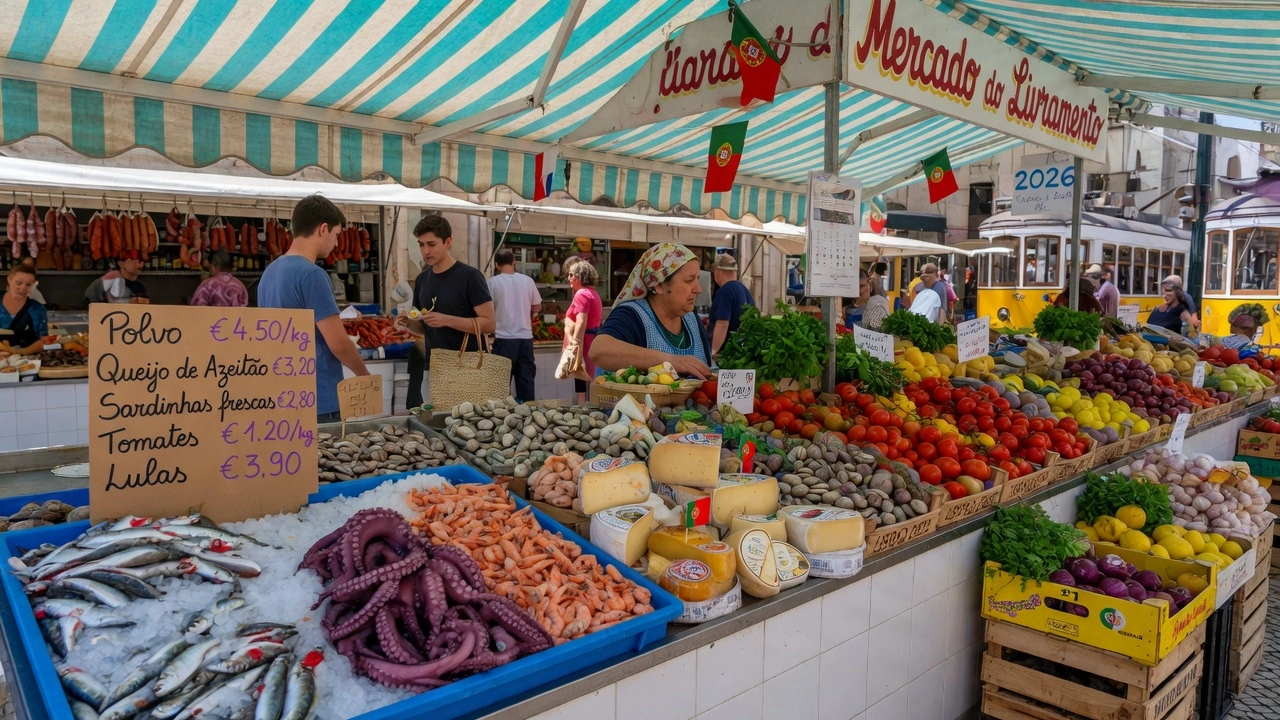
- Hit up local markets for fresh picnic lunches.
- Grab affordable street food—think gyros in Greece or zapiekanka in Poland.
- Cook your own meals in hostel kitchens (most have free facilities).
- Supermarket meals can easily stay under $10 per day.
Free & Low-Cost Activities That Feel Luxurious in Europe
You don’t need to spend a fortune to have an amazing experience. Here are the best free and cheap activities that still feel high-end:
- Free walking tours (tip-based only)
- Museum free days (usually the first Sunday of the month)
- Hiking in national parks
- People-watching in stunning piazzas and plazas
- Free public beaches in Albania and Croatia
Money-Saving Hacks Every 2026 Traveler Needs
- Get a no-foreign-transaction-fee credit card — Chase Sapphire Preferred or Capital One Venture are excellent choices.
- Download these essential apps: Rome2Rio (for routes), Citymapper (for city transit), Wise (for cheap money transfers), and Too Good To Go (for heavily discounted food).
- Carry a reusable water bottle — tap water is safe to drink in most European countries.
- Book attractions and tickets online in advance for skip-the-line access and big discounts.
- Try house-sitting or Workaway programs for completely free accommodation.
Smart Packing Tips for Budget Travel in Europe in 2026
Budget Travel light — stick to just one carry-on bag. This single rule can save you $50–$100 in baggage fees on budget airlines like Ryanair and Wizz Air.
Knowmore How to Stay Healthy While Traveling
Essential Packing List for Budget Travel
| Category | Must-Pack Items | Why It Saves Money |
|---|---|---|
| Clothing | Layers, versatile pieces, quick-dry fabrics | Fewer laundry stops and lower laundry costs |
| Tech & Electronics | Power bank, universal adapter, eSIM | Avoids expensive roaming charges and data fees |
| Documents | Printed photocopies of passport & important papers | No costly replacement fees if you lose originals |
| Health & Personal Care | Basic first-aid kit, reusable toiletries | Prevents overpriced airport and tourist shop purchases |
| Miscellaneous | Reusable shopping bag, luggage lock, earplugs | Adds comfort on long journeys and daily convenience |
Country-Specific Budget Tips for 2026
Here are some quick, real-world examples that show just how affordable Europe can be:
- Portugal: Hop on a vintage tram for just €3 and enjoy a fresh pastel de nata for only €1.
- Poland: Join a free walking tour of Kraków’s historic Old Town — it’s world-class and completely free.
- Albania: The stunning Riviera beaches rival Greece but cost nearly half the price.
Common Budget Mistakes (and How to Avoid Them)
- Never exchange cash at the airport — you’ll get terrible rates.
- Don’t eat at restaurants right next to major tourist sites.
- Don’t assume every “deal” is actually cheap without comparing prices first.
Plan ahead, compare options, and stay flexible — these small habits will save you hundreds of dollars.
Final Thoughts
Your 2026 Europe adventure starts today.
Budget travel in Europe isn’t about sacrifice — it’s about making smart choices. By following the advice in this guide, you can easily spend two or three unforgettable weeks exploring this incredible continent for less than what many people pay for a single night in a fancy hotel.
So grab your notebook, start mapping out your route, and get excited. Europe in 2026 is more affordable than you might imagine, and the adventure is waiting for you!
FAQ: Budget Travel Tips for Europe in 2026
What is the cheapest way to Budget Travel in Europe in 2026?
Buses (FlixBus), budget airlines (Ryanair, easyJet, Wizz Air), and hostels. Staying in Eastern Europe and mixing bases can easily keep your daily costs under $60.
How much money do I need per day for Budget Travel in Europe?
$40–$80 depending on the region. You can comfortably Budget Travel on $45–$60 per day in Eastern Europe and $70–$100 in Western Europe if you follow the smart tips in this guide.
Is the Eurail Pass worth it in 2026?
Yes, if you plan to take 8 or more trains. Otherwise, point-to-point tickets or buses are usually cheaper.
What are the cheapest countries to visit in Europe right now?
Bulgaria, Romania, Albania, North Macedonia, Poland, and Hungary are currently the best value destinations.
When is the best time for budget travel to Europe?
April–June or September–October. You get great weather, 20–40% lower prices, and fewer crowds.
Can I see Paris or London on a shoestring budget?
Yes, it is possible! Stay outside the city center, use public transport, eat at local markets, and focus on free attractions and walking tours.
Where can I find cheap flights from the USA to Europe?
Use Google Flights and its “Explore” map. Fly mid-week (Tuesday or Wednesday), stay flexible with dates, and choose secondary airports like Lisbon, Budapest, or Kraków instead of expensive hubs like Paris or London.
Are hostels safe and comfortable in 2026?
Most hostels are safe and comfortable if you choose wisely. Always read recent reviews and pick properties with ratings of 8.0 or higher on Hostelworld and Booking.com.
Should I get a Budget Travel credit card?
Yes, 100%. A no-foreign-transaction-fee card (such as the Chase Sapphire Preferred or Capital One Venture) can save you hundreds of dollars in fees and earn valuable Budget Travel rewards.
How can I eat cheap in Europe?
Shop at local supermarkets, enjoy street food, and look for “menu del día” (daily lunch specials) in Southern Europe. Cooking your own meals in hostel kitchens is another great money-saving trick.
Is public transport reliable in Europe?
Yes, public transport is very reliable, especially in cities. Download local transit apps for real-time schedules and easy navigation.
How much does a 2-week budget trip to Europe cost?
A realistic budget is $1,800–$2,800 per person (including flights from the USA) if you follow the smart tips in this guide.
Can solo female travelers visit Europe on a shoestring budget?
Absolutely yes! Hostels are generally very safe and social, especially those with high ratings. Stick to well-reviewed properties (8.0+ on Hostelworld), use common sense, and you’ll have a fantastic and affordable trip.
How do I avoid tourist traps and save money?
Eat and shop where the locals do. Avoid restaurants right next to major attractions, walk or use public transit instead of expensive tours, and always compare prices before buying anything.
What’s new for bBudget Travel in Europe in 2026?
More low-cost flight routes from airlines like Ryanair and Wizz Air, plus expanded city discount cards and new budget-friendly apps, are making it easier than ever to Budget Travel Europe without spending a fortune.

Michael James is an American travel writer and Europe visa specialist with 7+ years of experience helping U.S. citizens stay longer in Europe. Through real conversations with digital nomads, retirees, and expat families, he delivers clear, no-fluff guides on the latest 2026 Schengen rules, ETIAS, and the best long-stay visas. Follow his practical advice at TravelTipHub.